
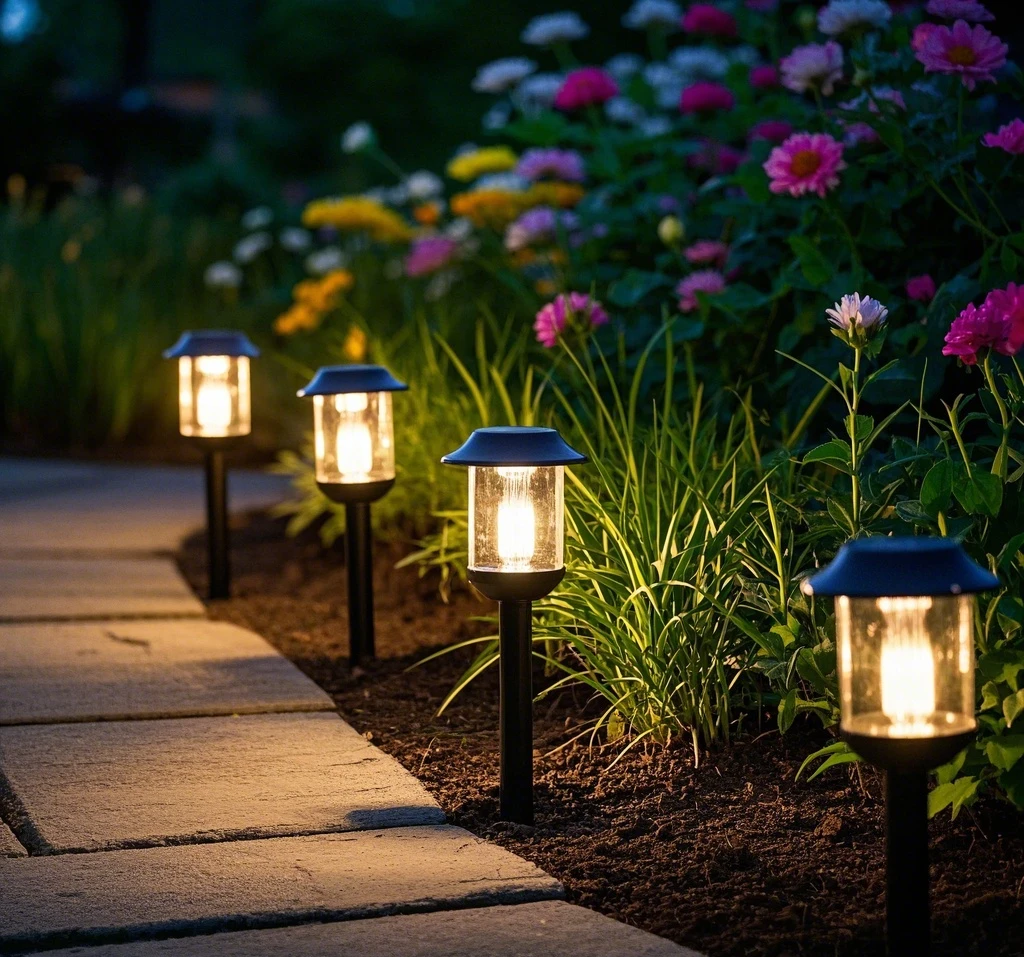
Solar lights are a fantastic eco-friendly option for outdoor lighting, but many users notice they don’t perform as expected when placed under trees or in perpetually cloudy areas. The issue boils down to how solar panels function in less-than-ideal conditions. This article dives into why solar lights dim in low-light environments, how partial shading affects them, whether “low-light charging” tech exists, and practical solutions to keep your lights glowing.
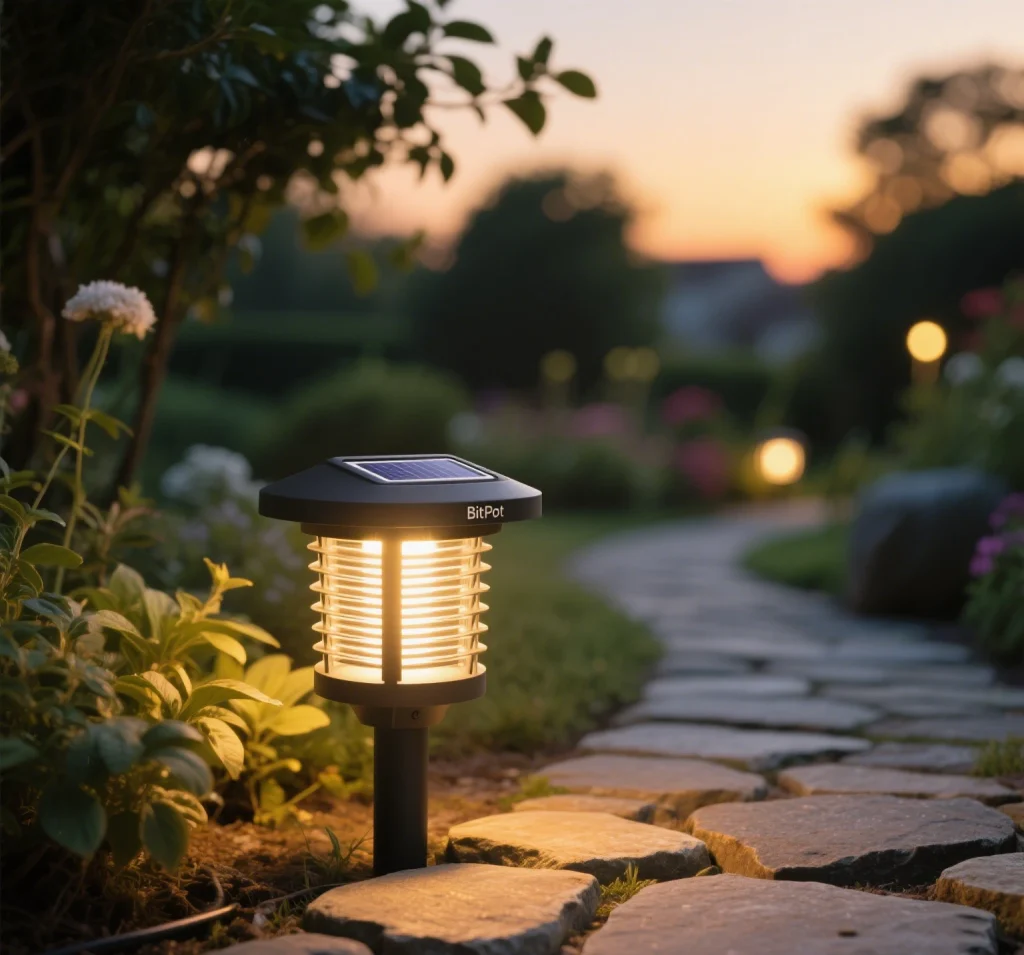
How Solar Panels Perform in Low Light
Solar panels rely on photovoltaic cells to convert sunlight into electricity, but their efficiency drops significantly in low-light conditions. On cloudy days or in shaded areas, the amount of sunlight hitting the panel is reduced, leading to less energy generation. For most solar lights, this means:
- Reduced charging capacity: A typical solar panel might produce only 20-30% of its rated output under heavy cloud cover.
- Slower battery recharge: Less sunlight translates to slower charging, which may not fully replenish the battery for nighttime use.
- Dimmer or shorter illumination: If the battery doesn’t charge fully, the light may dim or shut off earlier than expected.
For example, a solar light designed for 8 hours of nighttime use might only manage 2-3 hours if it’s been cloudy all day. This is a common frustration for users who expect consistent performance regardless of weather.
The Impact of Partial Shading
Partial shading—think tree branches, building shadows, or even dust buildup—can wreak havoc on a solar light’s performance. Even if just a small portion of the panel is shaded, the overall output can plummet. Here’s why:
- Series wiring in panels: Most solar panels in lights are wired in series, meaning a single shaded cell can bottleneck the entire panel’s output.
- Energy loss: Studies show that shading just 10% of a panel can cut power output by up to 50% in some cases.
- Long-term effects: Consistent shading may prevent the battery from reaching a full charge, reducing its lifespan over time.
Imagine a solar light under a tree where leaves cast dappled shadows. Even if 80% of the panel gets sunlight, the shaded portion drags down the whole system, leaving you with a flickering or weak light by evening.
Do “Low-Light Charging” Solar Lights Exist?
The idea of solar lights designed specifically for low-light conditions sounds appealing, but the reality is a bit more nuanced. Some manufacturers advertise “weak-light charging” or “high-efficiency” panels, but here’s what you need to know:
- Monocrystalline vs. polycrystalline panels: Monocrystalline panels, often used in premium solar lights, perform slightly better in low-light conditions due to their higher efficiency (up to 20% vs. 15% for polycrystalline).
- Amorphous silicon panels: These are sometimes marketed as “low-light friendly” because they can generate some power in diffuse light, like on cloudy days. However, their overall efficiency is lower, so the trade-off isn’t always worth it.
- Marketing vs. reality: Claims of “low-light charging” are often exaggerated. No solar panel can produce meaningful energy in near-darkness, like under dense tree cover or during heavy storms.
While technology is improving, don’t expect miracles. Solar lights still need decent sunlight exposure to function reliably.
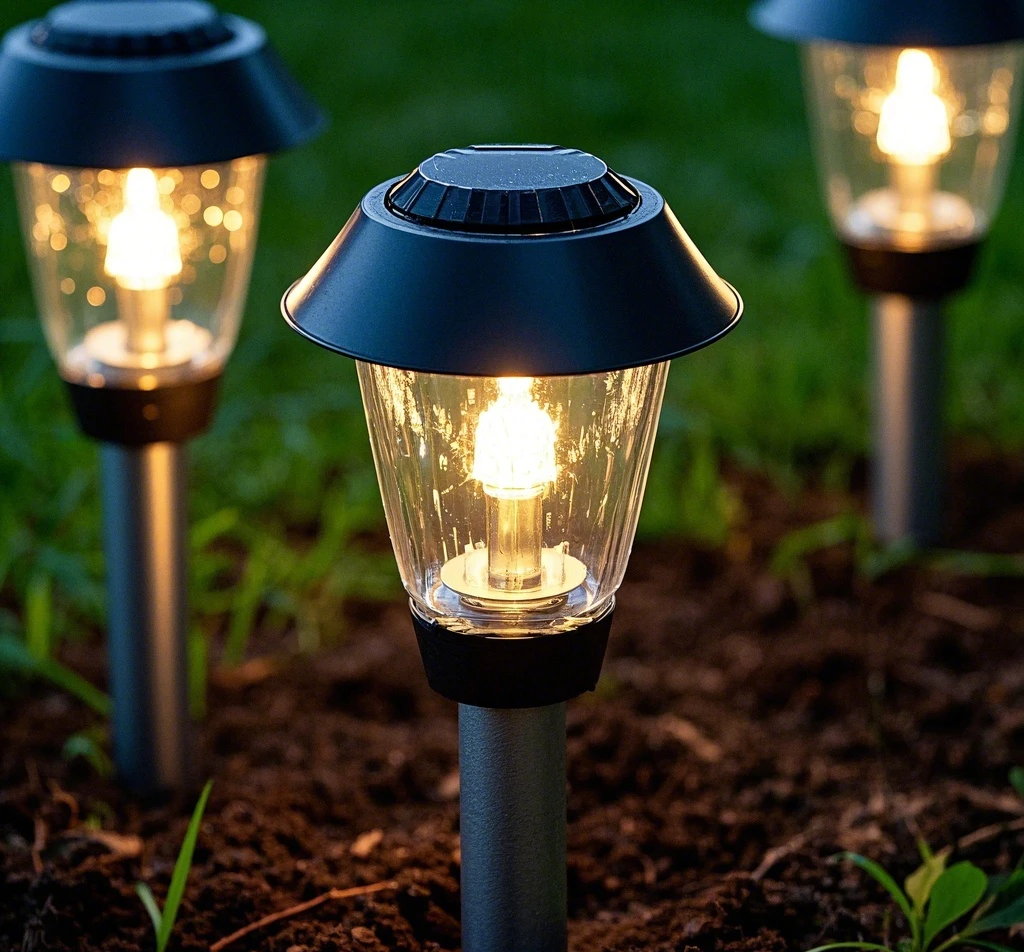
Solutions for Low-Light Environments
If your solar lights are underperforming due to shade or cloudy weather, there are practical ways to improve their performance without ditching solar altogether. Here are some actionable solutions:
- Relocate the solar panel:
- Move the light to an area with more direct sunlight, even if it’s just a few feet away. Many solar lights have detachable panels, allowing you to place the panel in a sunnier spot while keeping the light where you want it.
- Trim overhanging branches or clear debris to reduce shading.
- Choose lights with larger batteries:
- Look for solar lights with higher-capacity batteries (e.g., 2000mAh or more). These can store more energy, providing a buffer for cloudy days.
- Some models include a “power reserve” feature, which prioritizes storing energy over immediate use.
- Opt for adjustable or motion-sensor lights:
- Motion-sensor lights conserve energy by only activating when needed, stretching battery life in low-light conditions.
- Adjustable brightness settings let you balance light output with battery conservation.
- Supplement with external charging:
- Some solar lights come with USB charging options, allowing you to top up the battery on cloudy days.
- Consider hybrid models that can switch to grid power as a backup.
- Clean the panels regularly:
- Dust, pollen, or bird droppings can act like shade, reducing efficiency. A quick wipe with a damp cloth can make a big difference.
For example, if your garden light is under a tree, try mounting the solar panel on a nearby fence that gets more sun. This small tweak can significantly boost charging efficiency.
Choosing the Right Solar Light for Your Environment
When shopping for solar lights, consider your specific environment to avoid low-light woes. Here’s a quick checklist:
- Check panel type: Monocrystalline panels are generally better for areas with variable light.
- Look at battery specs: Higher mAh ratings mean more stored energy for cloudy days.
- Prioritize flexibility: Lights with detachable panels or adjustable mounts offer more placement options.
- Read reviews carefully: Look for user feedback from people in similar climates or shaded areas.
Spending a bit more on a quality light with a robust battery and efficient panel can save you headaches in the long run.
Conclusion: Placement Is Everything
Solar lights can still charge in low-light conditions, but their efficiency takes a noticeable hit. Partial shading from trees or buildings can drastically reduce output, and while some panels perform better in diffuse light, no solar light thrives in deep shade. By choosing the right light, optimizing its placement, and maintaining the panel, you can maximize performance even in less-than-ideal conditions. The key is to prioritize sunlight exposure—whether by moving the light, trimming branches, or picking a model with a larger battery. With a little planning, your solar lights can keep shining bright, no matter the weather.
Leave a Reply