
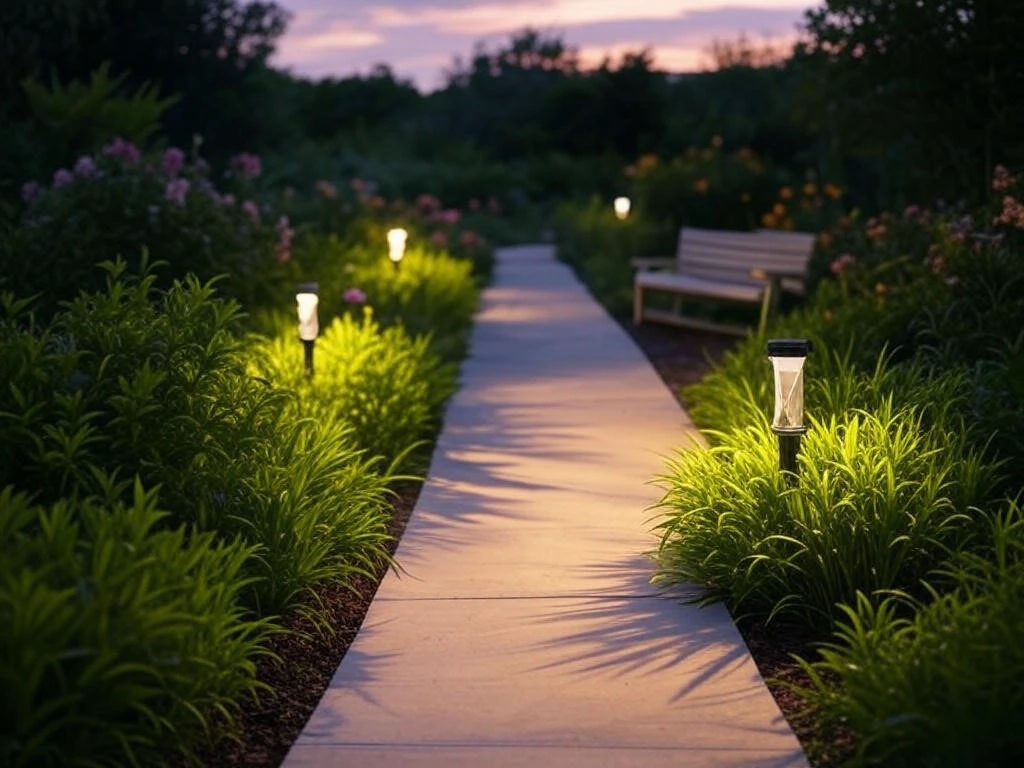
Solar garden lights have become a popular choice for homeowners seeking eco-friendly lighting solutions to illuminate pathways, patios, and gardens. These lights harness solar energy to provide a sustainable and cost-effective alternative to traditional electric lighting. However, many users find that their solar garden lights fail to last as long as expected, often dimming or malfunctioning within a year or two. This article explores the reasons behind the short lifespan of solar garden lights, offers insights into their maintenance, and provides practical tips to extend their durability.
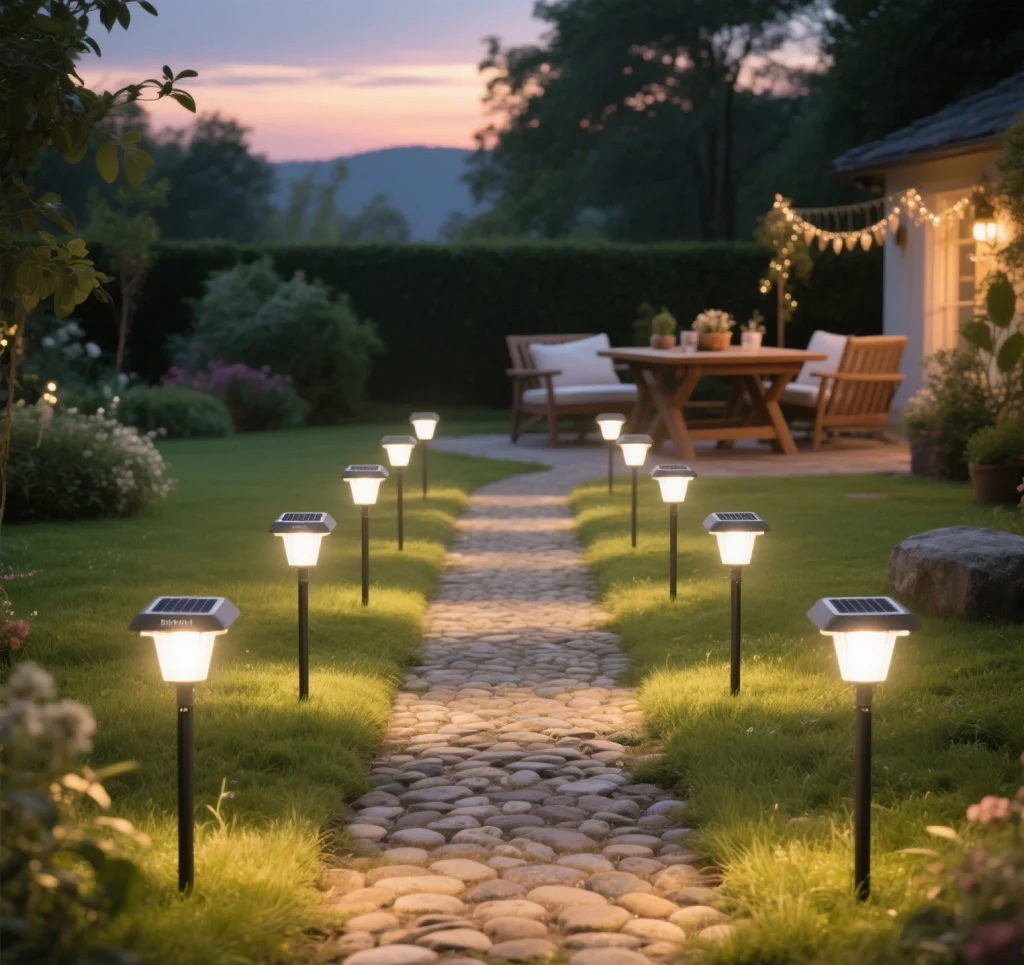
Understanding the Components of Solar Garden Lights
To grasp why solar garden lights may not last long, it’s essential to understand their core components. A typical solar-powered light consists of a solar panel, a rechargeable battery, an LED light source, a controller, and the physical lamp housing. Each component plays a critical role in the light’s performance, and issues with any one of them can significantly reduce the overall lifespan of solar lights.
The solar panel converts sunlight into electricity, which is stored in the rechargeable battery for nighttime use. The LED light source provides illumination, while the controller manages the charging and discharging process. The lamp housing protects these components from environmental factors. If any of these parts are of poor quality or improperly maintained, the light’s functionality suffers.
Common Reasons for Short Lifespan
1. Poor-Quality Components
One of the primary reasons solar garden lights fail prematurely is the use of low-quality components. Many budget-friendly solar lights are manufactured with substandard solar panels, batteries, or LEDs to keep costs low. For instance, low-grade solar panels may have inefficient photovoltaic cells, reducing their ability to capture solar energy effectively. Similarly, cheap rechargeable batteries often have limited capacity and degrade quickly after repeated charge-discharge cycles.
According to industry insights, LED light sources in high-quality solar garden lights can last up to 50,000 hours, roughly translating to 10 years of normal use. However, in low-cost models, the LEDs may burn out much sooner due to inferior materials or lack of proper heat dissipation.
2. Battery Degradation
The rechargeable battery is often the weakest link in solar garden lights. Most solar lights use nickel-metal hydride (NiMH) or lithium-ion batteries, which have a finite number of charge cycles, typically ranging from 500 to 1,000 cycles. If a light is charged and discharged daily, the battery may last only 1-3 years before its capacity significantly diminishes.
Battery performance is also affected by environmental factors. Exposure to extreme temperatures—whether scorching heat or freezing cold—can accelerate battery degradation. For example, in regions with harsh winters, solar light batteries may struggle to hold a charge, leading to dim or non-functional lights.
3. Environmental Wear and Tear
Solar garden lights are exposed to the elements year-round, making weather resistance a critical factor in their durability. Rain, snow, dust, and UV radiation can damage the lamp housing or cause corrosion in internal components. Poorly sealed units may allow water to seep into the solar panel or battery compartment, leading to short circuits or rust.
Additionally, solar panels can become less efficient if covered by dirt, leaves, or snow, reducing their ability to charge the battery. In coastal areas, salty air can corrode metal parts, further shortening the lifespan of solar lights. Investing in lights with IP65 or higher waterproof ratings can mitigate these issues, but many budget models lack adequate protection.
4. Insufficient Sunlight Exposure
The performance of solar garden lights depends heavily on their access to solar energy. If lights are installed in shaded areas, under trees, or in regions with limited sunlight, the solar panel may not generate enough electricity to fully charge the battery. Over time, consistent undercharging can strain the battery, reducing its lifespan. For optimal performance, solar lights should be placed in areas receiving at least 6-8 hours of direct sunlight daily.
5. Inadequate Controller Performance
The controller in a solar garden light regulates the flow of electricity between the solar panel, battery, and LED light. A faulty or low-quality controller may overcharge or undercharge the battery, leading to premature failure. Advanced controllers include features like overcharge protection and temperature compensation, which enhance the lifespan of solar lights by optimizing battery health. Unfortunately, many inexpensive models lack these features, contributing to their short lifespan.
Factors Influencing Solar Garden Light Durability
Beyond component quality, several external factors affect the durability of solar lights. These include:
- Installation Location: Placing solar garden lights in areas with heavy foot traffic or near lawnmowers increases the risk of physical damage. Choosing sturdy lamp housing materials, such as stainless steel or high-grade plastic, can improve resilience.
- Usage Patterns: Lights that remain on for extended periods or are used in high-brightness modes drain the battery faster, accelerating wear.
- Maintenance Practices: Neglecting regular cleaning of the solar panel or failing to replace worn-out batteries can significantly reduce the lifespan of solar lights.

How to Extend the Lifespan of Solar Garden Lights
To maximize the durability of solar lights, consider the following practical tips:
1. Choose High-Quality Products
Investing in solar garden lights from reputable manufacturers ensures better component quality. Look for lights with monocrystalline solar panels, which are more efficient than polycrystalline alternatives. Opt for lithium-ion batteries over NiMH for longer lifespan and better performance in varying temperatures. Check for IP65 waterproof ratings or higher to ensure weather resistance. Reading customer reviews and checking warranty periods can also guide you toward reliable products.
2. Regular Maintenance
Proper maintenance is key to extending the lifespan of solar lights. Clean the solar panel every few months to remove dirt, dust, or debris that may block sunlight. Use a soft cloth and mild detergent to avoid scratching the panel. Inspect the lamp housing for cracks or water ingress and replace any damaged components promptly. In winter, store lights indoors if they are not designed for cold weather to prevent battery degradation.
3. Optimize Placement
Position solar garden lights in areas with maximum sunlight exposure. Avoid locations under trees, awnings, or buildings that cast shadows. If possible, use adjustable solar panels to angle them toward the sun for optimal solar energy capture. For portable lights, move them seasonally to account for changes in sunlight patterns.
4. Replace Batteries When Needed
If your solar garden light dims or fails to stay on, the rechargeable battery may need replacement. Many lights allow for easy battery swaps, using standard sizes like AA or AAA NiMH batteries. Always replace with high-quality batteries from trusted brands to ensure compatibility and longevity.
5. Use Energy-Saving Features
Some solar garden lights come with motion sensors or dimmable settings, which reduce battery strain by activating the light only when needed. These features can significantly extend the lifespan of solar lights by minimizing daily power consumption.
The Role of Technology Advancements
Recent advancements in solar technology are addressing many of the issues that limit the lifespan of solar lights. For instance, newer monocrystalline solar panels offer higher efficiency, even in low-light conditions. Lithium-ion batteries with advanced battery management systems (BMS) are becoming standard, providing better overcharge protection and longer cycle life. Additionally, smart controllers with IoT integration allow users to monitor and optimize light performance remotely, further enhancing durability of solar lights.
Environmental and Economic Benefits
Despite their challenges, solar garden lights remain an eco-friendly lighting option. They reduce reliance on grid electricity, lower carbon footprints, and eliminate the need for complex wiring. By addressing the factors that shorten their lifespan, users can enjoy both environmental and economic benefits. High-quality solar lights may have a higher upfront cost but offer better return on investment through extended durability and reduced maintenance needs.
Conclusion
The short lifespan of solar garden lights often stems from poor-quality components, battery degradation, environmental wear, insufficient sunlight, and inadequate controllers. By choosing high-quality products, maintaining them regularly, and optimizing their placement, users can significantly extend the lifespan of solar lights. As solar technology continues to evolve, we can expect even more durable and efficient solar garden lights in the future, making them a reliable choice for eco-friendly lighting. With proper care and informed purchasing decisions, your solar-powered lights can illuminate your garden for years to come.
Leave a Reply