
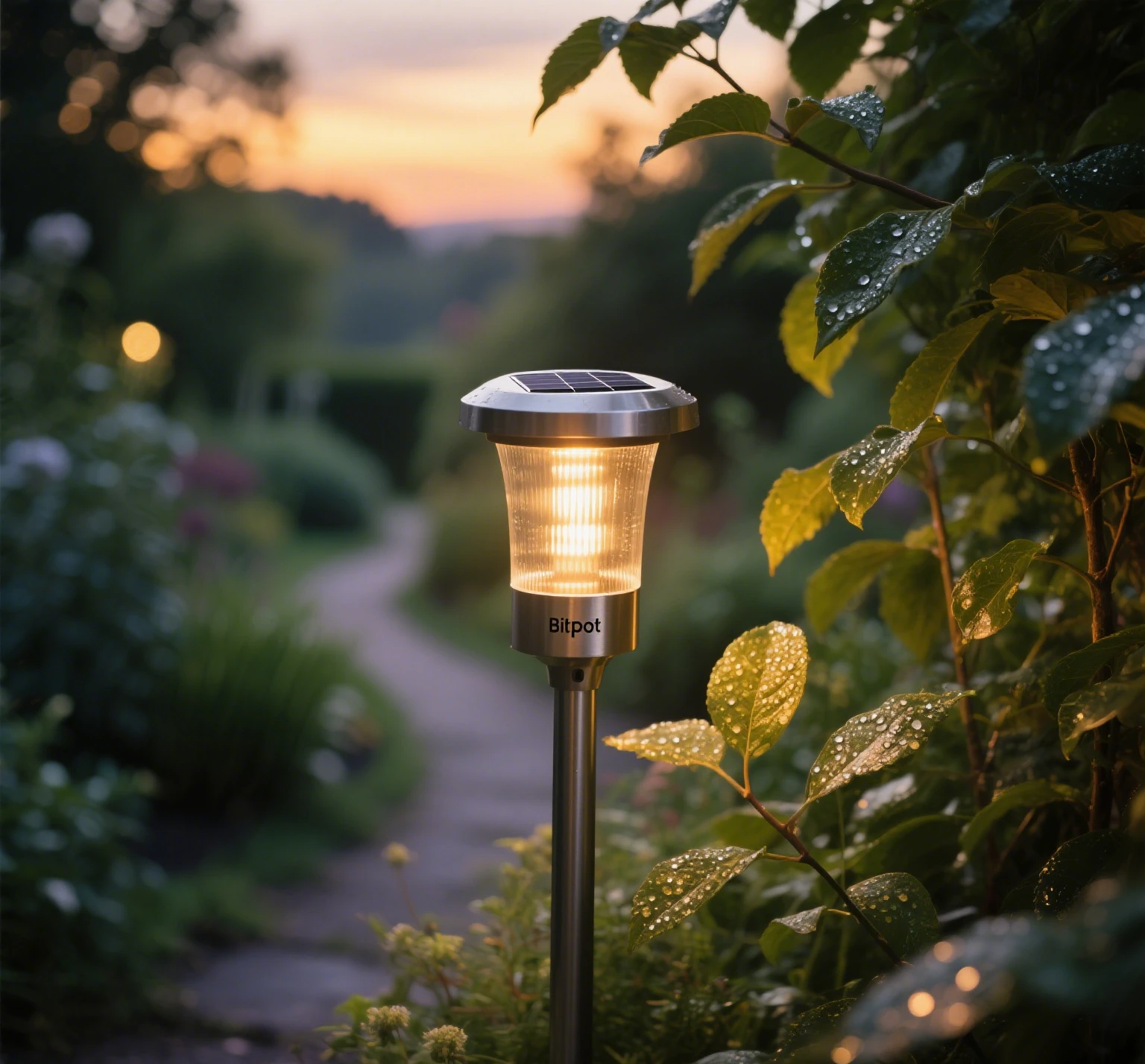
Most folks in the U.S. know solar lights soak up sunlight to glow at night, but that’s where the knowledge often stops. Dig a little deeper, and you’ll see why falling for flashy specs like “super bright lumens” can lead to a dud purchase. The magic of solar lights lies in how they convert and store energy, and that’s shaped by where you live—think Arizona’s blazing sun versus Seattle’s cloudy gloom. By getting the science behind photovoltaic conversion, storage, and discharge, you can dodge overhyped products and pick lights that actually work for your yard. Let’s break it down.
How Solar Lights Work: The Energy Conversion Breakdown
At their core, solar lights turn sunlight into electricity through a few key parts working together. Understanding these helps you spot quality and avoid gimmicks.
- Photovoltaic (PV) panels: These use the photovoltaic effect—silicon atoms absorb sunlight, freeing electrons to create a current via a PN junction. In the U.S., monocrystalline panels (18-22% efficiency) shine in low-light areas like New York or Boston, while polycrystalline panels (15-17%) are cost-effective in sunny spots like Texas or Arizona.
- Storage Batteries: Lithium batteries store the energy for nighttime use. A charge controller prevents overcharging in hot climates (like California’s 40°C+ summers) and over-discharging in cold ones (like Minnesota’s -30°C winters).
- LED Lighting: LEDs convert 80% of electricity into light (way better than incandescent bulbs’ 5%). Lumens aren’t everything—check color temperature (3000K warm for cozy patios, 5000K cool for security) and light efficacy (≥100lm/W for efficiency, with ENERGY STAR models hitting 110lm/W).
For example, a good solar light might pair a 20% efficient monocrystalline panel with a 2000mAh battery and 120lm/W LEDs, ensuring bright, lasting light without wasting energy.
Regional Impacts: Tailoring Solar Lights to Your U.S. Location
Where you live changes how well solar lights perform. Sunlight and temperature vary wildly across the U.S., and picking the right setup means factoring that in.
- Sunlight Availability: Per the National Renewable Energy Laboratory (NREL), Arizona gets 5.5-6 hours of peak sun daily, generating ~1.2kWh to power a 200-lumen yard light for 12 hours. In Washington State, with just 2.5-3 hours, you’ll need high-efficiency stacked PV panels (up to 32%) and a beefy battery (≥10000mAh) for 6 hours of light.
- Temperature Effects: High heat (California summers) cuts PV efficiency by 0.4% per 1°C above 25°C, so look for panels with heat-dissipating backplates. Cold (Minnesota winters) can slash battery capacity by 30% at -20°C—opt for low-temperature lithium batteries and bury them 5cm underground for insulation.
- Regional Picks: In sunny states, polycrystalline panels save cash without losing much output. In cloudy regions, splurge on monocrystalline or stacked panels for better energy capture.
I’ve seen folks in Seattle rave on X about high-capacity battery setups keeping their lights on through gloomy weeks, while Texans stick to budget-friendly polycrystalline models for reliable glow.
Busting Common Myths About Solar Lights
Misconceptions can steer you toward bad buys. Let’s clear up a couple of big ones.
- “No sun, no light”: Cloudy days don’t kill solar lights. Diffuse light still generates power, just at ~50% efficiency. A decent battery (like 3000mAh) can store enough for basic lighting, even after a few overcast days.
- “Bigger panels are better”: Not always. Oversized panels waste space in small yards. Flexible, foldable PV panels that stick to walls work great for compact setups without sacrificing power.
- “Lumens = quality”: A 1000-lumen light sounds great but might drain fast or glare harshly. Focus on efficacy (lm/W) and color temp for balanced performance.
Checking product specs for battery size and panel type, not just lumens, saves you from lights that fizzle out too soon.
Practical Tips for Smarter Solar Light Choices
Knowing the tech is half the battle—here’s how to apply it when shopping.
- Match your climate: In high-sun states like Nevada, standard 15W panels with 2000mAh batteries do fine. In low-sun areas like Oregon, prioritize 20W+ monocrystalline panels and 4000mAh+ batteries.
- Check certifications: ENERGY STAR or UL-listed lights guarantee efficiency and safety. Look for ≥110lm/W and IP65 waterproofing for durability.
- Read real reviews: X posts often highlight which models survive storms or long winters. Search “solar light performance” for user tips from your region.
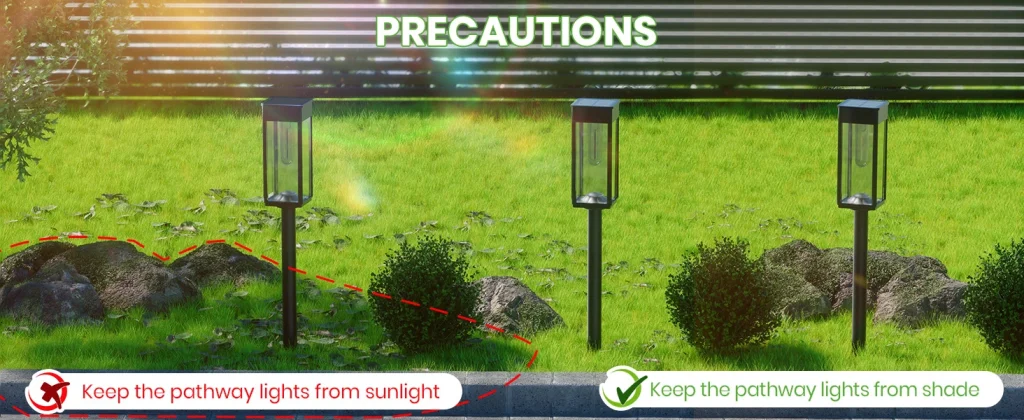
- Install smart: Place panels in direct sun, away from shade. For cold climates, insulate batteries by mounting them slightly below ground or in a sheltered box.
A friend in Minnesota swapped to low-temp batteries after their lights kept dying in January; now they get steady light even at -25°C.
Avoiding the Parameter Trap
Manufacturers love tossing around big numbers—2000 lumens! 50W panels!—but those don’t tell the whole story. A high-lumen light with a weak battery or inefficient panel will leave you in the dark by midnight. Compare: a Bitpott string light with 200 lumens and a 3000mAh battery often outlasts a 1000-lumen no-name spotlight with a 1200mAh cell. Cross-check specs like panel efficiency (≥18%), battery capacity (≥2000mAh), and light efficacy (≥100lm/W). Amazon reviews and X threads can flag brands that exaggerate or underdeliver.
Wrapping Up: Smarter Solar for Every Yard
Getting the science behind solar lights—from photovoltaic conversion to battery storage—helps you cut through marketing fluff. Whether you’re in sunny Arizona or cloudy Maine, picking the right panel, battery, and LED setup ensures your lights shine when you need them. Factor in your local sunlight and temps, skip the “biggest is best” mindset, and check real-world feedback. With this know-how, you’ll dodge duds and land solar lights that deliver reliable, eco-friendly glow for years. Your yard deserves it.
Leave a Reply