
Understanding Solar Outdoor Pathway Lighting
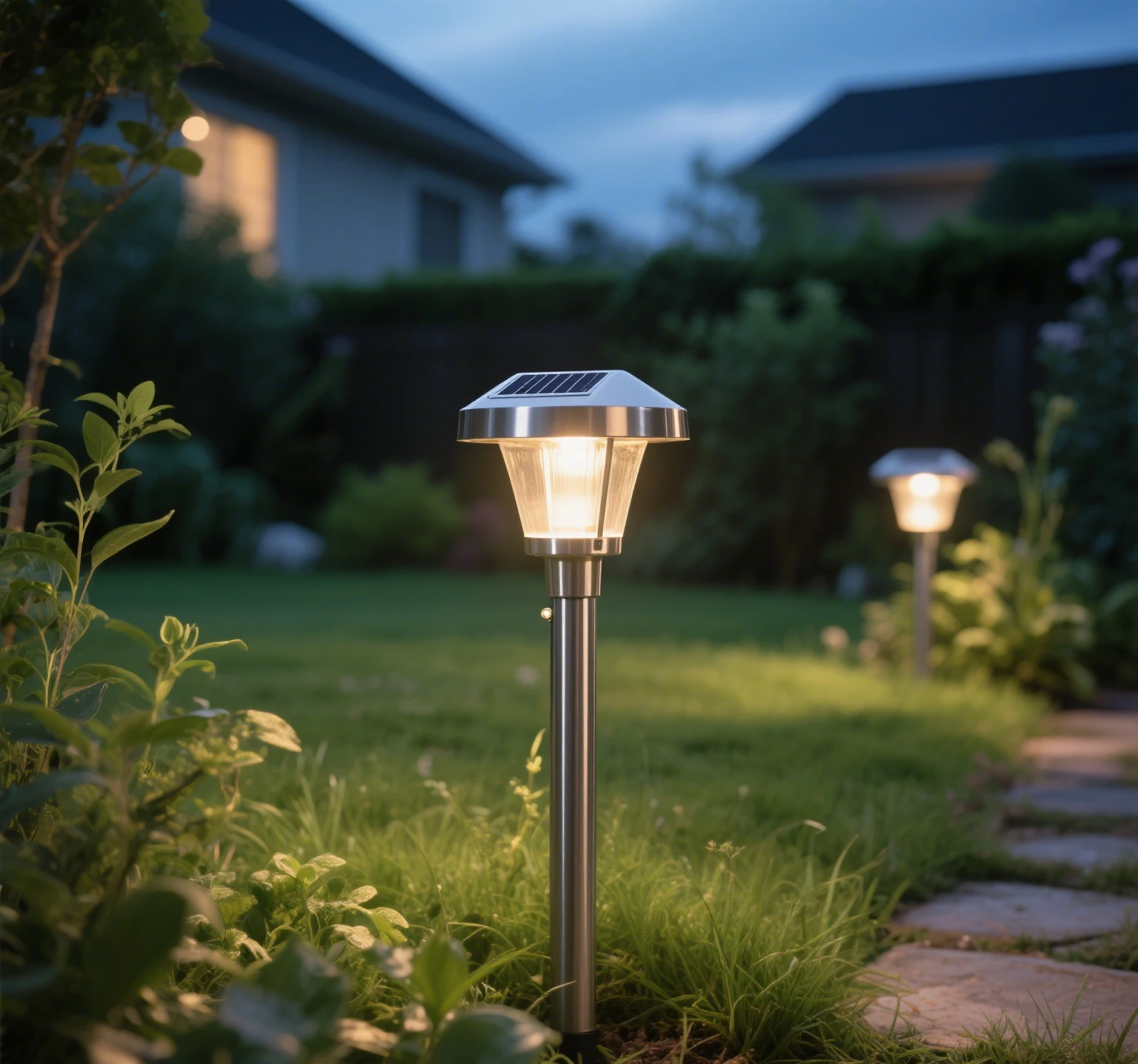
Solar outdoor pathway lighting transforms outdoor spaces by providing eco-friendly, reliable illumination for walkways, gardens, and trails. These lights harness sunlight through solar panels to charge built-in batteries, eliminating the need for electrical wiring or utility costs. Perfect for travelers, campers, and homeowners, solar outdoor pathway lighting enhances safety and aesthetics in settings like campsites, vacation homes, or remote trails. This comprehensive guide explores the features, components, usage tips, and selection criteria for solar outdoor pathway lighting, helping you create well-lit, sustainable outdoor experiences.

Core Functional Features of Solar Outdoor Pathway Lighting
Illumination Range and Brightness Characteristics
The effectiveness of solar outdoor pathway lighting lies in its ability to provide consistent, well-distributed light across pathways:
- Coverage Area: Most pathway lights illuminate a radius of 3-10 feet, depending on design and wattage. Stake-style lights cover smaller areas, while bollard or lantern-style lights offer wider coverage for broader paths.
- Brightness Levels: Measured in lumens, brightness ranges from 10-50 lumens for subtle ambiance to 100-200 lumens for functional lighting. A 100-lumen light, for instance, ensures safe navigation on garden paths.
- Light Color: Solar outdoor pathway lighting often uses warm white (2700-3000K) for a cozy feel or cool white (4000-5000K) for clearer visibility. Some models allow color adjustments for versatility.
- Beam Angle: Lights with adjustable or wide-angle beams (up to 120 degrees) ensure even light distribution, minimizing dark spots along paths.
Selecting the right brightness and coverage ensures solar outdoor pathway lighting meets your needs for safety or decoration.
Motion Sensing and Battery Life Performance
Advanced features enhance the functionality of solar outdoor pathway lighting:
- Motion Sensors: Many models feature passive infrared (PIR) sensors, activating lights within 10-20 feet when motion is detected. This conserves battery life and adds security for remote locations like campsites or vacation homes.
- Lighting Modes: Options include always-on, dim-to-bright (dims until motion is detected), and motion-only modes. Motion-only modes can extend battery life by up to 50%, per studies by the Lighting Research Center.
- Battery Runtime: Solar outdoor pathway lighting typically operates for 6-12 hours per charge, depending on battery capacity (600-2000 mAh) and sunlight exposure. High-capacity Li-ion batteries often provide longer runtime.
- Dusk-to-Dawn Sensors: These automatically turn lights on at night and off at dawn, simplifying operation for travelers.
These features make solar outdoor pathway lighting efficient and adaptable for various outdoor scenarios.
Core Components of Solar Outdoor Pathway Lighting
Characteristics of the Light Body Structure
The physical design of solar outdoor pathway lighting ensures durability and functionality:
- Materials: Common materials include weather-resistant stainless steel, aluminum, or durable plastics like ABS. These withstand rain, snow, and UV exposure, ideal for outdoor use.
- Design Types: Stake lights are easy to install in soft ground, while bollard or post lights suit permanent setups. Lantern-style lights add decorative flair to gardens or patios.
- Waterproof Rating: High-quality solar outdoor pathway lighting features IP65 or IP67 ratings, ensuring protection against water and dust, crucial for humid or rainy climates.
- LED Technology: Energy-efficient LEDs provide long-lasting illumination, with lifespans up to 50,000 hours, reducing the need for frequent replacements.
A robust, weather-resistant design ensures solar outdoor pathway lighting performs reliably in diverse environments.
Functionality of the Solar Power System
The solar power system is the backbone of solar outdoor pathway lighting:
- Solar Panel: Monocrystalline panels, known for high efficiency (15-20%), capture sunlight to charge batteries. Panels range from 0.5W to 2W, depending on light size.
- Rechargeable Battery: NiMH (600-1200 mAh) or Li-ion (800-2000 mAh) batteries store energy for nighttime use. Li-ion batteries offer longer lifespans and better performance in moderate climates.
- Charge Controller: This prevents overcharging or deep discharging, extending battery life, which is critical for long-term use in remote areas.
- Light Sensor: Integrated sensors enable automatic operation, turning lights on at dusk and off at dawn, simplifying use for travelers.
These components ensure solar outdoor pathway lighting delivers sustainable, reliable illumination.
Key Usage Tips for Solar Outdoor Pathway Lighting
Installation Location and Mounting Techniques
Proper installation maximizes the performance of solar outdoor pathway lighting:
- Sunlight Exposure: Position solar panels in areas with 6-8 hours of direct sunlight daily. Avoid shaded spots under trees or buildings to ensure efficient charging.
- Mounting Stability: For stake lights, insert deeply into firm soil to prevent tipping. Bollard or post lights may require concrete bases or screws for permanent setups.
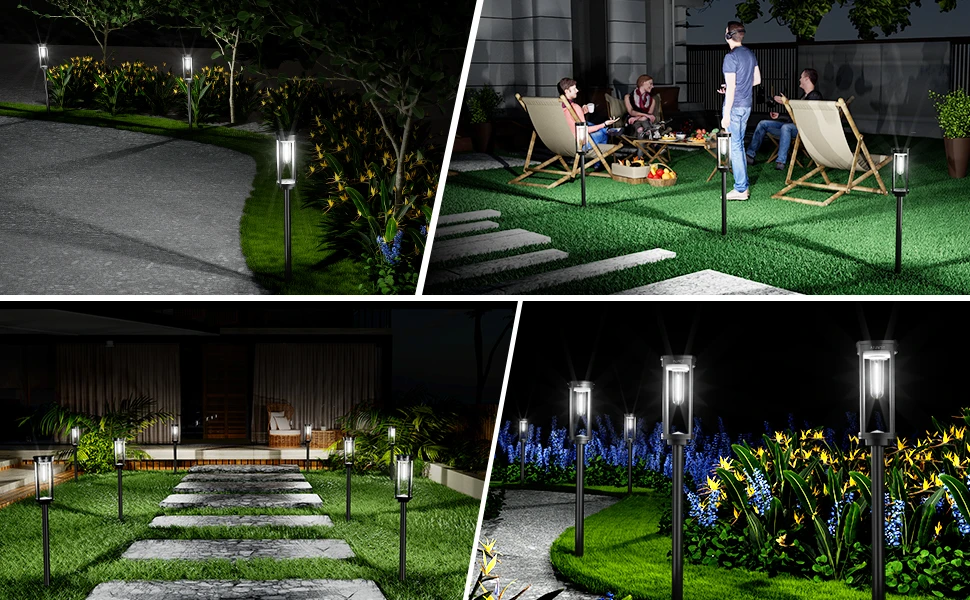
- Pathway Alignment: Space lights 6-10 feet apart for consistent illumination, ensuring no dark gaps. Align lights to follow the path’s natural curve for aesthetic appeal.
- Safety Considerations: Secure panels and lights to avoid wind displacement or tripping hazards, especially in high-traffic areas like campsites or garden paths.
Strategic placement enhances both safety and the visual impact of solar outdoor pathway lighting.
Lighting Angle Adjustment Methods
Optimizing light angles ensures effective illumination:
- Adjustable Heads: Many solar outdoor pathway lighting models feature pivoting heads, allowing users to tilt lights (up to 90 degrees) to focus on specific areas or avoid glare.
- Beam Direction: Angle lights downward to illuminate the path directly, reducing light pollution and enhancing visibility for safe navigation.
- Seasonal Adjustments: In winter, tilt solar panels to capture low-angle sunlight, ensuring consistent charging in low-sunlight regions.
- Testing and Tweaking: After installation, test lights at night to adjust angles for optimal coverage, ensuring even lighting across the pathway.
Proper angle adjustments make solar outdoor pathway lighting both functional and visually appealing.
Selecting and Using Solar Outdoor Pathway Lighting
Choosing and maintaining solar outdoor pathway lighting ensures long-term performance and value:
- Selection Criteria: Prioritize lights with high lumen output (100+ lumens for functional lighting), IP65+ waterproof ratings, and durable materials like stainless steel or ABS plastic. Opt for models with motion sensors or multiple modes for versatility.
- Battery Considerations: Choose Li-ion batteries for longer lifespan and better performance in moderate climates, or NiMH for colder environments. Check battery capacity for sufficient runtime.
- Maintenance Tips: Clean solar panels monthly with a soft, damp cloth to remove dust or debris. Inspect light bodies for corrosion or damage, especially after storms, and store lights in a cool, dry place during off-seasons.
- Troubleshooting: If lights fail to turn on, ensure panels receive enough sunlight or check battery connections. Dim lights may indicate a low charge or aging battery (replace after 1-2 years). For water damage, dry components and verify waterproof seals.
Solar outdoor pathway lighting is a game-changer for travelers and homeowners, offering sustainable, low-maintenance illumination for safe and beautiful outdoor spaces. Whether lighting a campsite trail or a vacation home walkway, these lights combine eco-friendliness with practicality. By selecting the right model, installing it strategically, and maintaining it properly, you can enjoy reliable, long-lasting solar outdoor pathway lighting that enhances every outdoor adventure.
Leave a Reply