
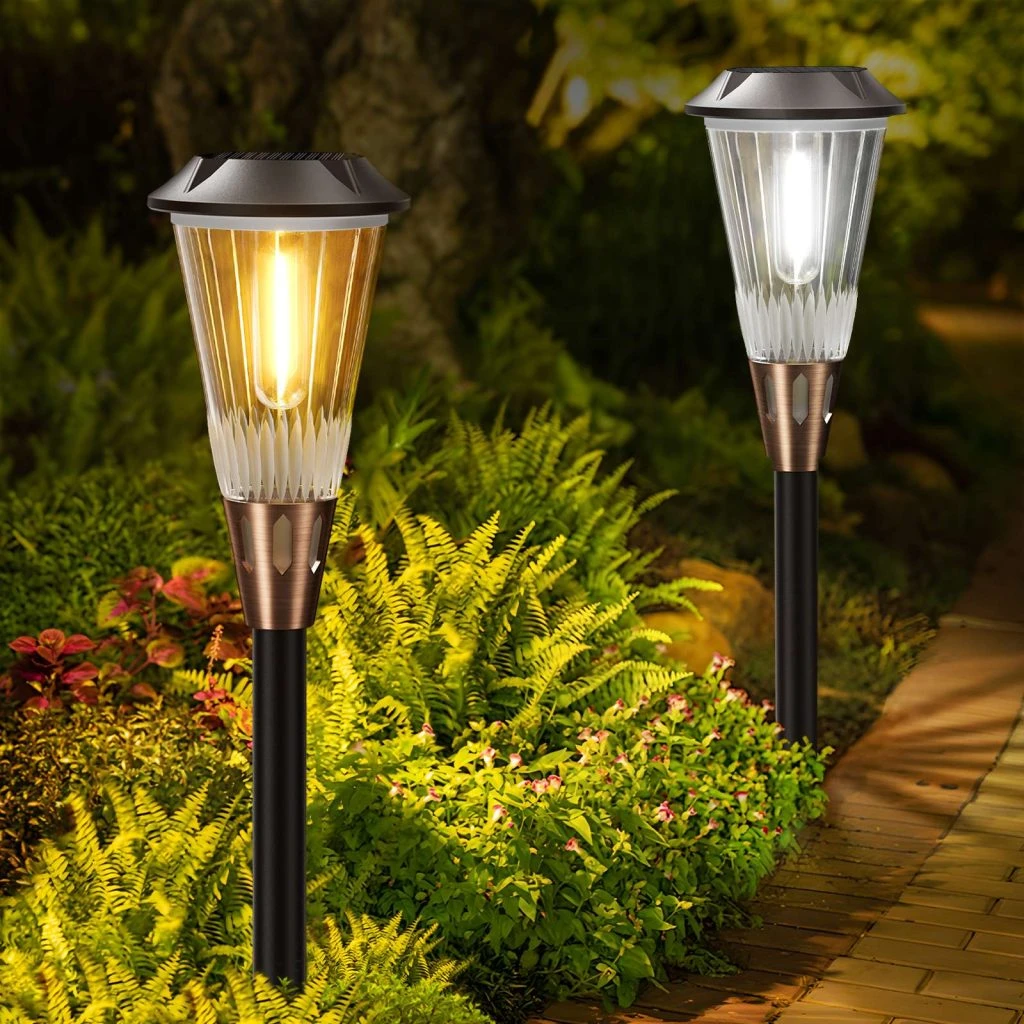
As global environmental awareness grows, people are rethinking how they power their lives. Green energy importance is no longer just a buzzword—it’s a call to action. Among the many clean energy options, solar energy as clean energy stands out, especially for home and public lighting preferred by eco-conscious households and communities. Solar-powered lights are popping up everywhere, from suburban backyards to city parks, offering a practical way to cut energy use while keeping spaces safe and inviting. This article explores how solar lighting works, its benefits, and where it’s headed, showing why it’s a cornerstone of a sustainable future.

How Solar Lights Work
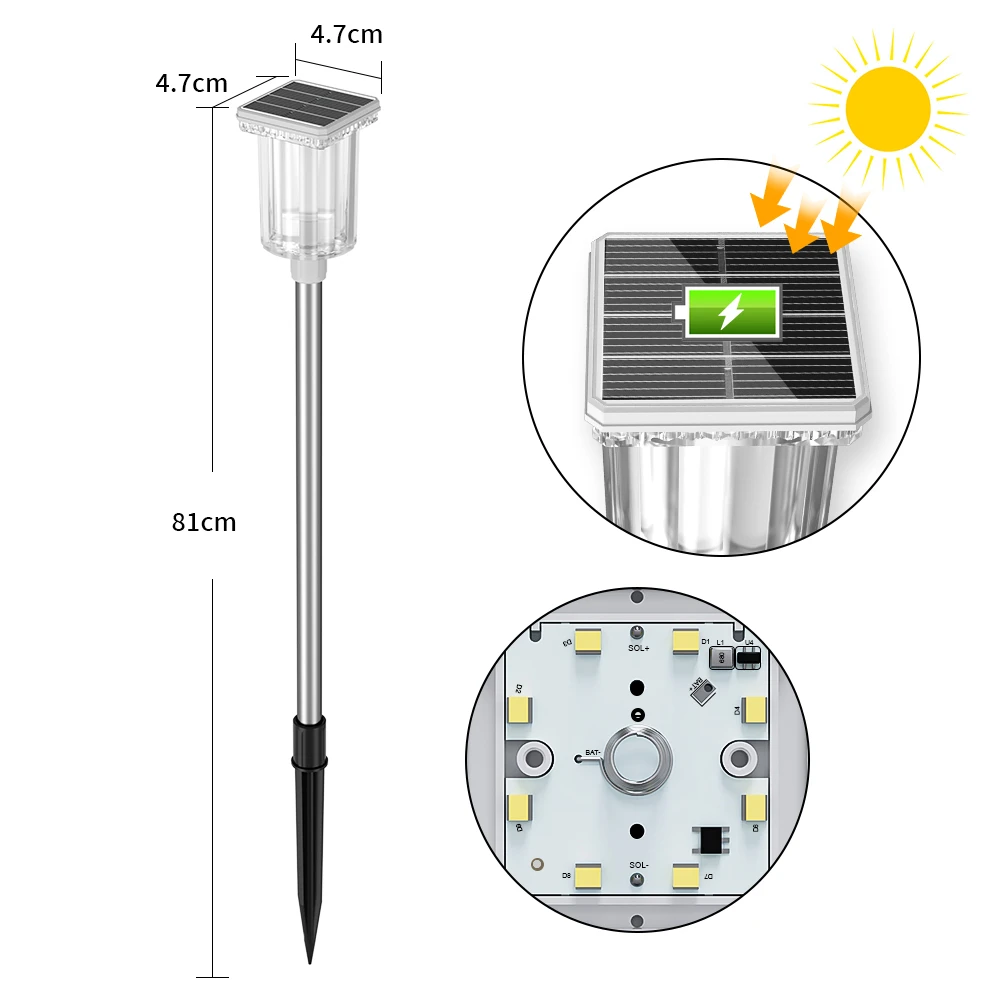
Solar lighting is elegantly simple yet technologically impressive. At its core, it relies on photovoltaic (PV) cells embedded in solar panels to harvest sunlight. Here’s how it comes together:
- Capturing Sunlight: Solar panels harvest sunlight during the day, with PV cells absorbing photons and generating an electric current. The more sunlight, the more energy produced.
- Conversion to Electrical Energy: The captured sunlight is converted into electricity through the photovoltaic effect. This process is clean, producing no emissions or waste.
- Energy Storage: The electricity is stored in rechargeable batteries, typically lithium-ion, for use at night. These batteries ensure lights stay on even after dark or during cloudy weather.
- Lighting Up: When darkness falls, the stored energy powers LED bulbs, which are energy-efficient and long-lasting, providing reliable illumination without a grid connection.
This wire-free, self-sustaining system makes solar lighting ideal for remote areas, gardens, or public spaces where traditional wiring is impractical or costly.
Why Solar Lighting Shines for Sustainability
Solar lighting isn’t just about brightening spaces—it’s about doing so responsibly. Its unique advantages make it a standout choice for anyone looking to reduce their environmental footprint. Here’s why:
- Reduced Carbon Emissions: Unlike fossil fuel-powered lights, solar lights produce zero emissions during operation. They rely entirely on renewable energy, cutting down on greenhouse gases.
- Energy Efficiency: Solar lights, especially those using LED technology, consume far less power than traditional bulbs. This means more light for less energy, maximizing efficiency.
- Sustainable Lighting: By harnessing the sun’s abundant and free energy, solar lights eliminate reliance on non-renewable sources, supporting long-term environmental health.
- Low Operating Costs: After the initial purchase, solar lights have minimal upkeep. No electricity bills, no wiring maintenance—just sunlight doing the heavy lifting.
These benefits add up to a compelling case for solar lighting in homes, businesses, and public spaces. Whether it’s a single garden light or a city-wide installation, the impact on both wallets and the planet is significant.
The Future of Solar Lighting
The solar lighting industry is evolving fast, driven by innovation and a push for greener solutions. Emerging trends promise to make solar lights even more efficient, durable, and versatile. Here’s what’s on the horizon:
- Higher-Efficiency Energy Conversion: Advances in photovoltaic technology are boosting the efficiency of solar panels. New materials, like perovskite-based cells, could soon capture more sunlight in smaller spaces.
- Longer-Lasting Battery Technology: Next-generation batteries, such as solid-state or advanced lithium-ion, are extending the lifespan and capacity of energy storage, ensuring lights stay powered through long nights or cloudy days.
- Improved Storage Solutions: Smarter energy management systems are being developed to optimize how energy is stored and used, reducing waste and enhancing performance.
- Smart Integration and AI Optimization: Solar lights are getting smarter with AI-driven controls. Think motion sensors that learn patterns or apps that adjust brightness based on weather forecasts, maximizing efficiency.
- Broader Deployment and Scalability: From rural villages to urban centers, solar lighting is scaling up. Modular designs and affordable production are making it easier to deploy across diverse settings, from off-grid communities to modern cities.
These advancements signal a future where solar lighting isn’t just an option but a standard, seamlessly integrated into our daily lives.
Solar Lighting’s Role in a Greener Tomorrow
Solar lighting’s environmental and energy-saving potential is undeniable. It’s more than just a practical choice—it’s a step toward a cleaner, more sustainable world. By slashing energy consumption and carbon emissions, solar lights play a vital role in global energy transition, helping shift societies away from fossil fuels. Their positive impact on sustainability and infrastructure is already visible, from rural areas gaining access to reliable lighting to cities reducing their energy grids’ strain.
The beauty of solar lighting lies in its accessibility. Homeowners can pop a solar light in their yard without an electrician. Communities can illuminate parks or streets without costly infrastructure. As technology advances—bringing higher efficiency, smarter systems, and broader reach—solar lighting will only grow in impact. It’s a small change with big ripple effects, proving that sustainable choices can be simple, affordable, and effective. Whether you’re lighting a driveway or a public square, solar energy is paving the way for a brighter, greener future.
Leave a Reply