
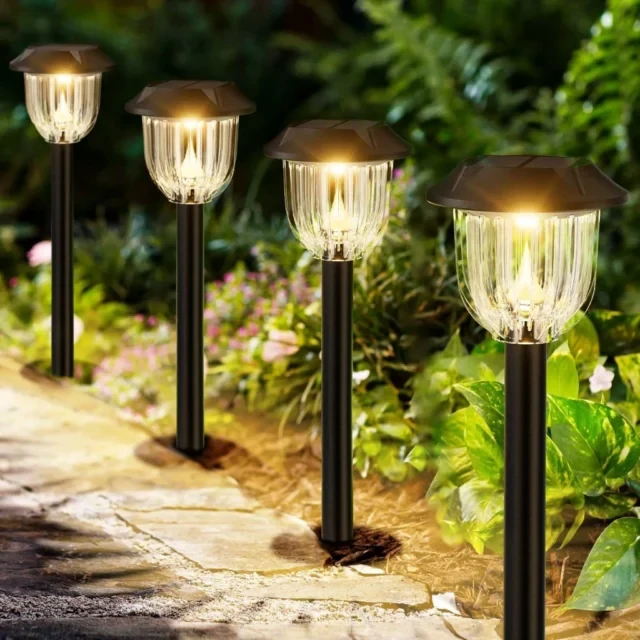
With the global push for carbon neutrality, green lighting is no longer just a buzzword—it’s a must for homes and communities aiming to cut emissions. Solar lights are a practical way to make that happen, but many folks hesitate, unsure how to pick or use them effectively. The result? Great eco-intentions stay stuck on the drawing board. This guide breaks down how solar lighting can transform your home and neighborhood into low-carbon zones, with actionable steps to swap out traditional lights for solar-powered ones, saving energy and money while keeping things simple.
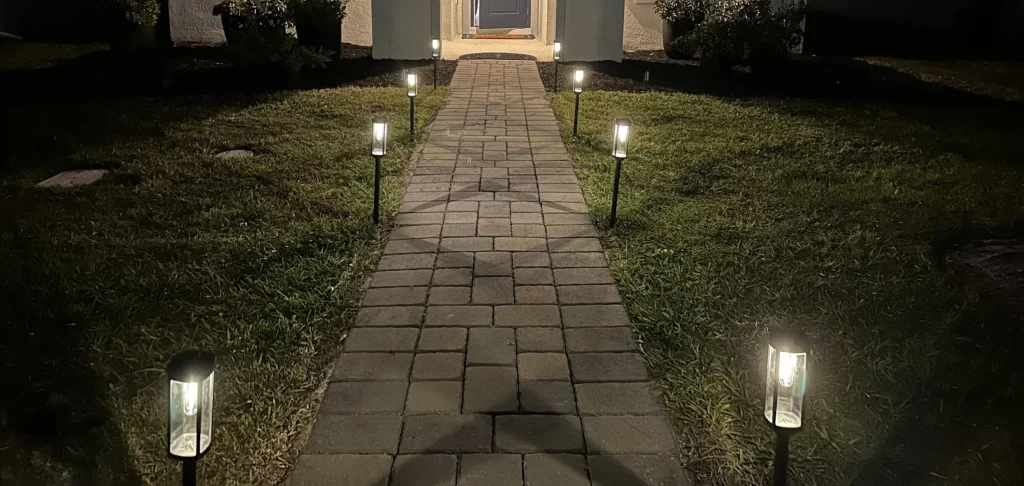
Swapping to Solar at Home: Easy Zero-Carbon Wins
Your home is the perfect place to start cutting carbon, and solar lights make it painless to replace energy-hungry fixtures. From your backyard to your balcony, here’s how solar options stack up against traditional lighting, with real savings to boot:
- Courtyard lights: Swap out plug-in yard lights for solar courtyard lights. A typical 60W traditional light burning 6 hours daily eats up about 120 kWh a year. Solar versions? Zero electricity cost. Brands like Brightech offer 600-lumen stake lights that charge in 6 hours of sun and glow all night.
- Wall lights for entryways: Ditch wired porch sconces for solar wall lights. No need to rewire or hire an electrician—just mount them on exterior walls. Models like Aootek’s motion-sensing lights deliver 800 lumens and install in minutes with screws or adhesive.
- Balcony string lights: Holiday or festive string lights often overload outlets or trip breakers. Solar string lights, like Bitpott’s 50-foot strands, run on sunlight, offering 12 hours of warm glow for parties without spiking your bill or risking outages.
These swaps aren’t just eco-friendly—they’re wallet-friendly too. A single solar courtyard light can save you $15–20 annually on electricity, based on average U.S. rates. Plus, with no wiring hassles, you’re up and running in an afternoon.
Community-Wide Solar: Linking Up for Zero Carbon
Beyond your doorstep, solar lighting can transform shared spaces like neighborhoods or apartment complexes, cutting public energy costs and boosting community spirit. Here’s how communities can go zero-carbon with strategic lighting choices:
- Pathway lights for walkways: Replace grid-powered street lamps with solar pathway lights along sidewalks or trails. A single 200-lumen solar light, like those from GIGALUMI, can illuminate 10–15 feet, slashing communal electricity bills by hundreds annually for a small complex.
- Spotlights for green spaces: Swap electric spotlights for solar spotlights to highlight trees or sculptures in community gardens. Adjustable models from SolarGlow cast 1,000-lumen beams up to 30 feet, enhancing aesthetics without adding to the grid load.
- Fence lights at entry points: Install solar fence lights near building entrances, synced with access systems for added security. Motion-sensing options from CLAONER turn on only when needed, reducing energy use while making late-night arrivals safer.
Residents can pitch in too—simple tasks like wiping down solar panels keep lights shining bright. This hands-on approach builds a shared sense of eco-responsibility, turning a neighborhood into a mini hub of sustainability. Some communities even report 20–30% drops in public lighting costs after switching to solar.
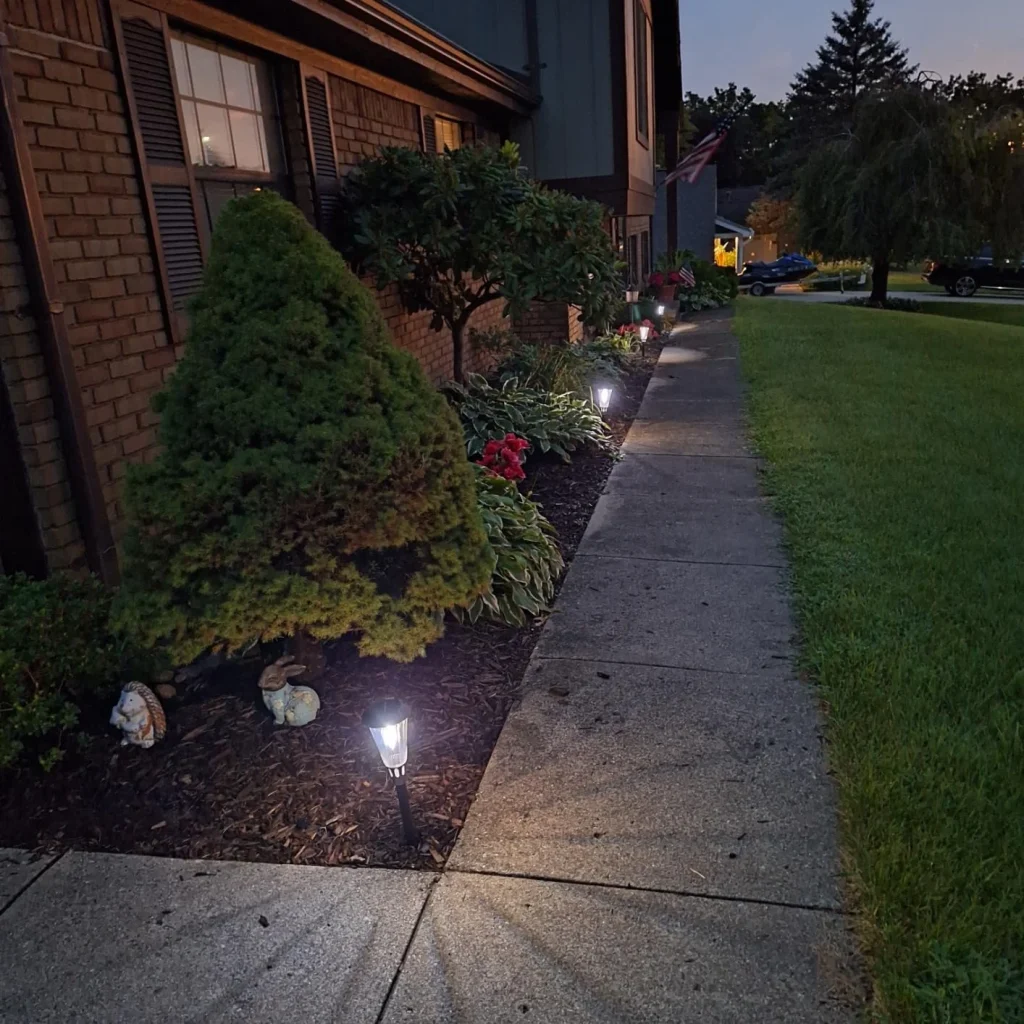
Why Solar Lights Are More Than Just Bulbs
Solar lighting isn’t just about swapping one bulb for another—it’s a bridge to a greener lifestyle, connecting individual efforts to community-wide impact. Each light you install is a step toward zero-carbon living, and the benefits add up fast:
- Low-cost, high-impact: Solar lights range from $15–50 per unit, with no ongoing electricity costs. Compare that to traditional lights, which can rack up $100+ yearly in power for a single household.
- Scalable solutions: Start with one light on your porch, then expand to your yard or community spaces. The modular nature of solar means you can grow your setup as budget allows.
- Sustainability in action: By cutting reliance on fossil-fuel-powered grids, solar lights directly support global “dual carbon” goals—reducing emissions and promoting renewable energy.
- Community vibe: Shared solar projects, like lighting a park or entrance, foster collaboration. Neighbors working together on installs or maintenance feel invested in their green future.
The tech behind these lights makes it all possible. High-efficiency solar panels (some hitting 22% conversion rates) and long-lasting lithium batteries (up to 1,500mAh) ensure reliable performance, even in cloudy climates. Motion and photocell sensors add smarts, so lights only run when needed, stretching battery life further.
Building a Greener Future, One Light at a Time
Solar lights are more than just a way to brighten your yard—they’re a practical, affordable tool for slashing carbon emissions and embracing a sustainable lifestyle. At home, swapping out traditional fixtures for solar courtyard lights, wall lights, or string lights cuts your energy use to zero without sacrificing style or convenience. In communities, solar pathway lights, spotlights, and fence lights reduce shared costs and boost safety, all while rallying neighbors around a greener cause.
The beauty of this approach is its simplicity. You don’t need a big budget or a PhD in engineering—just a few well-chosen solar lights and a sunny spot to place them. Over time, these small changes build a low-cost, sustainable system that supports both your wallet and the planet. So, next time you’re eyeing a new light for your porch or park, go solar. It’s a small step that lights up a big future.
Leave a Reply