
Hurricanes, wildfires, and other natural disasters hit the U.S. hard, often leaving temporary shelters—think tent camps or prefab housing—without power. No electricity means no lights, no charging, and a whole lot of chaos after dark. Traditional emergency lamps burn out fast or rely on scarce backup power, leaving folks scrambling. Solar emergency lights, with their portability and self-powered design, step in as a game-changer, offering quick-to-deploy solutions that keep camps safe and functional. Let’s break down how these lights can make a difference in crisis zones.
Lighting Up Public Areas in Relief Camps
When disaster strikes, relief camps become hubs for food, medical care, and coordination. Solar emergency lights can transform these shared spaces, making them safer and easier to navigate. Here’s how different types shine in public areas:
- Foldable Solar Garden Lights: Perfect for placing outside dining tents or medical stations. These compact, 50–100-lumen lights fold flat for transport and pop up to provide steady illumination for meal pickups or checkups, lasting 8–12 hours on a full charge.
- Long-Lasting Solar String Lights: Strung above tent pathways, these create a continuous light line to guide residents safely at night, reducing trips and falls. A single 20-meter strand with 200 lumens can glow for 10–14 hours, ideal for sprawling camps.
- High-Powered Solar Spotlights: Set up at command posts, these 500–1,000-lumen beasts cut through the dark, helping rescue teams coordinate logistics or manage crowds. Motion-sensor modes save battery, kicking on only when needed.
These solar-powered solutions deploy in minutes—no wiring, no generators—making them a go-to for lighting up critical zones in a pinch.
Personal and Family Needs in Crisis
For individuals and families in relief camps, having personal light sources is a must for daily tasks and peace of mind. Solar emergency lights tailored for personal use are portable, versatile, and often double as chargers. Here’s what works:
- Handheld Solar Lanterns: Lightweight, with a strap for easy carrying, these 20–50-lumen lights are handed out to families for navigating tents or checking supplies. High-capacity models (1,500 mAh batteries) last 15+ hours, perfect for late-night needs.
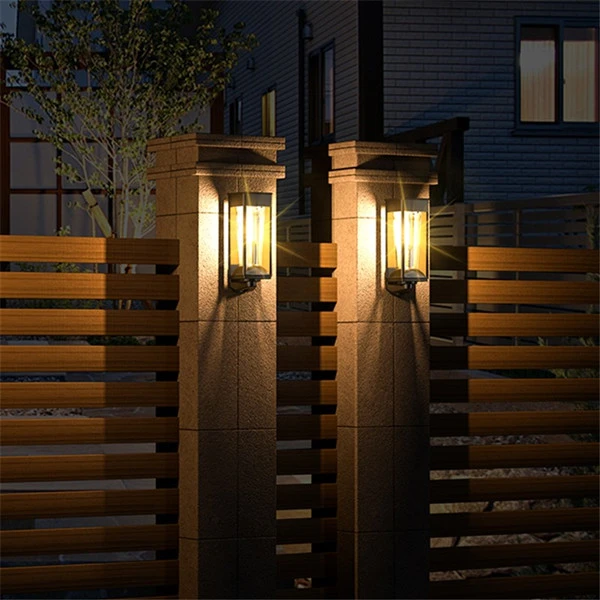
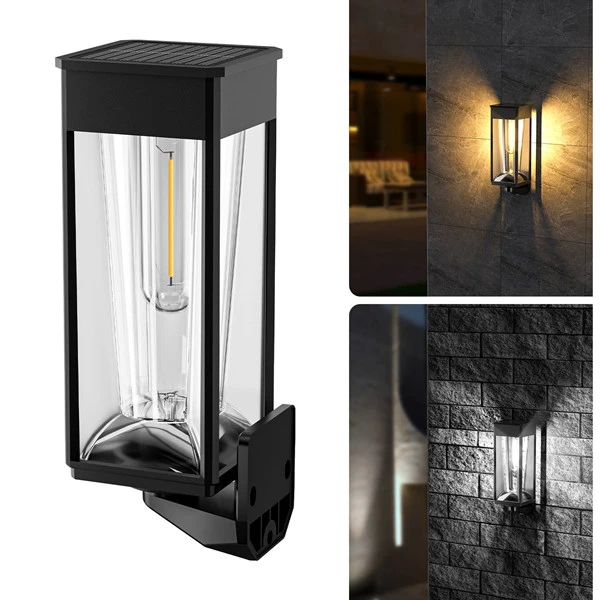
- Magnetic Solar Wall Lights: These stick to prefab shelter walls with magnets, casting 100–200 lumens to brighten doorways for safe entry or item storage. Their IP65 waterproofing handles rain, and they charge in 6–8 hours of sunlight.
- USB-Charging Solar Lights: Some models come with USB ports, letting residents charge phones or flashlights. A 2,000 mAh battery can juice up a smartphone once or twice while still powering a 50-lumen light for 10 hours.
These tools empower families to manage their own space and stay connected, tackling both lighting and communication challenges in powerless camps.
Why Solar Lights Excel in Disaster Zones
Solar emergency lights stand out because they’re built for tough conditions and don’t lean on unreliable grids. Here’s why they’re a perfect fit for relief camps:
- Self-Powered: No need for fuel or outlets—just sunlight. Even on cloudy days, efficient panels (20–25% conversion rates) grab enough energy for a night’s worth of light.
- Quick Setup: Most units are plug-and-play—stake them, hang them, or stick them on. Relief teams can light up a camp in hours, not days.
- Long Runtime: High-capacity lithium-ion batteries (1,000–3,000 mAh) deliver 8–15 hours of light, covering long nights without recharging.
- Portability: Foldable or lightweight designs make them easy to transport in bulk, critical for rapid disaster response.
Unlike gas lanterns or battery-powered lamps that fizzle out fast, solar lights keep going, night after night, as long as the sun rises.
Practical Tips for Deployment
To get the most out of solar emergency lights in relief camps, a little planning goes a long way. Here’s how to maximize their impact:
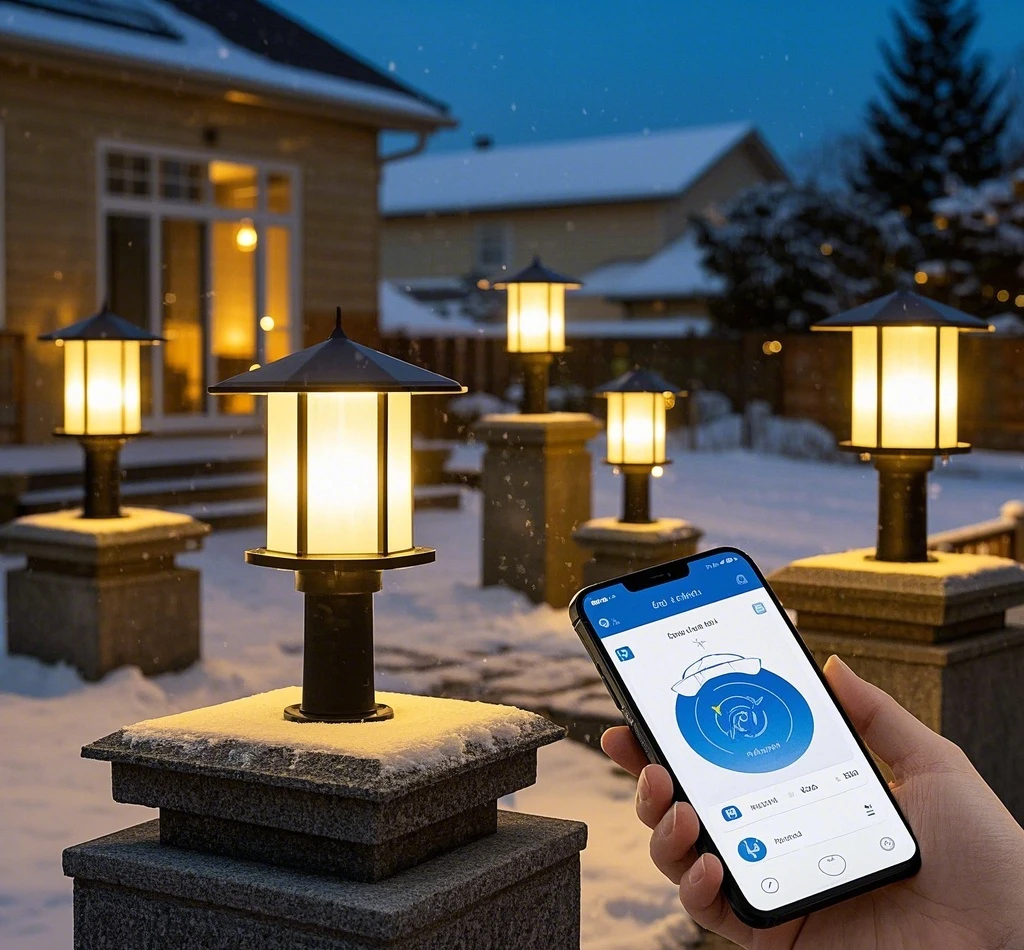
- Strategic Placement: Position garden lights and spotlights in high-traffic areas like medical tents or food lines, ensuring panels face south for maximum sun exposure.
- Prioritize Durability: Choose IP65 or higher-rated lights to withstand rain, wind, or dust—common in disaster zones.
- Distribute Evenly: Hand out handheld lanterns to every family or tent, ensuring no one’s left in the dark. One per household (about 20 lumens) is enough for basic tasks.
- Leverage USB Features: Stock charging-capable lights at central hubs like command posts to keep critical devices powered for coordination.
- Maintain Panels: Encourage teams to wipe down solar panels every few days to clear dust or debris, boosting charging efficiency.
These steps ensure solar-powered solutions deliver consistent light and power, even in chaotic post-disaster settings.
Overcoming Common Hurdles
Solar emergency lights aren’t flawless, but their challenges are manageable with the right approach:
- Cloudy Weather: Reduced sunlight can cut runtime to 4–6 hours. Opt for models with larger batteries (2,000 mAh+) or backup USB charging to bridge gaps.
- Initial Costs: Quality solar lights cost $10–$50 per unit, but their zero-fuel operation saves money over time compared to gas lanterns or generators.
- Storage Needs: Bulk transport requires space, but foldable designs and lightweight materials (under 1 lb per unit) make logistics easier.
- User Training: Some residents may not know how to use or position lights. Quick demos during distribution can solve this.
By anticipating these issues, relief teams can keep camps lit and functional without constant resupply.
Conclusion: A Brighter Path to Recovery
Solar emergency lights are a lifeline for disaster relief camps, filling the gap where power outages leave residents vulnerable. With foldable garden lights, string lights for pathways, and powerful spotlights for command posts, public areas stay safe and accessible. Handheld lanterns and magnetic wall lights give families independence, while USB-charging models keep phones alive for critical communication. These solar-powered solutions—quick to deploy, long-lasting, and self-sustaining—bring safety and comfort to chaotic settings. By lighting up tents, paths, and hubs, they help disaster-stricken communities take small but vital steps toward recovery, proving that even in the darkest times, a little sunlight can go a long way.
Leave a Reply