
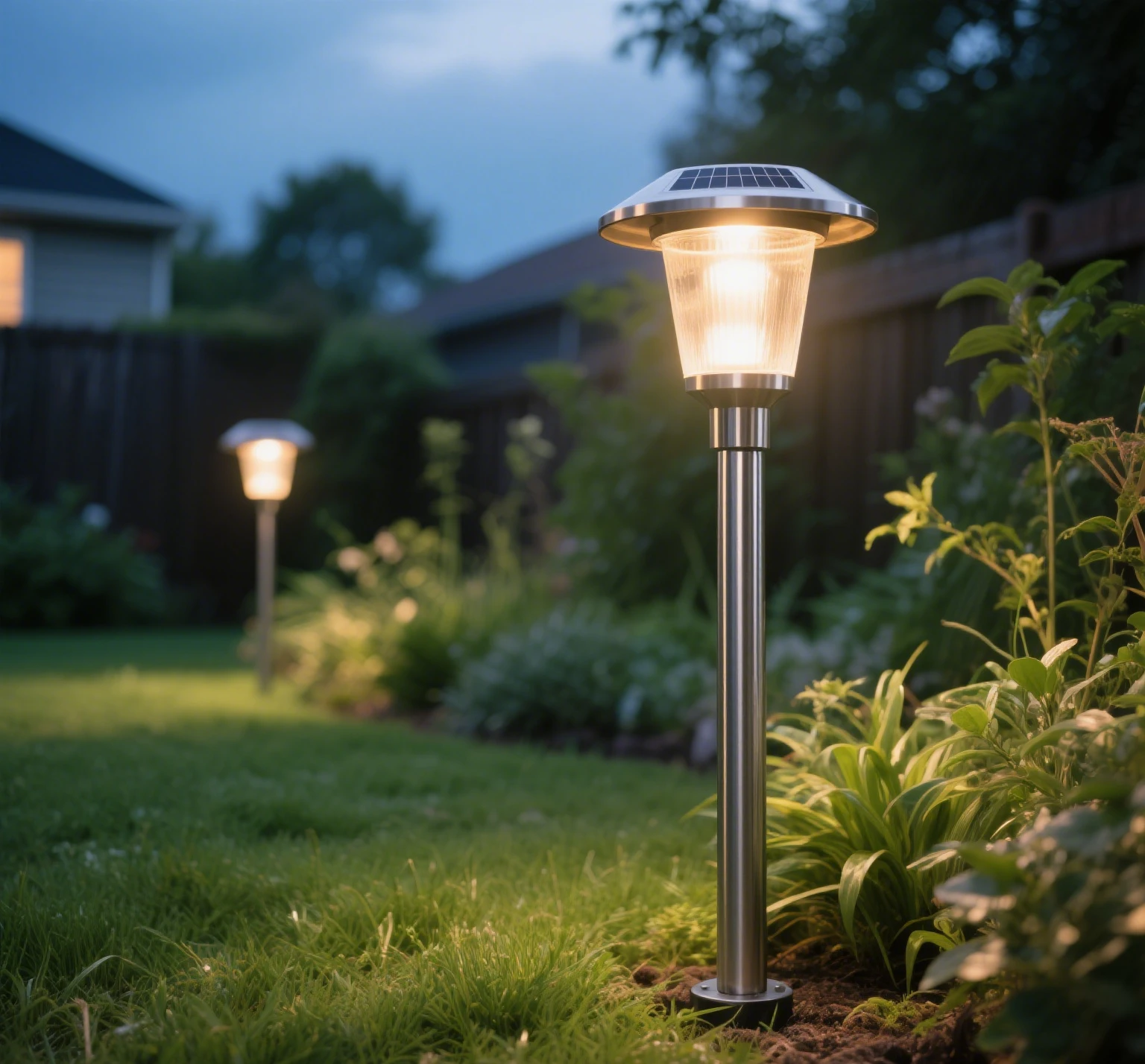
Modern solar path lights have transformed outdoor lighting, combining eco-friendly technology with stylish designs to enhance gardens, courtyards, and pathways. These innovative fixtures harness solar energy to provide bright, reliable illumination without the need for electrical wiring or high energy costs. This comprehensive guide explores the core advantages of modern solar path lights, key purchasing considerations, installation and maintenance tips, and how BITPOTT’s modern solar path lights can elevate various outdoor settings.

Core Advantages of Modern Solar Path Lights
Energy Efficiency and Environmental Value
Modern solar path lights are powered entirely by the sun, making them a sustainable choice for eco-conscious homeowners. By converting sunlight into electricity via photovoltaic panels, these lights eliminate the need for grid power, significantly reducing energy costs and greenhouse gas emissions. Unlike traditional electric lights, solar path lights produce zero carbon emissions during operation, aligning with global efforts to combat climate change. According to industry insights, solar lighting can reduce household energy consumption for outdoor lighting by up to 100%, offering both financial and environmental benefits.
Additionally, modern solar path lights contribute to reducing e-waste by using rechargeable batteries, such as Nickel-Metal Hydride (NiMH), which are less toxic than older Nickel-Cadmium (NiCd) alternatives. While battery longevity remains a challenge, advancements in battery technology have improved their lifespan, with some models lasting up to 2-3 years with proper care. Choosing lights with recyclable components further enhances their environmental value, ensuring a smaller ecological footprint.
Installation Convenience and Flexibility
One of the standout features of modern solar path lights is their ease of installation. Unlike low-voltage or wired lighting systems, solar lights require no electrical wiring, trenching, or professional installation. This wire-free design allows homeowners to place lights virtually anywhere with adequate sunlight exposure, from garden paths to remote corners of a property. The installation process typically involves staking the light into the ground or mounting it on a wall, taking just minutes to complete.
This flexibility makes modern solar path lights ideal for dynamic landscaping projects. Homeowners can easily reposition lights to highlight new garden features or adjust to seasonal changes without worrying about rewiring or power access. For instance, BITPOTT’s modern solar path lights come with multiple mounting options—side, center, or corner stakes—offering versatility for various terrains and aesthetic preferences.
Key Indicators for Choosing Modern Solar Path Lights
Illumination Duration and Brightness Parameters
When selecting modern solar path lights, brightness (measured in lumens) and illumination duration are critical factors. Most pathway lights range from 5 to 200 lumens, with 100–200 lumens being ideal for garden paths to balance visibility and ambiance. For example, BITPOTT’s modern solar path lights offer up to 80 lumens, significantly brighter than average solar lights, making them suitable for both decorative and functional lighting. Higher lumen outputs, such as 150 lumens, are better for illuminating larger areas like driveways or courtyards.
Illumination duration depends on battery capacity and sunlight exposure. High-quality modern solar path lights can provide 8–12 hours of light on a full charge, with some premium models, like those from BITPOTT, lasting up to 24 hours in low mode. To ensure optimal performance, choose lights with adjustable brightness settings, allowing you to switch between high and low modes based on your needs. For instance, a warm white setting (2700K–3000K) creates a cozy ambiance, while a bright white setting (3500K–4000K) offers a modern, crisp look.
Material Durability Requirements
Durability is a key consideration for modern solar path lights, as they must withstand various weather conditions. Look for lights made from high-quality materials like cast aluminum, stainless steel, or UV-resistant plastics. For example, BITPOTT’s modern solar path lights feature durable cast aluminum frames designed to resist rust and corrosion, ensuring year-round performance. Glass shades, as seen in models like Beau Jardin’s solar lights, add elegance and durability, withstanding rain, wind, and even occasional impacts.
Weather resistance is another critical factor. Opt for lights with an IP65 or higher waterproof rating to ensure they can endure rain, snow, and extreme temperatures. Additionally, consider the solar panel’s coating, as polymer-coated panels can degrade under prolonged UV exposure. Choosing lights with UV-resistant coatings or glass panels can extend their lifespan beyond the typical 1–2 years reported for standard models.
Installation and Maintenance Tips for Modern Solar Path Lights
Choosing the Optimal Installation Location
Proper placement is essential for maximizing the performance of modern solar path lights. Select locations that receive 6–8 hours of direct sunlight daily to ensure the solar panels fully charge. Avoid areas shaded by trees, buildings, or other structures, as insufficient sunlight can reduce illumination time and brightness. For pathways, space lights 6–8 feet apart to provide even illumination without overwhelming the landscape.
When installing modern solar path lights, consider the terrain and aesthetic goals. For example, BITPOTT’s lights offer three mounting options, allowing you to stake them into soft soil, gravel, or even hard surfaces with appropriate anchors. To enhance visual appeal, position lights to highlight garden features, such as plants or sculptures, or to create a moonlight effect by placing them near trees. Regularly check the solar panel’s angle, especially for adjustable models, to optimize sunlight absorption during overcast days.
Daily Cleaning and Maintenance Methods
To maintain the longevity and performance of modern solar path lights, regular cleaning and upkeep are crucial. Dust, dirt, and debris on solar panels can reduce charging efficiency by up to 30%. Clean panels monthly with a damp cloth or sponge to remove grime, and check for condensation inside the fixture, especially in humid climates. Dry the interior thoroughly to prevent corrosion.
Battery maintenance is equally important. Most modern solar path lights use NiMH batteries, which should be replaced every 1–2 years to maintain consistent performance. Check battery performance periodically, and replace them if the lights dim or fail to stay illuminated for the expected duration. For BITPOTT’s modern solar path lights, regular maintenance includes wiping the durable aluminum frame and ensuring the solar panel remains free of obstructions. These simple steps can extend the lifespan of your lights significantly.
BITPOTT Modern Solar Path Lights: Ideal Applications
Courtyard Pathway Applications
BITPOTT’s modern solar path lights are perfect for illuminating courtyard pathways, combining functionality with aesthetic appeal. Their sleek, geometric design complements contemporary landscapes, while their 80-lumen output ensures clear visibility for safe navigation at night. These lights can be strategically placed along walkways to guide guests or highlight architectural features, creating a welcoming atmosphere. For example, spacing BITPOTT lights along a curved courtyard path can accentuate its contours, enhancing both safety and visual charm.
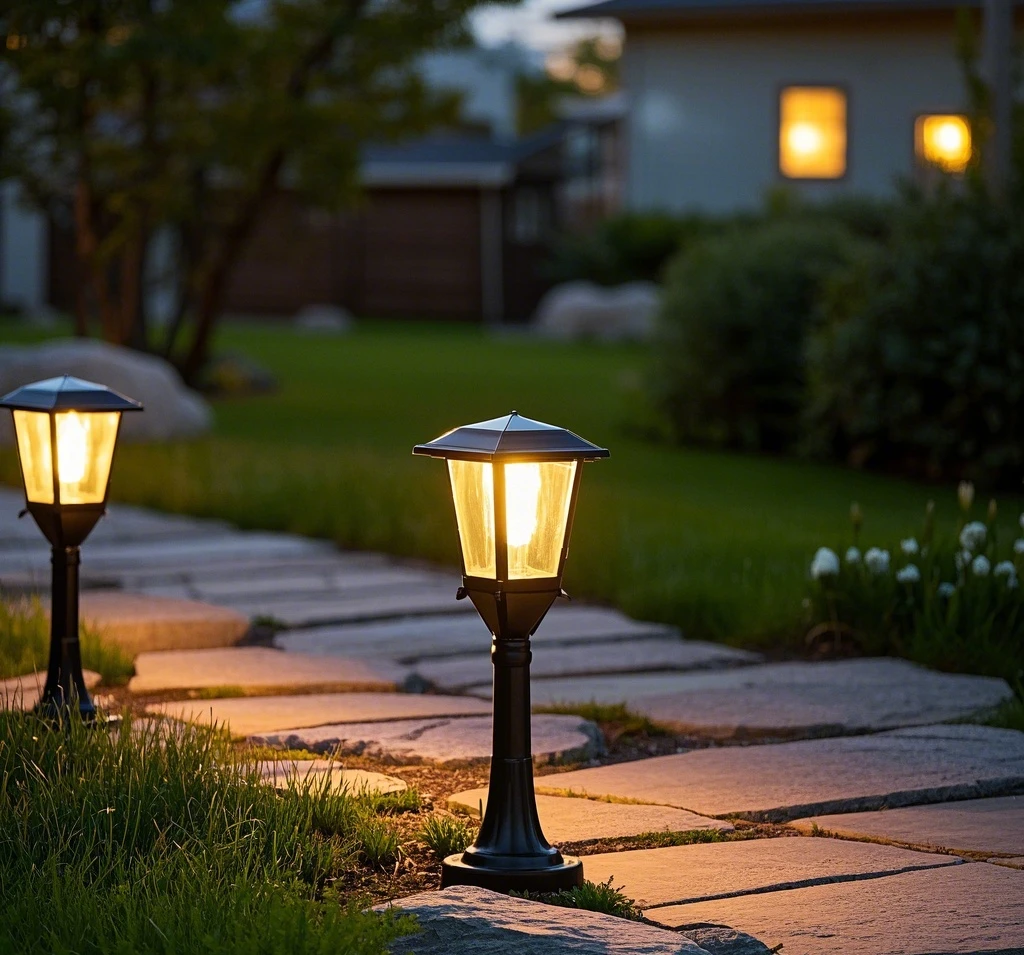
The dusk-to-dawn feature of BITPOTT’s modern solar path lights ensures consistent illumination throughout the night, even after cloudy days. Their weather-resistant aluminum frames and IP65 rating make them suitable for year-round use, withstanding rain, snow, and extreme temperatures. Homeowners can also use these lights to frame entryways or line driveways, adding a touch of elegance to functional spaces.
Garden Corner Arrangements
In garden settings, BITPOTT’s modern solar path lights excel at highlighting corners and focal points, such as flower beds, shrubs, or sculptures. Their adjustable brightness settings allow users to create a soft, ambient glow for intimate gatherings or a brighter light for evening events. For instance, placing these lights around a garden corner can accentuate a cozy seating area or draw attention to a prized plant.
The versatility of BITPOTT’s modern solar path lights also allows for creative arrangements, such as clustering them to mimic string lights or positioning them to cast decorative patterns on the ground. Their durable construction ensures they remain vibrant even in harsh weather, making them ideal for gardens exposed to wind or rain. By integrating these lights into garden corners, homeowners can create a relaxing, eco-friendly ambiance that enhances the natural beauty of their outdoor spaces.
Conclusion
Modern solar path lights, exemplified by BITPOTT’s innovative designs, offer a sustainable, stylish, and practical solution for outdoor lighting. Their energy efficiency, ease of installation, and environmental benefits make them a top choice for homeowners seeking to enhance their landscapes. By carefully selecting lights based on brightness, durability, and weather resistance, and following proper installation and maintenance practices, users can enjoy long-lasting, vibrant illumination. Whether lighting up a courtyard pathway or accentuating a garden corner, BITPOTT’s modern solar path lights provide endless possibilities for creating beautiful, eco-friendly outdoor spaces.
Leave a Reply