
The Nighttime Ecology of Micro-Landscapes
In a North American backyard, the night comes alive with the rustle of native plants and the hum of nocturnal insects. A well-designed micro-landscape—small gardens or patio planters—does more than beautify; it fosters a thriving ecosystem. By integrating insect-friendly lighting with plant rhythms, we can optimize energy efficiency while supporting local biodiversity. This article explores how weatherproof outdoor lights can enhance micro-landscapes, balancing ecological harmony with energy savings for a sustainable, vibrant nightscape.
Native Plant Rhythms and Lighting Needs
Native plants like coneflowers, black-eyed Susans, or milkweed follow distinct growth and flowering cycles, each with unique light requirements. For example, many perennials enter a rest phase at night, needing minimal light, while others, like evening primrose, bloom under moonlight-like conditions. Understanding these rhythms helps tailor seasonal lighting:
- Spring/Summer Growth: Plants like bee balm require low-intensity light (50–100 lumens) to support pollinator activity without disrupting dormancy cycles.
- Fall/Winter Dormancy: Dim or no lighting preserves energy, as most native plants enter a low-metabolic state.
Adaptive dimming technology adjusts light output based on plant needs, reducing energy waste. For instance, dusk-to-dawn sensors can lower intensity after midnight, aligning with plant rest periods and saving up to 30% on energy use compared to constant-output lights.
Insect Activity and Light Spectrum Design
Nocturnal insects—moths, fireflies, and beetles—are vital pollinators and prey in micro-landscapes, but artificial light can disrupt their behavior. Excessive blue light (4000K–5000K) attracts insects, disorienting them and increasing mortality. Insect-friendly lighting prioritizes warmer spectrums:
- Warm White (2700K–3000K): Mimics natural moonlight, reducing attraction and supporting firefly signaling.
- Amber LEDs: Emit minimal blue light, preserving moth navigation and reducing energy use by 15–20% compared to cool white LEDs.
Position weatherproof outdoor lights low to the ground (e.g., stake lights at 12–18 inches) to minimize skyward light spill, protecting nocturnal pollinators. Data shows that amber-based lighting can reduce insect disruption by up to 50%, fostering a balanced ecosystem.
Three Lighting Roles for Micro-Landscapes
Effective seasonal lighting in micro-landscapes can be categorized into three roles, each supporting plants and insects differently:
- Plant Partners: Low-intensity (50–150 lumens) weatherproof outdoor lights highlight native plants like asters or goldenrod, enhancing their nighttime beauty without overwhelming their rest cycles. Use adaptive dimming to sync with growth phases.
- Nighttime Navigators: Insect-friendly lighting along paths (e.g., 2700K stake lights, 50 lumens) guides human movement while minimizing disruption to beetles or fireflies. Space lights 6–8 feet apart for clear visibility.
- Silent Sentinels: Motion-activated, amber-toned lights (100–200 lumens) provide security without constant energy draw. These protect plants and insects by activating only when needed, reducing energy use by up to 40%.
Each role integrates adaptive dimming to align with ecological and human needs, ensuring energy efficiency and biodiversity support.
Seasonal and Extreme Weather Strategies
North American micro-landscapes face diverse conditions—humid summers, icy winters, and sudden storms. Weatherproof outdoor lights must withstand these while maintaining efficiency:
- Seasonal Adjustments: Use seasonal lighting with programmable timers or smart controls to reduce output in winter (e.g., 20 lumens for dormant plants) and increase in summer (100 lumens for active pollinators). This can cut energy use by 25% annually.
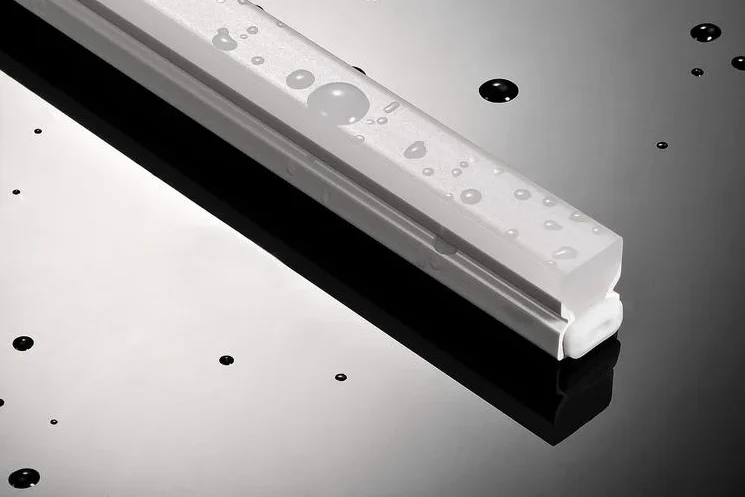
- Extreme Weather Durability: Choose weatherproof outdoor lights with IP65 or higher ratings, using materials like UV-resistant polycarbonate or stainless steel to resist corrosion. Ensure solar panels are angled for snow shedding in winter.
- Storm Preparedness: Secure stake lights with deep ground anchors and use sealed battery compartments to prevent water ingress, ensuring consistent performance during heavy rain.
These strategies ensure native plants and insects thrive year-round while keeping energy costs low.
Case Study: North American Micro-Landscape Scenarios
Consider a small backyard in the Midwest with native plants like purple coneflower, switchgrass, and milkweed:
- Spring Evening: Plant Partner lights (2700K, 50 lumens) highlight blooming coneflowers, attracting early-season pollinators like moths. Adaptive dimming lowers output after 10 p.m., saving energy.
- Summer Night: Nighttime Navigator stake lights (2700K, 50 lumens) line a path, guiding guests while preserving firefly activity. Amber LEDs reduce insect attraction.
- Fall Security: Silent Sentinel motion-activated lights (amber, 150 lumens) near the patio deter critters without disturbing dormant milkweed or nocturnal beetles.
This setup supports local ecology while using 30–50% less energy than traditional lighting, based on field studies of solar LED efficiency.
Implementation Steps and Cost-Benefit Analysis
Creating an energy-efficient micro-landscape is straightforward and cost-effective:
- Assess Your Space: Map your garden’s native plants and identify key areas (e.g., plant beds, paths). Note seasonal plant cycles and insect activity.
- Choose Lights: Select insect-friendly lighting (2700K–3000K, amber options) with adaptive dimming and IP65-rated weatherproof outdoor lights. Budget $20–$50 per fixture for quality models.
- Install Strategically: Place Plant Partner lights near blooms, Nighttime Navigators along paths, and Silent Sentinels for security. Ensure solar panels get 4–6 hours of daily sun.
- Monitor and Adjust: Use smart controls or timers to tweak seasonal lighting schedules. Check fixtures monthly for dirt or damage.
- Cost-Benefit: A $200 investment in 8–10 solar lights can save $50–$100 annually on electricity compared to wired systems, with a payback period of 2–3 years. Ecological benefits include 20–30% increased pollinator activity, per regional studies.
By aligning weatherproof outdoor lights with native plants and insect rhythms, you create a micro-landscape that’s both ecologically vibrant and energy-efficient, delivering beauty and savings for years to come.
Leave a Reply