
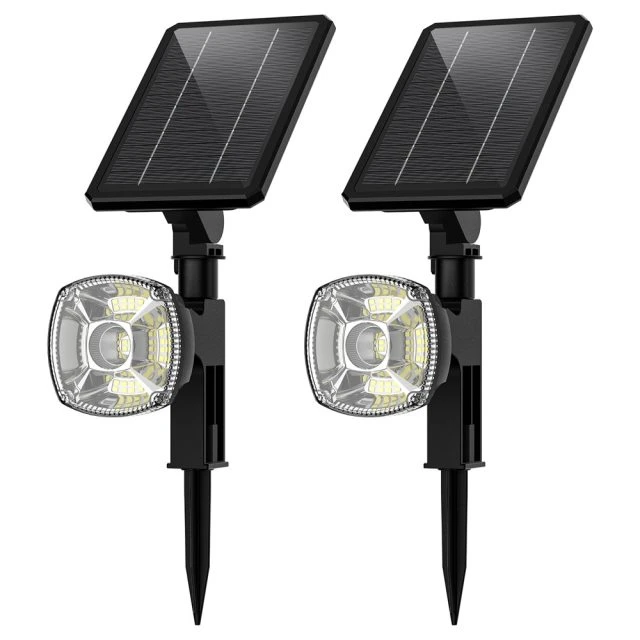
Illuminate your outdoor spaces efficiently with solar motion sensor flood lights. These versatile, eco-friendly lighting solutions combine solar power with motion-detection technology to provide reliable, energy-efficient illumination for a variety of settings. Whether you’re lighting up a temporary workspace or securing a remote corner, these lights offer flexibility, durability, and low maintenance. This guide explores how to optimize solar motion sensor flood lights for diverse scenarios, covering installation, sensor adjustments, winter maintenance, and portability. With practical tips and real-world examples, you’ll learn how to maximize performance while keeping sustainability in mind.

Scene Adaptation: Lighting Layouts for Non-Fixed Areas
Solar motion sensor flood lights excel in areas where traditional wiring isn’t feasible, offering adaptable solutions for dynamic outdoor environments.
Flexible Setup for Temporary Workspaces
Temporary workspaces, like construction sites or outdoor event setups, benefit from the portability of solar motion sensor flood lights. In a rural Virginia construction project, workers mounted these lights on adjustable tripods to illuminate a nighttime build site. The solar panels were positioned to capture maximum daylight, powering bright LEDs for up to 10 hours. Choose models with adjustable angles to direct light precisely where needed, such as over tools or pathways. Secure the lights with weighted bases or ground stakes to ensure stability on uneven terrain, making setup and relocation quick and hassle-free.
Motion Coverage for Remote Corners
For secluded areas like backyard sheds or garden perimeters, solar motion sensor flood lights provide targeted illumination. In a suburban Phoenix property, homeowners installed these lights near a storage shed, ensuring motion-triggered lighting deterred nocturnal critters. Position the lights to cover entry points, with sensors angled to detect movement within a 120-degree arc. Opt for models with customizable brightness settings to balance visibility and energy conservation, ensuring the light activates only when necessary.
Sensor Optimization: Fine-Tuning for Environmental Needs
The effectiveness of solar motion sensor flood lights hinges on proper sensor calibration, tailored to specific conditions and use cases.
Dynamic Sensitivity and Range Adjustments
Adjusting sensor sensitivity and range ensures optimal performance. In a coastal Maine driveway, residents set their solar motion sensor flood light to a medium sensitivity level to avoid false triggers from swaying branches while still detecting approaching vehicles. Most models allow range adjustments from 10 to 30 feet. Test the sensor during setup by walking through the detection zone, tweaking settings to avoid over- or under-sensitivity. In high-traffic areas, reduce sensitivity to conserve battery life, while in remote spots, increase it for broader coverage.
Weather-Specific Trigger Logic Settings
Weather conditions can affect sensor performance, requiring tailored trigger settings. In a foggy Seattle suburb, homeowners programmed their solar motion sensor flood lights to activate only during low ambient light levels, preventing unnecessary triggers during overcast days. Look for lights with customizable modes, such as dusk-to-dawn operation or manual overrides. In rainy climates, ensure sensors are shielded from direct water exposure to maintain responsiveness. Regularly check settings after major weather events to ensure consistent performance.
Winter Maintenance: Ensuring Performance in Cold Climates
Cold weather poses challenges for solar motion sensor flood lights, but proper maintenance keeps them reliable through winter months.
Battery Insulation and Protection Measures
Low temperatures can reduce battery efficiency, so insulation is key. In a Minnesota backyard, a homeowner wrapped the battery compartment of their solar motion sensor flood light with thermal foam tape, maintaining charge capacity during subzero nights. Choose lights with lithium-ion batteries, which perform better in cold conditions than lead-acid alternatives. Store spare batteries indoors when not in use, and check charge levels monthly to prevent deep discharge, which can shorten battery lifespan.
Snow Removal Techniques for Solar Panels
Snow accumulation on solar panels can block sunlight, reducing charging efficiency. In a Colorado mountain town, residents used a soft-bristled brush to gently clear snow from their solar motion sensor flood light panels after storms. Avoid abrasive tools that could scratch the panel surface, and never use hot water, as thermal shock may crack the glass. Angle panels slightly during installation to encourage snow to slide off naturally, and check weekly during heavy snowfall to ensure unobstructed charging.
Portability Assurance: Managing Details for Mobile Use
The portability of solar motion sensor flood lights makes them ideal for temporary or changing setups, but careful handling ensures longevity and performance.

Cable Management and Connector Protection
Proper cable storage prevents damage during transport. In a Texas camping setup, users coiled the cables of their solar motion sensor flood light neatly and stored them in a waterproof bag to protect connectors from dust and moisture. Use cable ties to keep wires organized, and inspect connectors for corrosion before each use. For lights with detachable panels, ensure connectors are covered with weatherproof caps when not in use to maintain functionality in damp or dusty conditions.
Stabilizing Brackets and Bases
Stable mounting is critical for portable setups. In a Florida event space, organizers used solar motion sensor flood lights with weighted bases to light up a temporary outdoor stage, preventing tipping during windy evenings. Choose lights with adjustable brackets for versatile mounting on poles, walls, or ground stakes. Regularly inspect bases for wear, especially after frequent relocations, and tighten screws or bolts to maintain structural integrity.
Conclusion: Efficient Solutions for Scene, Performance, and Maintenance
Solar motion sensor flood lights offer a powerful blend of versatility, efficiency, and sustainability for outdoor lighting needs. By tailoring installations to specific scenarios—temporary workspaces or remote corners—you can maximize coverage and functionality. Fine-tuning sensor settings ensures reliable performance across diverse weather conditions, while winter maintenance like battery insulation and snow removal keeps lights operational in harsh climates. For portable applications, careful cable management and stable mounting preserve durability. By combining scene-specific strategies, optimized settings, and proactive maintenance, these lights provide a cost-effective, eco-friendly solution that illuminates your spaces with precision and reliability.
Leave a Reply