
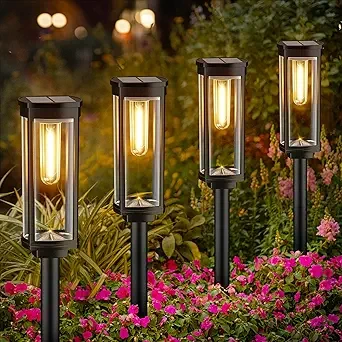
Communities often grapple with sky-high electricity bills for outdoor lights and the headache of figuring out who’s responsible for fixes. Shared solar lights offer a straightforward fix, spreading out the load so no one gets stuck with the full burden. By pooling resources like batteries and maintenance duties, these setups slash expenses and simplify oversight. In one neighborhood pilot, this approach dropped outdoor lighting costs by 40% in the first year alone. Let’s break down how it works in practice.
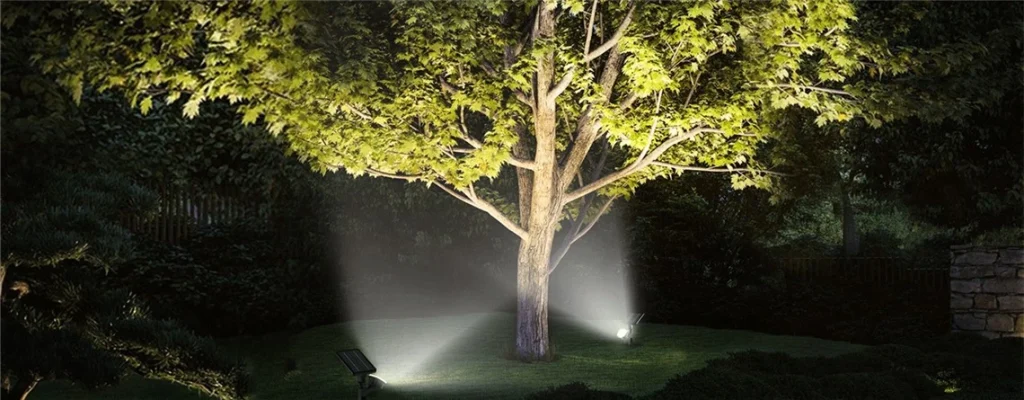
Fence Lights: Household Adoption for Easy Upkeep
Fence lights line the edges of shared spaces, and pinning maintenance on a single entity leads to delays and disputes. The shared model flips this by having individual households claim ownership.
- Each home adopts two lamps nearby, handling basic checks like cleaning panels or swapping bulbs.
- In return, they get a slice off their utility bill, tied directly to the solar savings from those units.
- This setup clarifies responsibility—no more “not my problem” excuses—and encourages quick action since it hits home financially.
Properties using this have seen fewer outages, as residents treat the lights like their own porch fixtures.
Garden Lights: Centralized Battery Hub to Avoid Redundancy
Garden areas need reliable illumination but scattered solar lamps mean every unit needs its own battery, jacking up initial outlays and replacement headaches. A shared energy storage bin changes the game.
- Multiple lamps feed into one communal battery station, charged collectively via solar panels.
- This cuts down on duplicate hardware; instead of 10 batteries for 10 lights, one robust unit handles the lot.
- Access is fair—usage tracked via simple meters, with costs shared proportionally among contributing households.
The result? Less waste and lower per-light expenses. In shared solar lights deployments, this has trimmed hardware costs by up to 30%, making it feasible for budget-strapped communities.
Path Lights: QR Code Reporting for Swift Repairs
Pathways wind through communities, and a busted light there can mean safety issues that linger if reporting is clunky. Integrating QR codes turns users into the first line of response.
- Scan the code on a faulty lamp to log details like location and issue type straight to a property app.
- No need for calls or emails; the system flags it for pros or assigned volunteers.
- Data collects over time, spotting patterns like weather-related failures for proactive tweaks.
This keeps paths lit without constant patrols, reducing downtime and the management drag on staff.
String Lights: Borrowable Sets for Events
Community events pop up unpredictably, and buying dedicated string lights for each is overkill. A shared pool keeps things flexible.
- Store sets in a central spot, available for signup via an app or signup sheet.
- Users borrow for a night, return clean and charged—powered by solar for zero grid draw.
- Ties into the broader shared solar lights ecosystem, recharging off the same hubs.
It eliminates storage clutter at home and ensures lights are used only when needed, dodging unnecessary wear.
Tech Backbone: Remote Monitoring via Property Dashboard
Underpinning it all is remote monitoring, letting property managers keep tabs without foot patrols.
- Sensors in each lamp relay battery levels, brightness, and faults to a central dashboard.
- Alerts ping via app for issues, allowing remote diagnostics or scheduled visits.
- Integration with shared solar lights means optimized energy flow, like dimming unused areas at off-hours.
This tech layer minimizes surprises, cutting emergency call-outs by half in tested setups.
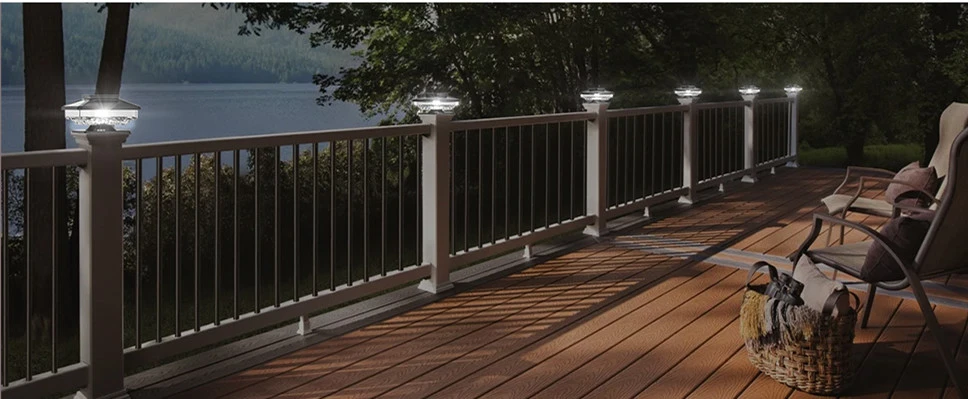
Real-World Impact: 40% Savings in a Pilot Neighborhood
Take a mid-sized condo complex in the suburbs that rolled out household adoption for fence lights combined with a shared storage hub for gardens. Within months, shared solar lights handled 80% of needs off-grid.
- Bills dropped as solar offset peak-hour draws.
- Maintenance calls fell 55%, thanks to clear duties and QR reports.
- Overall outdoor lighting costs: down 40%, with residents recouping adoption perks in under a year.
The key was starting small—piloting in one zone before scaling.
Rolling It Out: Step-by-Step Implementation
Making this stick requires a clear rollout, not just tech dumps. Here’s a practical sequence many communities follow:
- Assess and Map: Survey existing lights, tally costs, and pinpoint high-use spots. Identify solar-friendly areas with good sun exposure.
- Engage Residents: Host town halls to explain perks, like bill credits for adopters. Address concerns head-on, such as liability for adopted units.
- Install Hardware: Deploy shared solar lights with modular parts—QR stickers, storage bins, monitoring kits. Partner with local suppliers for bulk discounts.
- Set Rules and Tools: Draft simple guidelines: adoption terms, borrowing protocols, data privacy for monitoring. Use free apps for tracking.
- Train and Launch: Quick sessions on QR use and basic upkeep. Go live in phases, monitoring the first month for tweaks.
- Review and Adjust: After three months, crunch numbers on savings and feedback. Scale successes, like expanding the battery hub if demand spikes.
This process keeps momentum without overwhelming anyone. Communities that follow it report smoother adoption, with shared solar lights becoming a non-issue background win. In the end, the model proves self-sustaining, as lower costs free up funds for other improvements, turning a pain point into a community asset.
Leave a Reply