
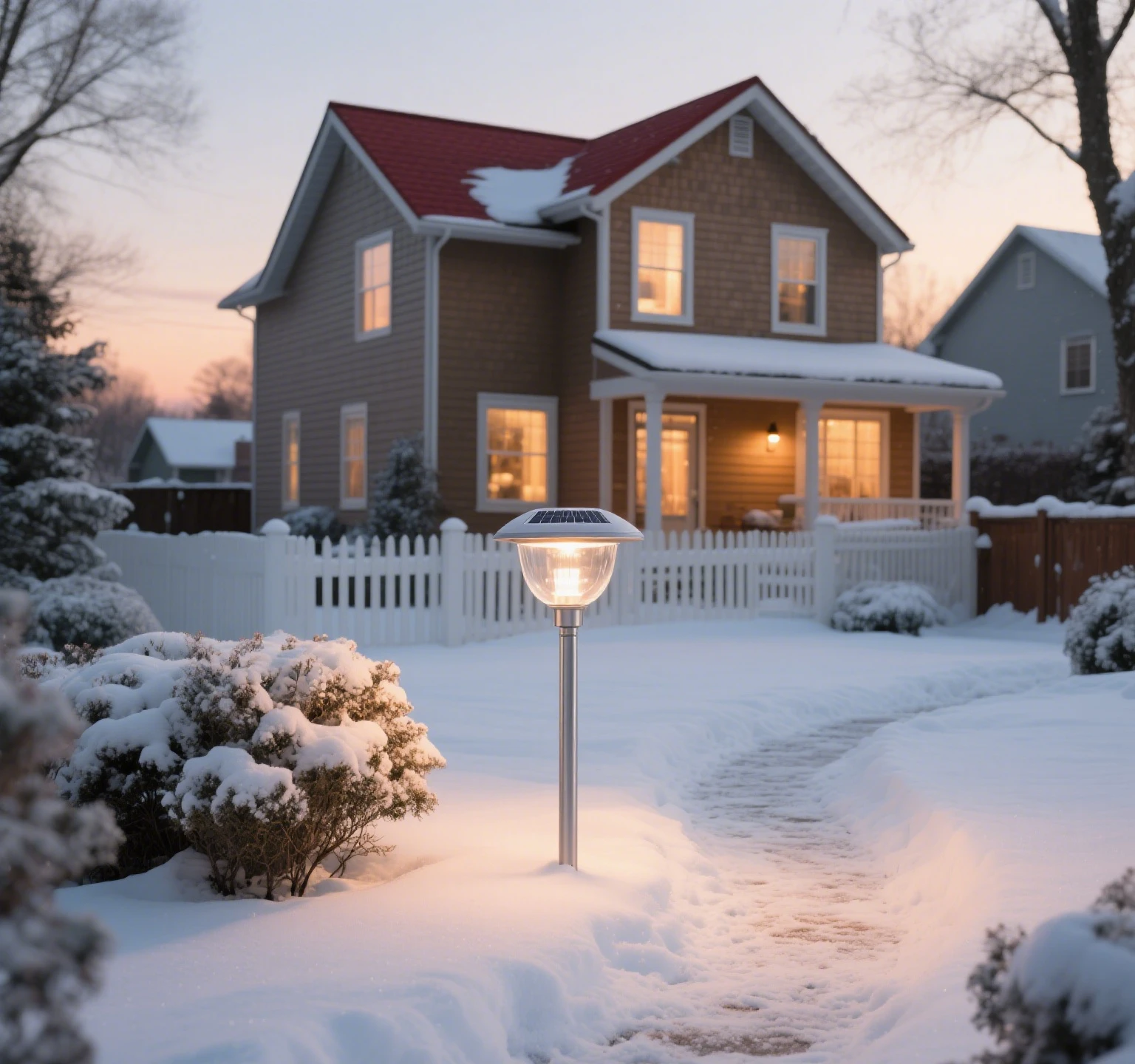
Solar lighting is a go-to for eco-friendly illumination, but how does it fare in extreme climate operation? From freezing winters to scorching deserts, extreme temperatures, strong winds, and heavy rain can test any outdoor fixture. The good news? With the right product selection criteria, you can find solar lights built for reliable performance in harsh weather. Let’s explore how solar lights handle tough conditions and what you need to know to ensure durability and solar lighting performance.
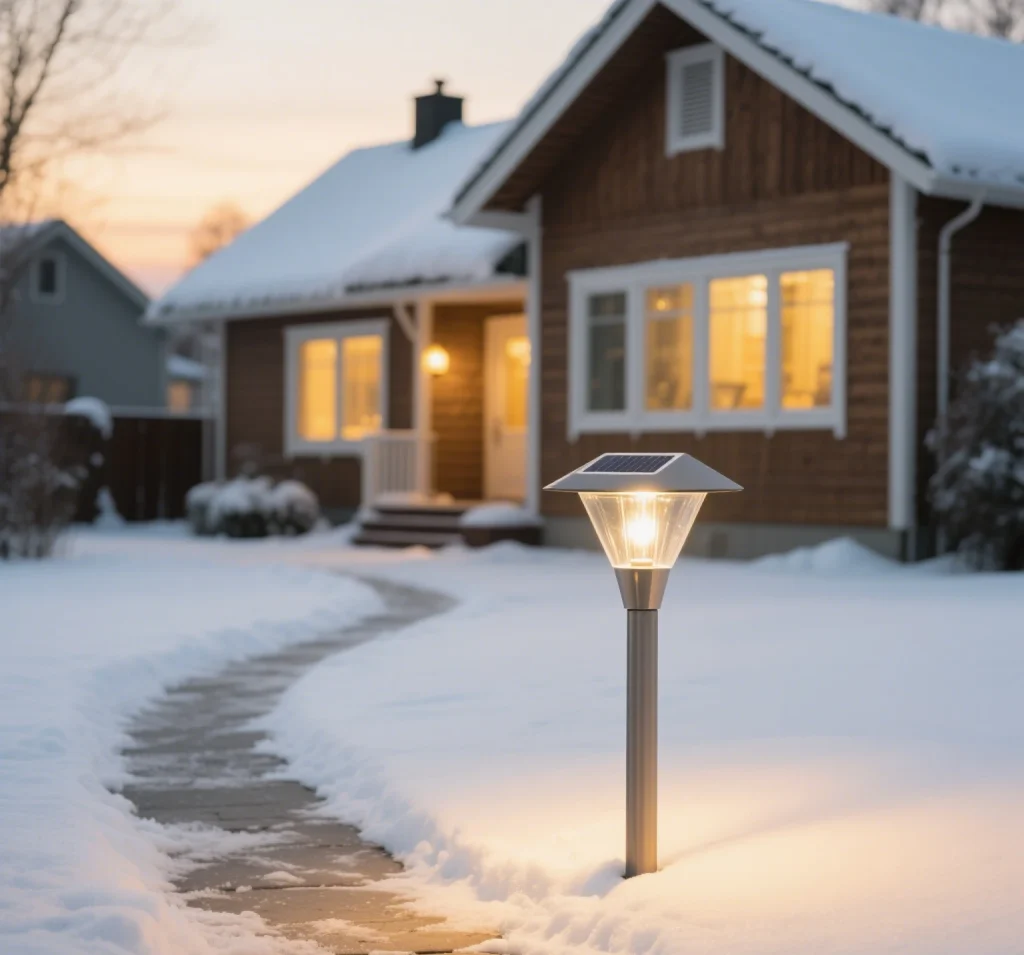
Battery Performance in Extreme Cold
When temperatures plummet, you might worry about your solar lights flickering out. Extreme cold can indeed affect battery performance, but not all solar lights are created equal. Here’s how to keep them glowing in icy conditions.
- Why cold matters: Subzero temperatures can slow chemical reactions in batteries, reducing solar lighting performance. Standard NiMH batteries, common in solar lights, may lose efficiency below 14°F (-10°C).
- Choosing low-temperature solar lights: Opt for lights with lithium-ion or lithium iron phosphate (LiFePO4) batteries, which perform better in extreme cold. Check product specs for operating temperature ranges, ideally down to -20°F (-29°C).
- Maintenance tips: Store portable lights indoors during prolonged freezes. For fixed lights, ensure panels are clear of snow to maintain charging.
- Pro tip: Look for climate-specific solar lights with insulated battery compartments to boost reliability in cold climates.
Picking low-temperature solar lights ensures your setup stays functional even when the mercury drops.
Handling Strong Winds and Heavy Rain
Mother Nature can be brutal, with strong winds and heavy rain posing serious threats to outdoor fixtures. How do solar lights hold up, and do they need extra protective measures for weatherproofing?
- Wind impact: Gusts can loosen mounts or topple poorly secured lights. Look for lights with sturdy, corrosion-resistant materials like aluminum or reinforced plastic to withstand wind and rain impact.
- Rain challenges: Most solar lights are rated IP65 or higher, meaning they’re dust-tight and resistant to water jets. However, prolonged heavy rain can exploit weak seals, leading to internal damage.
- Extra protective measures: Secure ground lights with deep stakes or heavy bases. For wall-mounted lights, use robust brackets and check seals regularly. Applying silicone sealant around panel edges can enhance weatherproofing.
- Inspection frequency: After major storms, check for cracks, loose parts, or water ingress. A quick wipe-down and tightening of screws can prevent long-term issues.
With proper weatherproofing and secure installation, your solar lights can brave the stormiest conditions with minimal wind and rain impact.
Thriving in Desert and High-Temperature Environments
Desert/high-temperature environments are tough on electronics, with blistering heat pushing components to their limits. Can solar lights maintain heat tolerance and avoid preventing heat damage in such climates?
- Heat’s effect: High temperatures can degrade batteries and reduce panel efficiency. Most solar lights are rated for up to 122°F (50°C), but prolonged exposure above this can shorten lifespan.
- Choosing heat-tolerant lights: Seek climate-specific solar lights with rugged design, such as UV-resistant coatings and heat-dissipating materials. Lithium-ion batteries tend to handle heat better than NiMH.
- Preventing heat damage: Place lights where they get some shade during the hottest part of the day, if possible, without sacrificing sunlight exposure. Ensure proper ventilation around panels to avoid overheating.
- Maintenance tip: Clean panels regularly to remove dust, which can trap heat and reduce efficiency. Use a soft cloth and avoid abrasive cleaners that could damage UV coatings.
By selecting lights designed for heat tolerance, you can ensure solar lighting performance even in scorching desert/high-temperature environments.
Specialized Solar Lights for Extreme Climates
Are there specialized products built specifically for extreme climate operation? Absolutely. Manufacturers are stepping up with climate-specific solar lights that boast extreme climate-resistant design for unmatched durability.
- What to look for: Seek lights with high IP ratings (IP66 or IP67) for superior weatherproofing. Look for certifications like MIL-STD-810G, which tests for extreme temperature and vibration resistance.
- Rugged design features: These lights often include reinforced casings, tempered glass panels, and advanced thermal management systems to ensure reliable performance in harsh weather.
- Examples of use: Specialized products are ideal for coastal areas (salt resistance), arctic regions (low-temperature batteries), or deserts (UV protection). Check product descriptions for climate-specific claims.
- Where to find them: Reputable brands often highlight extreme climate-resistant design in their specs. Compare reviews and look for real-world testing in extreme conditions.
Investing in climate-specific solar lights gives you peace of mind that your setup will hold up no matter the weather.
Why Choosing the Right Solar Lights Matters
When it comes to extreme climate operation, not all solar lights are up to the challenge. By focusing on product selection criteria—like low-temperature solar lights, robust weatherproofing, and heat tolerance—you can ensure reliable performance in harsh weather. Whether it’s extreme cold, strong winds, heavy rain, or desert/high-temperature environments, the right choices and extra protective measures make all the difference.
- Longevity: Lights with rugged design last longer, reducing replacement costs.
- Consistent performance: Proper selection ensures bright, reliable illumination, even in tough conditions.
- Peace of mind: Knowing your lights can handle extreme weather lets you focus on enjoying their benefits.
From picking specialized products to maintaining them properly, every step helps maximize durability and solar lighting performance. Check battery specs, secure installations, and clean panels regularly to keep your lights shining strong.
In short, solar lights can absolutely thrive in extreme climates if you choose wisely and care for them properly. Look for climate-specific solar lights, secure them against wind and rain impact, and protect them from extreme temperatures. With the right approach, your solar lighting will deliver a reliable, eco-friendly glow no matter what the weather throws at it.
Leave a Reply