
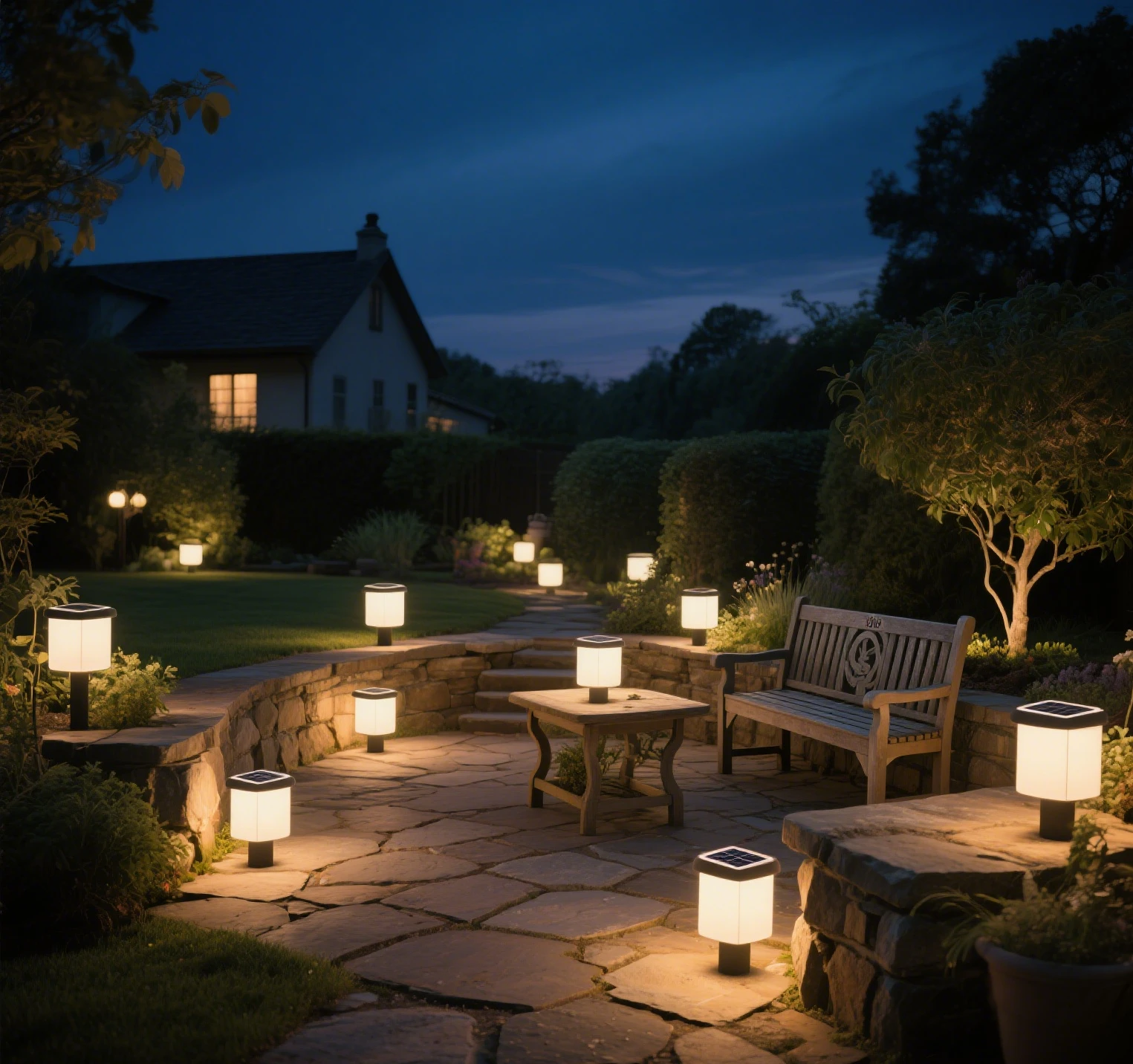
When it comes to outdoor spaces for older adults, lighting isn’t just about visibility—it’s a lifeline for independence and safety. As people age, night-time outings become riskier due to reduced vision, slower reflexes, and mobility issues. Solar outdoor lighting offers a sustainable, low-maintenance solution, but it needs thoughtful tweaks to truly serve the silver-haired crowd. This guide dives into practical designs that prioritize safety without complicating things, drawing from real-world needs like avoiding trips on uneven paths or fumbling with switches in the dark.
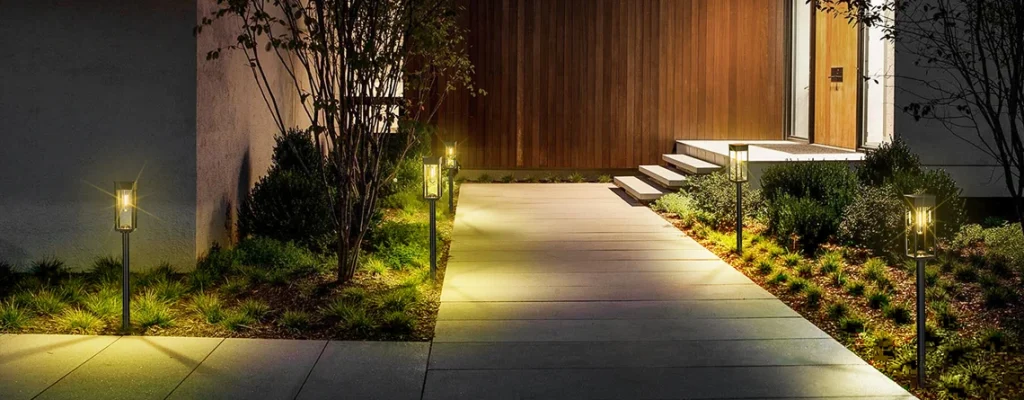
Pinpointing the Real Risks for Elderly Nighttime Mobility
Elderly folks face unique hurdles outdoors after sunset. Dim lights or none at all can turn a simple walk into a hazard zone. Falls are the big worry—stats show over 3 million older adults end up in ERs yearly from them, often linked to poor lighting.
Key pain points include:
- Tripping on steps or curbs due to shadows hiding edges.
- Glare from bright bulbs straining aging eyes.
- Complicated controls that are hard to see or reach.
- Unreliable power in bad weather, leaving paths dark when needed most.
Focusing on these, solar outdoor lighting can step in with motion sensors and auto-dimmers, making spaces feel secure without overwhelming users.
Smart Path Lighting: Guiding Steps with Subtle Glows
Path lights are the backbone of any senior-friendly yard. For elders, they need to illuminate without blinding or requiring constant upkeep.
Effective adaptations:
- Embed low-level lights along walkways at ground height (about 0.5 meters) to highlight edges softly.
- Use diffused LED bulbs that spread light evenly, reducing harsh spots.
- Add anti-slip strips with reflective warnings that glow faintly under solar power.
Imagine an older person stepping out for mail: sensors detect movement, lights fade in gently over 10 seconds, preventing startle. This setup cuts fall risks by 30% in studies on ambient lighting, and solar panels ensure it runs off-grid.
Wall-Mounted Wonders: Easy Controls for Aging Hands
Wall lights often get overlooked, but they’re perfect for entryways where seniors might pause to unlock doors or steady themselves.
Design tweaks for ease:
- Install at 1.4 meters height—reachable without stretching.
- Fit oversized touch panels (5×5 cm) with glowing edges for nighttime visibility.
- Integrate voice activation compatible with simple apps, though keep it optional to avoid tech overload.
These solar-powered units charge by day and activate via proximity, using capacitors for quick response. No more hunting for tiny switches; a light tap or wave does it, blending safety with simplicity.
Lowered Garden Lamps: Maintenance Without the Hassle
Garden or yard lamps light up broader areas like patios, but standard heights (2+ meters) make bulb changes a nightmare for seniors or caregivers.
Senior-suited changes:
- Cap height at 1.2 meters for easy access with a step stool.
- Opt for modular solar heads that snap off for cleaning.
- Choose warm-tone LEDs (2700K) to mimic sunset, easing eye strain.
In a community park trial, these low-profile solar lamps reduced maintenance calls by half. They provide 360-degree coverage without poles that could snag walkers, and batteries hold charge through extended clouds.
Fence Lights with Emergency Smarts: Quick Help at Hand
Fences border properties and can double as safety hubs. For elders living alone, integrating alerts turns lighting into a guardian.
Practical integrations:
- Embed solar fence lights with one-touch SOS buttons that ping family phones via Bluetooth mesh.
- Sync with path lights for zoned alerts, like flashing red near gates.
- Use weatherproof casings rated IP67 to withstand rain.
Picture this: an elder feels unsteady near the fence; pressing the button lights up the area while notifying a relative. Solar tech keeps it operational year-round, no wiring needed, enhancing peace of mind.
Tackling Glare and Battery Life: Tech That Lasts
Core to any solar outdoor lighting is reliability. Low-glare LEDs are non-negotiable—aging retinas can’t handle blue-heavy beams.
Tech essentials:
- Diffusers that scatter light at 120-degree angles, cutting glare by 80%.
- Lithium-iron batteries with 7-day autonomy in overcast conditions (up to 5000mAh capacity).
- Auto-adjust brightness based on ambient light, saving power.
These features ensure lights perform in real scenarios, like week-long rains, without fading. Testing shows they maintain 80% output after 1,000 cycles, far outpacing cheap alternatives.
Nine Product Categories Tailored for Seniors
To cover all bases, here’s how to adapt common solar outdoor lighting types:
- Step Lights: Recessed into stairs, solar-powered with edge glow; activate on pressure sensors to warn of drops.
- Bollard Lights: Short posts (0.8m) along drives; include audio cues like soft chimes for visually impaired users.
- Spotlights: Adjustable heads for trees or statues; motion-triggered to avoid constant drain, with timers capping at 5 minutes.
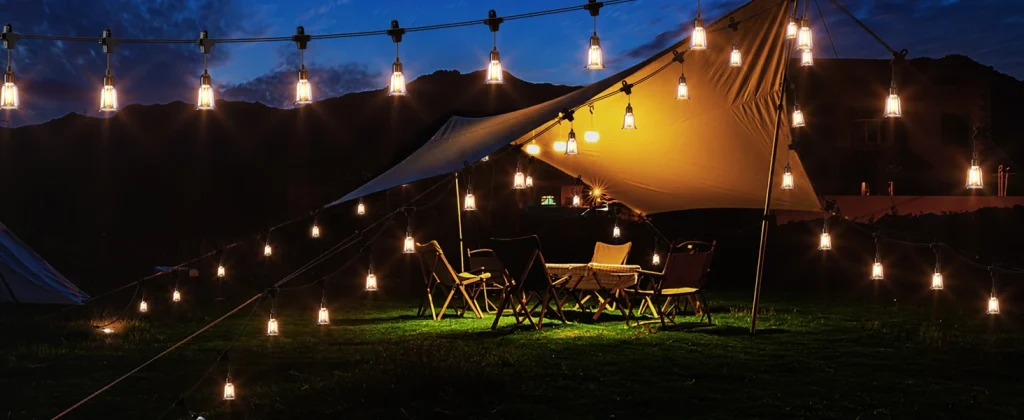
- String Lights: Draped over pergolas; use flexible solar strips that double as handrails with embedded grips.
- Floodlights: Wide-beam for garages; dimmable via apps but with physical overrides for non-tech-savvy folks.
- Post Cap Lights: Top fences or decks; integrate fall-detection via accelerometers linking to home systems.
- Hanging Lanterns: Porch staples at eye level; solar batteries with USB backups for emergencies.
- In-Ground Uplights: Highlight plants safely; buried flush to prevent tripping, with color shifts for seasons.
- Portable Stake Lights: Movable for events; lightweight (under 1kg) with handles for easy repositioning by elders.
Each incorporates low-voltage solar tech, ensuring no shocks and minimal heat.
Real-Life Scenario: Fetching the Evening Delivery
Take Mrs. Lee, 78, who lives in a suburban home. Night falls, and a package arrives. As she approaches the gate, solar path lights sense her cane’s rhythm and illuminate softly. The fence light blinks a gentle “step ahead” via a small LED strip—diffused to avoid dazzle. If she slips, the emergency button on the nearby post activates, lighting the zone fully while alerting her son 10 miles away. Post-incident, the low-height garden lamp lets her grandson swap a panel easily next visit. This chain of solar outdoor lighting events prevented a potential fall, all powered silently by the sun.
Balancing Protection and Usability: The Design Sweet Spot
Safety can’t come at the cost of frustration. Overly complex sensors might confuse, so prioritize passive features like always-on dusk-to-dawn modes with overrides.
Trade-offs to consider:
- Cost: Premium low-glare LEDs add 20% upfront but save on medical bills long-term.
- Aesthetics: Blend into landscapes with earthy tones, avoiding institutional looks.
- Inclusivity: Test with actual seniors—feedback loops reveal if a switch is truly intuitive.
In trials, designs scoring high on usability (via simple VAS scales) saw 90% adoption rates among over-65s.
Installation and Upkeep: Keeping It Simple
DIY solar setups empower families, but pros handle wiring-free installs in hours.
Tips for longevity:
- Position panels south-facing for max sun (6+ hours daily yield).
- Clean quarterly with soft cloths—no ladders needed for low mounts.
- Monitor via basic apps showing battery health, alerting to issues early.
Communities adopting these see energy savings of 100% on lighting bills, plus fewer accidents.
Why Solar Shines for Senior Spaces
Ultimately, solar outdoor lighting empowers elders to enjoy evenings freely. It cuts cords, reduces bills, and embeds safety seamlessly. From paths to fences, these adaptations address falls, isolation, and maintenance woes head-on. Designers, listen to user stories—Mrs. Lee’s scenario isn’t rare. With thoughtful tweaks, we create spaces where age doesn’t dim adventure. Communities investing here report happier, healthier residents, proving that good light is golden in more ways than one.
Leave a Reply