
Picture a late evening in your backyard, fumbling with a flashlight to check your rain barrel’s water level, only to trip over a pipe and end up sprawled in the grass. For North American families committed to water conservation, nighttime maintenance of rainwater harvesting systems—like barrels, cisterns, or filtration units—can be a hassle. Poor visibility makes checking water levels tricky, and hidden pipes or uneven ground can turn a quick task into a safety hazard. The solution? Courtyard rainwater harvesting solar lights. These eco-friendly lights make nighttime checks easy, safe, and sustainable, ensuring your water-saving setup works as well after dark as it does during the day.
This guide is for homeowners eager to blend rainwater harvesting with smart lighting. We’ll explore how solar water level lighting lamps and other solar solutions address common pain points, offer maintenance tips, adapt to regional climates, and amplify your environmental impact. Let’s make nighttime water management simple and stress-free.
Why Solar Lights for Rainwater Harvesting?
Rainwater harvesting systems—whether a simple barrel or a complex setup with cisterns and filters—are a fantastic way to save water. But without proper lighting, nighttime tasks like checking water levels or cleaning filters can lead to frustration or accidents. Here’s why courtyard rainwater harvesting solar lights are a game-changer:
- Visibility for water level checks: No more squinting with a flashlight to see if your barrel’s full.
- Safety first: Illuminate pipes, filters, or uneven ground to prevent trips and falls.
- Eco-friendly synergy: Solar lights pair perfectly with the green ethos of rainwater harvesting.
- Easy setup: Most solar lights are plug-and-play, requiring no wiring or electrician.
Let’s dive into the best types of solar lights for your rainwater harvesting system, tailored to specific components and needs.
Choosing the Right Solar Lights for Your System
Not all solar lights are created equal. Your rain barrel, filtration system, and surrounding paths each have unique lighting needs. Below, we break down the best options for each part of your setup, ensuring you can monitor water levels, maintain equipment, and move safely at night.
1. Solar Water Level Lighting for Rain Barrels
Rain barrels are the heart of many home rainwater systems, but checking water levels in the dark is a chore. Solar water level lighting lamps are designed to make this task effortless.
- What to look for:
- Lights with sensors that glow based on water volume (e.g., dim for low, bright for full).
- Compact designs that clip onto the barrel’s rim or float inside.
- IP65 or higher waterproof rating to withstand splashes or submersion.
- Why it works: These lights provide instant visual cues, so you know if your barrel’s ready for use or needs draining without opening it.
- Example use: A barrel-mounted solar water level lighting lamp glows green when your 50-gallon barrel is half full, amber at 75%, and red when it’s time to divert overflow.
2. IP66 Waterproof Wall Lights for Filtration Systems
If your setup includes a filtration device to clean rainwater before use, you’ll need reliable lighting to inspect and maintain it at night. Wall-mounted solar lights with high waterproof ratings are ideal.
- What to look for:
- IP66-rated lights to resist heavy rain and debris from filter cleaning.
- Wide-angle beams to illuminate filter screens and nearby pipes.
- Adjustable mounts for directing light exactly where you need it.
- Why it works: These lights make it easy to spot clogs or debris in your filter, even during a stormy evening.
- Example use: A solar wall light mounted above your filtration unit highlights a clogged mesh, letting you clean it without fumbling in the dark.
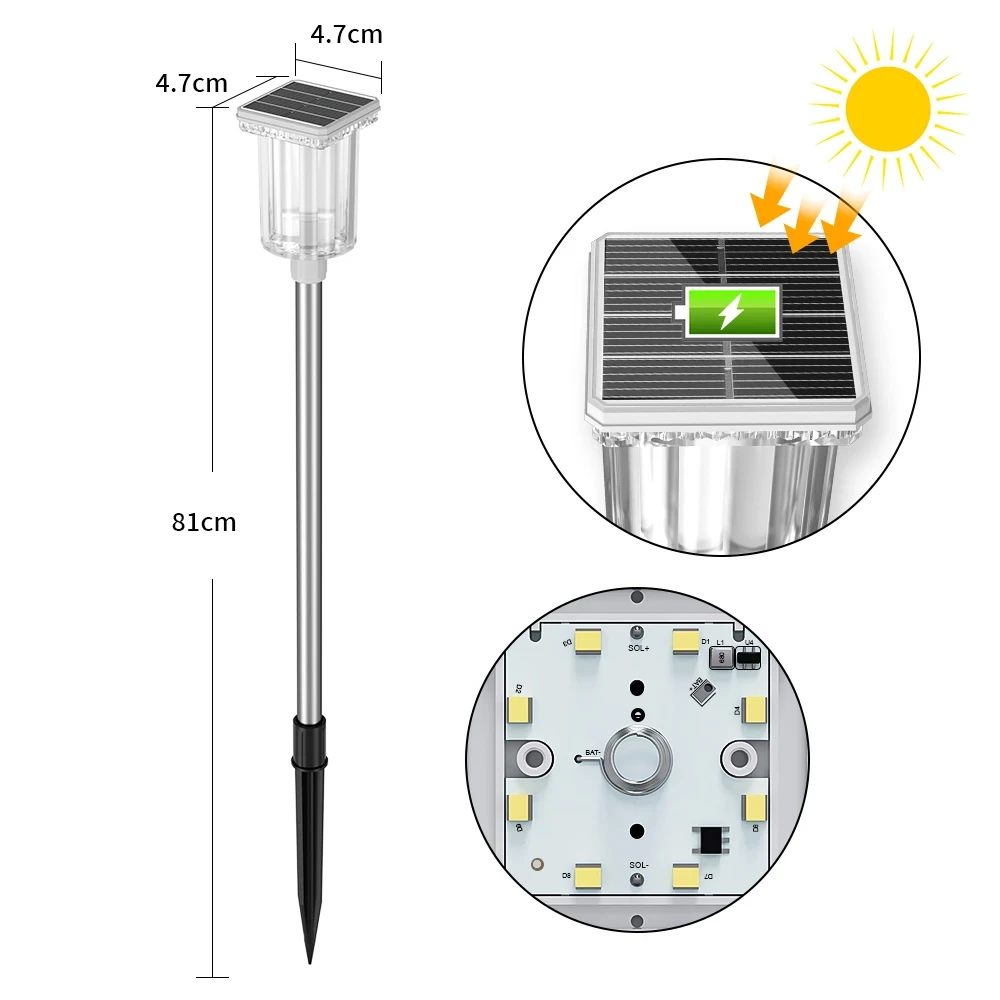
3. Mini Solar Path Lights for Trip Prevention
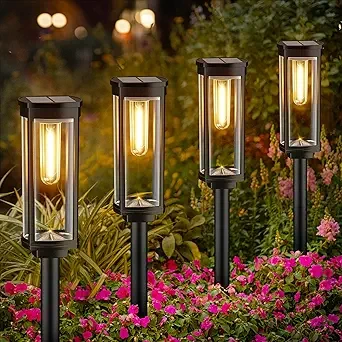
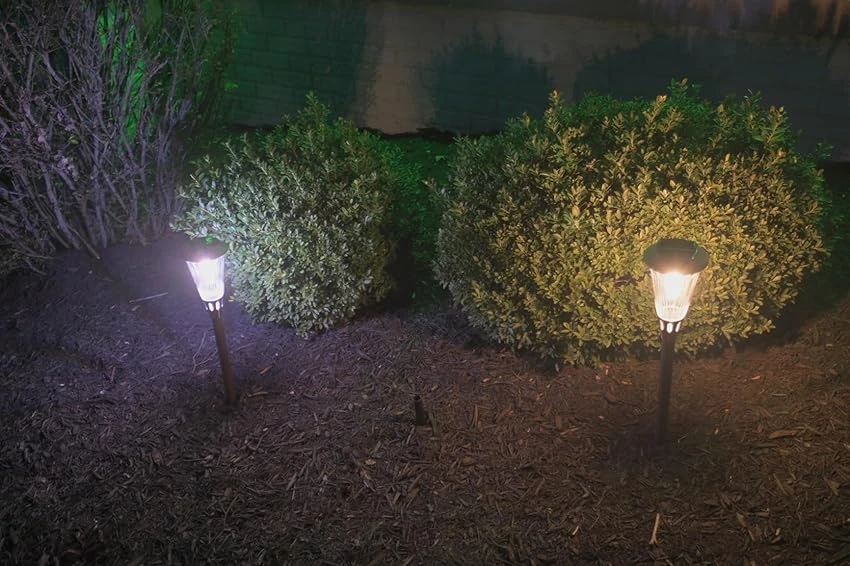
Pipes, hoses, and uneven ground around your rainwater system can turn your backyard into a tripping hazard. Mini solar path lights keep your paths safe and navigable.
- What to look for:
- Low-profile, stake-style lights that blend into your yard.
- Warm white LEDs for soft, non-glaring illumination.
- Durable materials like stainless steel or ABS plastic to withstand foot traffic.
- Why it works: These lights outline walkways and highlight obstacles, ensuring you don’t trip over a hose or stub your toe on a barrel base.
- Example use: A row of mini path lights guides you from your back door to the cistern without stepping on irrigation lines.
Maintaining Your Solar Lights for Long-Term Performance
To keep your courtyard rainwater harvesting solar lights shining bright, a little maintenance goes a long way. Rainwater systems are exposed to water, algae, and weather, so your lights need to stay resilient. Here’s how to care for them:
- Apply anti-algae coatings: Rain barrels and cisterns can foster algae growth, which can coat solar panels or light surfaces. Use a non-toxic, anti-algae spray (available at garden centers) on the light’s exterior every 3–6 months.
- Seal interfaces for waterproofing: Check that all connections (e.g., where the light attaches to the barrel or wall) are sealed with silicone gaskets or waterproof tape. This prevents leaks that could damage the light’s battery.
- Clean solar panels regularly: Wipe solar panels with a damp cloth to remove dust, pollen, or bird droppings, ensuring maximum charging efficiency.
- Inspect for wear: Every season, check for cracks in the light housing or fading in the LED output, and replace units if needed.
By spending 10–15 minutes on maintenance each season, you’ll ensure your lights stay functional and your nighttime water checks remain hassle-free.
Adapting to North America’s Diverse Climates
From snowy Northern winters to rainy Southern springs, your solar water level lighting lamps and other solar lights need to withstand your region’s weather. Here’s how to adapt your setup:
Northern Climates (e.g., Midwest, Northeast, Canada)
Winters bring freezing temperatures and snow, which can damage solar lights or reduce their efficiency.
- Winter storage: Remove detachable lights (e.g., barrel clip-ons or path stakes) before the first frost and store them indoors. This prevents battery damage from subzero temperatures.
- Snow-proof placement: For fixed lights (like wall-mounted units), position them under eaves or overhangs to minimize snow buildup on solar panels.
- Battery checks: Cold drains batteries faster. Test your lights’ charge in early fall and replace weak batteries before winter.
Southern Climates (e.g., Southeast, Southwest)
Frequent rain, humidity, and intense sun demand robust, weather-resistant lights.
- Frequent cleaning: High humidity can lead to algae or mildew on light surfaces. Clean solar panels and housings monthly with a mild vinegar solution.
- UV-resistant materials: Choose lights with UV-protected plastic or metal to prevent fading or cracking under strong sunlight.
- Rain-ready design: Ensure all lights have IP66 or higher ratings to handle heavy downpours, especially during hurricane season.
No matter where you live, check your lights after extreme weather events (blizzards, heavy storms) to ensure they’re still secure and functional.
Environmental Impact: Solar Lights + Rainwater Harvesting
Combining courtyard rainwater harvesting solar lights with your rainwater system isn’t just practical—it’s a powerful step toward sustainability. Here’s how this duo boosts your eco-friendly efforts, with some sample data for a typical North American household:
- Water savings:
- A 50-gallon rain barrel can collect enough water to irrigate a 200-square-foot garden for 2–3 weeks, saving ~500 gallons of municipal water per month in summer.
- With proper filtration and lighting for nighttime maintenance, you can use harvested water for non-potable tasks (e.g., car washing, lawn irrigation), cutting water bills by 10–20%.
- Energy savings:
- Solar lights eliminate the need for grid-powered outdoor lighting, saving ~50 kWh per year for a set of 5–10 lights.
- No wiring or electrician costs mean you’re saving $100–$300 on installation compared to traditional lights.
- Carbon footprint:
- By combining rainwater harvesting with solar lighting, a household can reduce its carbon footprint by ~100–150 kg of CO2 annually, equivalent to driving 300–400 fewer miles.
These numbers vary by region and usage, but the takeaway is clear: solar water level lighting lamps and path lights make your rainwater system more efficient, letting you save water and energy with minimal effort.
Practical Tips for Getting Started
Ready to light up your rainwater harvesting system? Here’s a step-by-step plan to integrate courtyard rainwater harvesting solar lights into your setup:
- Assess your system: Identify key areas needing light—barrels for water level checks, filters for maintenance, or paths for safety.
- Choose your lights:
- For barrels: Clip-on or floating solar water level lighting lamps with level indicators.
- For filters: IP66 wall lights with adjustable angles.
- For paths: Mini stake lights with durable, weatherproof designs.
- Install with care:
- Place solar panels in spots with 4–6 hours of direct sunlight daily.
- Secure lights to avoid tipping during wind or rain.
- Test each light after installation to confirm it charges and glows properly.
- Maintain regularly: Follow the maintenance tips above (anti-algae coatings, waterproof seals, cleaning).
- Monitor savings: Track your water and energy use to see the impact of your rainwater + solar setup.
Most solar lights are “plug-and-play,” meaning you can set them up in an afternoon without special tools or skills. Check local hardware stores or online retailers for models with good reviews and warranties.
Conclusion: Lighting the Way to Smarter Water Conservation
Rainwater harvesting is a rewarding way to save water and live sustainably, but nighttime maintenance doesn’t have to be a headache. With courtyard rainwater harvesting solar lights, you can check water levels, clean filters, and navigate your yard safely, day or night. From solar water level lighting lamps that glow to show your barrel’s status to mini path lights that keep you from tripping, these tools make your system as practical as it is eco-friendly. Add in simple maintenance and climate-specific tweaks, and you’ve got a setup that works year-round, rain or shine.
So, ditch the flashlight and stop stumbling over pipes. With the right solar lights, your rainwater harvesting system will shine—literally and figuratively—making water conservation a breeze, day or night.
Leave a Reply