
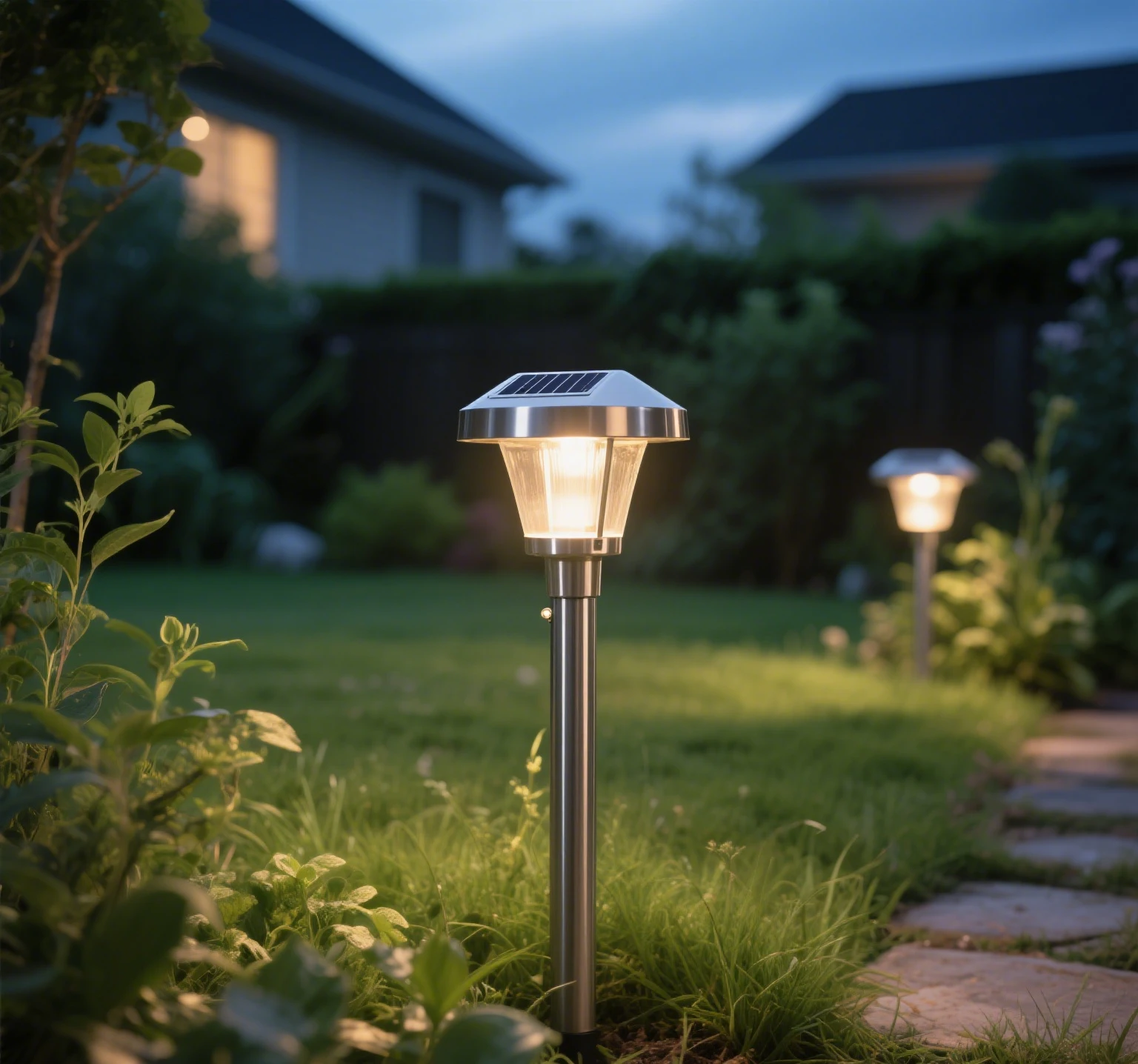
Winter poses unique challenges for solar lighting systems, particularly in regions with freezing temperatures and heavy snowfall. Selecting the right solar lights and optimizing their performance during harsh winter conditions is critical for reliable illumination. This comprehensive guide explores how to choose frost-resistant batteries, enhance charging efficiency in snowy conditions, and maintain solar lighting systems for optimal performance throughout the cold season.
Understanding Winter Challenges for Solar Lighting
Solar lighting relies on photovoltaic panels to convert sunlight into electricity, which is stored in batteries to power lights during the night. In winter, reduced daylight hours, low temperatures, and snow accumulation can significantly impact performance. Freezing temperatures can reduce battery efficiency, while snow-covered panels block sunlight, hindering energy production. To address these issues, selecting the right components and employing strategic maintenance practices are essential.
Impact of Cold Weather on Solar Batteries
Cold temperatures affect battery chemistry, reducing the efficiency of energy storage and discharge. Lithium-ion and lithium iron phosphate (LiFePO4) batteries are preferred for solar lighting due to their superior performance in low temperatures compared to traditional lead-acid batteries. LiFePO4 batteries, in particular, maintain stable performance in temperatures as low as -20°C, making them ideal for harsh winter environments.
When choosing a battery, consider its temperature rating and capacity. Look for models designed with frost-resistant batteries that include built-in thermal management systems to prevent freezing and maintain charge efficiency. Additionally, ensure the battery has sufficient capacity to store energy for extended periods of cloudy or snowy weather.
Snow Accumulation and Charging Efficiency
Snow accumulation on solar panels can drastically reduce charging efficiency by blocking sunlight. Even a thin layer of snow can decrease energy production by up to 80%. To mitigate this, select solar lights with panels designed for snow shedding, such as those with a steep tilt angle or anti-stick coatings. Regular maintenance, such as clearing snow from panels, is also critical to maintaining performance.
Choosing the Right Frost-Resistant Battery
Selecting a frost-resistant battery is the cornerstone of a reliable winter solar lighting system. Here are key factors to consider when choosing a battery:
- Battery Chemistry: Opt for LiFePO4 or lithium-ion batteries, which perform better in cold conditions than lead-acid batteries. LiFePO4 batteries are particularly durable, offering a longer lifespan and better thermal stability.
- Temperature Rating: Check the manufacturer’s specifications for the battery’s operating temperature range. Choose batteries rated for at least -20°C to ensure functionality in freezing conditions.
- Capacity and Depth of Discharge (DoD): Select a battery with a high capacity and a DoD of at least 80% to ensure sufficient power during low-sunlight periods. A higher capacity allows the system to store more energy, reducing the risk of power shortages.
- Thermal Management: Batteries with built-in heating elements or insulation are ideal for extreme cold, as they maintain optimal operating temperatures and prevent capacity loss.
For example, brands like Renogy and Battle Born Batteries offer LiFePO4 batteries specifically designed for solar power systems, with robust performance in sub-zero temperatures.
Maximizing Charging Efficiency in Snowy Conditions
To ensure solar panels maintain optimal charging efficiency during snowy winters, consider the following strategies:
Panel Design and Orientation
The design and orientation of solar panels play a significant role in snow management. Panels with a steep tilt angle (30–45 degrees) allow snow to slide off more easily, reducing accumulation. Anti-stick coatings, such as those with hydrophobic properties, further minimize snow adhesion. When installing solar lights, position panels to face south (in the Northern Hemisphere) to maximize sunlight exposure during short winter days.

Snow Removal Techniques
Regular snow removal is essential for maintaining charging efficiency. Use a soft brush or a snow rake to gently clear snow from panels, avoiding abrasive tools that could scratch the surface. For automated solutions, consider investing in heated solar panels, which use a small amount of stored energy to melt snow and ice. These systems are particularly effective in regions with frequent snowfall.
Energy-Saving Features
Many modern solar lighting systems come equipped with energy-saving features, such as motion sensors or dimming capabilities, which reduce power consumption during low-sunlight periods. These features help conserve battery power, ensuring lights remain operational even during extended cloudy or snowy weather.
Maintenance Tips for Winter Solar Lighting
Proper maintenance is crucial for keeping solar lighting systems operational in winter. Follow these tips to ensure consistent performance:
- Regular Cleaning: Inspect and clean solar panels weekly to remove snow, ice, or debris. Use lukewarm water and a soft cloth to avoid damaging the panel surface.
- Battery Monitoring: Check battery charge levels and health regularly using a battery management system (BMS). A BMS can alert you to potential issues, such as low charge or overheating, before they impact performance.
- Insulation and Protection: Insulate battery compartments to protect against freezing temperatures. Use weatherproof enclosures to shield batteries and wiring from moisture and ice buildup.
- Component Checks: Inspect wiring, connectors, and mounting hardware for signs of wear or corrosion, which can be exacerbated by winter conditions.
Advanced Technologies for Winter Solar Lighting
Recent advancements in solar technology have introduced innovative solutions for winter performance. For instance, bifacial solar panels, which capture sunlight on both sides, can increase energy production by up to 20% in snowy conditions by reflecting light off snow-covered surfaces. Additionally, smart controllers with weather-adaptive algorithms optimize charging and discharging based on real-time weather conditions, improving overall efficiency.
Case Study: Solar Lighting in Northern Climates
In regions like Scandinavia and Canada, where winters are long and harsh, solar lighting systems have been successfully deployed with proper adaptations. For example, a community project in Alberta, Canada, implemented solar streetlights with LiFePO4 batteries and heated panels, achieving reliable illumination throughout winter with minimal maintenance. This case highlights the importance of combining frost-resistant components with proactive maintenance strategies.
Cost Considerations and Long-Term Savings
Investing in high-quality frost-resistant batteries and solar panels may involve higher upfront costs, but the long-term savings are significant. Durable batteries like LiFePO4 have lifespans of 10–15 years, compared to 3–5 years for lead-acid batteries, reducing replacement costs. Additionally, energy-efficient solar lighting systems lower electricity bills, making them a cost-effective solution for outdoor lighting in winter.
When budgeting, consider reputable brands like EcoFlow for portable solar power systems or Goal Zero for compact, high-performance solar lights. These brands offer reliable products backed by warranties, ensuring peace of mind in harsh winter conditions.
Environmental Benefits of Solar Lighting
Beyond performance and cost savings, solar lighting offers significant environmental benefits. By harnessing renewable energy, solar lights reduce reliance on fossil fuels, lowering carbon emissions. In winter, when energy demand for lighting increases due to shorter days, solar power systems provide a sustainable alternative to grid-powered lighting, contributing to a greener future.
Conclusion
Winter presents unique challenges for solar lighting systems, but with the right components and strategies, reliable performance is achievable. By choosing frost-resistant batteries, optimizing solar panel efficiency, and implementing regular maintenance, you can ensure consistent illumination even in the harshest conditions. Advanced technologies, such as bifacial panels and smart controllers, further enhance performance, making solar lighting a viable and eco-friendly solution for winter environments. Explore trusted brands like Renogy and EcoFlow to find the best products for your needs, and enjoy the benefits of sustainable, cost-effective lighting all winter long.
Leave a Reply