
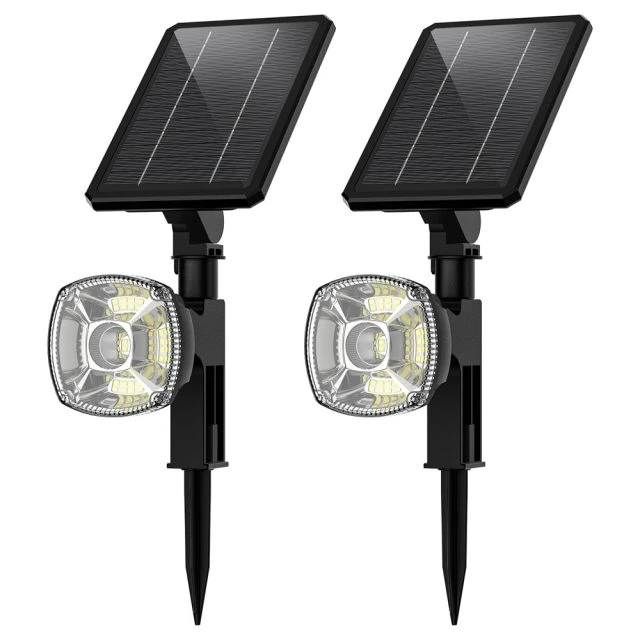
Solar powered spot lights have surged in popularity as homeowners seek energy-efficient, eco-friendly lighting solutions for their outdoor spaces. These compact, versatile fixtures offer illumination for gardens, pathways, and entryways without the hassle of wiring or high electricity bills. But are solar powered spot lights truly worth the investment? This article dives into the key factors to consider—panel efficiency, battery capacity, brightness, waterproofing, and smart features—to help you decide. We’ll also explore which households benefit most and which should steer clear.
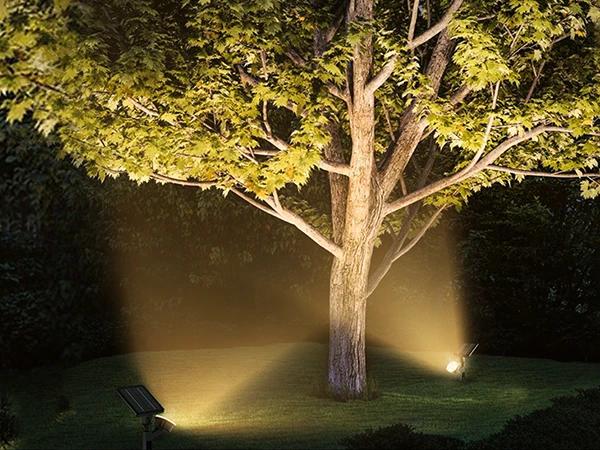
Understanding Solar Powered Spot Lighting
Solar powered spot lighting harnesses sunlight to power LED bulbs, offering a sustainable alternative to traditional outdoor lighting. These systems typically consist of a photovoltaic (PV) panel, a rechargeable battery, an LED light source, and sometimes smart sensors. Their appeal lies in easy installation, low maintenance, and zero operating costs. However, performance varies widely based on design and quality, making it critical to evaluate core metrics before purchasing.
Key Metrics for Solar Powered Spot Lights
To assess whether solar powered spot lights suit your needs, focus on these five critical indicators:
1. Solar Panel Efficiency: Monocrystalline vs. Polycrystalline
The heart of any solar powered spot light is its photovoltaic panel. Conversion efficiency—how effectively sunlight is turned into electricity—determines performance. Monocrystalline panels, made from a single silicon crystal, boast efficiencies of 15-22%, outperforming polycrystalline panels (13-16%) due to their uniform structure. For small spot lights, monocrystalline panels are ideal, especially in areas with limited sunlight, as they maximize energy capture in compact designs.
2. Battery Capacity: Powering Through the Night
Battery capacity, measured in ampere-hours (Ah) or watt-hours (Wh), dictates how long your lights stay on. A typical solar powered spot light requires 2-5 Ah to provide 6-12 hours of illumination. Lithium-ion batteries, common in high-quality models, offer better longevity and charge retention than older NiMH batteries. For consistent performance, choose lights with at least 2000mAh capacity, especially if you need dusk-to-dawn operation.
3. LED Brightness: Lumens for Outdoor Needs
Brightness, measured in lumens (lm), is crucial for functionality. For garden or pathway lighting, 300-500 lm is sufficient to create ambiance. For security purposes, such as illuminating driveways or doorways, aim for 700-1000 lm. Some premium solar powered spot lights offer adjustable brightness settings, allowing you to balance illumination and battery life.
4. Waterproof Rating: Built for the Elements
Outdoor lights face rain, snow, and humidity, so a robust waterproof rating is non-negotiable. Look for an IP65 rating or higher, ensuring protection against dust and low-pressure water jets. IP67 models are even better, offering temporary submersion resistance—ideal for regions with heavy rainfall.
5. Smart Features: Motion and Light Sensors
Many modern solar powered spot lights come with sensors to enhance efficiency. Motion sensors (human or PIR) activate lights only when needed, conserving battery life for pathways or entrances. Light sensors (photocells) automatically turn lights on at dusk and off at dawn. These features are particularly useful for small paths or doorways, reducing manual operation and energy waste.
Why Choose Solar Powered Spot Lights?
Solar powered spot lighting offers distinct advantages over traditional wired systems:
- Energy Savings: No electricity costs, as lights run entirely on solar power.
- Easy Installation: No wiring or electrician required—just stake or mount the light in a sunny spot.
- Eco-Friendly: Reduces carbon footprint by using renewable energy.
- Versatility: Adjustable angles and portable designs suit gardens, patios, or driveways.
However, limitations exist. Performance depends on sunlight exposure, making them less reliable in shaded areas or during prolonged cloudy weather. Lower-quality models may also suffer from dim output or short battery life.
3 Types of Households Perfect for Solar Powered Spot Lights
Certain homes are ideally suited for solar powered spot lighting. Here’s who benefits most:
1. Homes with Ample Sunlight
Households in sunny regions or with unshaded yards are prime candidates. Solar powered spot lights thrive in areas receiving 6-8 hours of direct sunlight daily, ensuring batteries fully charge for nighttime use. South-facing gardens or open patios are perfect locations.
2. Eco-Conscious Households
If sustainability is a priority, solar powered spot lights align perfectly. They reduce reliance on grid electricity, lowering your environmental impact. Pairing them with other green technologies, like solar water heaters, amplifies your home’s eco-friendliness.
3. Homes Needing Low-Maintenance Lighting
For busy homeowners or those with large properties, solar powered spot lighting offers set-it-and-forget-it convenience. Once installed, they require minimal upkeep beyond occasional panel cleaning. Motion-sensor models are especially practical for illuminating entryways or pathways without constant operation.
2 Types of Households That Should Avoid Solar Powered Spot Lights
Not every home is a good fit. Here’s who might want to reconsider:
1. Homes in Low-Sunlight Areas
If your property is heavily shaded by trees, buildings, or northern exposure, solar powered spot lights may underperform. Insufficient sunlight leads to weak battery charging, resulting in dim or short-lived illumination. In such cases, wired LED lights or hybrid solar-grid systems may be better.
2. Households Requiring High-Intensity Security Lighting
While some solar powered spot lights offer 1000+ lm, they may not match the consistent brightness of wired floodlights for security purposes. If you need powerful, always-on lighting for large areas like parking lots, traditional systems are more reliable.
How to Choose the Best Solar Powered Spot Lights
Selecting the right solar powered spot light involves balancing quality, features, and budget. Here are practical tips:
- Prioritize Monocrystalline Panels: They offer superior efficiency for consistent performance.
- Check Battery Specs: Opt for lithium-ion batteries with at least 2000mAh for reliable runtime.
- Match Lumens to Purpose: Choose 300-500 lm for decorative lighting, 700-1000 lm for security.
- Ensure IP65 or Higher: This guarantees durability in harsh weather.
- Consider Smart Features: Motion and light sensors enhance efficiency and convenience.
- Read Reviews: Check user feedback on platforms like Amazon for real-world performance insights.
For a curated selection of top models, explore options from brands like LITOM or URPOWER, known for balancing quality and affordability.
Installation and Maintenance Tips
Installing solar powered spot lights is straightforward but requires attention to detail:
- Choose a Sunny Location: Place the solar panel where it receives maximum sunlight, avoiding shade from trees or structures.
- Angle the Panel Correctly: Tilt the panel toward the sun (south-facing in the Northern Hemisphere) for optimal energy capture.
- Secure the Light: Use stakes or mounts to position the light for desired coverage.
- Clean Regularly: Wipe the solar panel every few months to remove dust or debris, ensuring efficient charging.
Maintenance is minimal. Replace batteries every 2-3 years if performance declines, and check for corrosion in humid climates.
Innovations in Solar Powered Spot Lighting
Recent advancements have made solar powered spot lights more efficient and user-friendly:
- Improved PV Technology: Next-gen monocrystalline panels achieve efficiencies approaching 24%, boosting performance in compact designs.
- Smart Integration: Some models now sync with apps, allowing remote control of brightness or schedules.
- Hybrid Designs: Newer lights combine solar and USB charging, ensuring functionality during cloudy periods.
These innovations make solar powered spot lighting a forward-thinking choice for modern homes.
Cost vs. Value: Are They Worth It?
Prices for solar powered spot lights range from $20 for basic models to $100 for premium ones with advanced features. While upfront costs may exceed traditional lights, the lack of electricity bills and minimal maintenance often yields savings within 1-2 years. For example, a 500-lm light with a 3000mAh battery might cost $40 but saves $10-20 annually on electricity compared to wired alternatives.
Conclusion: Make an Informed Choice
Solar powered spot lights are a smart investment for homes with ample sunlight, eco-conscious priorities, or a need for low-maintenance lighting. They shine in gardens, pathways, and entryways, offering flexibility and savings. However, they’re less suited for shaded properties or high-intensity security needs. By focusing on panel efficiency, battery capacity, brightness, waterproofing, and smart features, you can find a model that fits your home perfectly.
For more insights on outdoor lighting solutions, check out reviews and guides on EnergySage or consult local solar installers for tailored advice.
Leave a Reply