
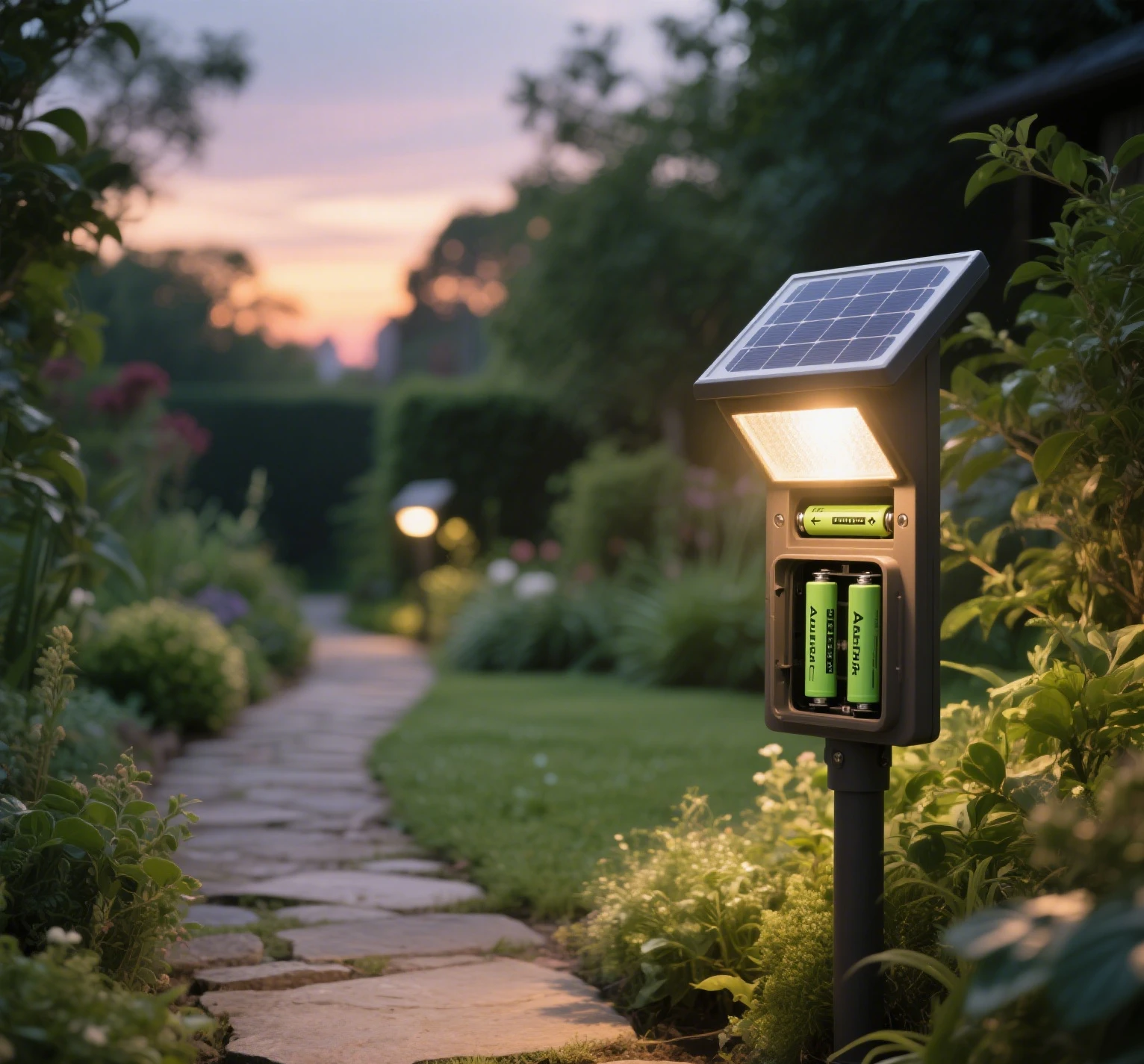
Solar lights are a popular choice for eco-friendly outdoor illumination, but their performance hinges on the quality of their power source. Rechargeable AA batteries for solar lights are a critical component, offering flexibility and cost savings over disposable batteries. This guide explores why these batteries are essential, their key characteristics, how to choose the best ones, practical maintenance tips, and factors affecting their lifespan, ensuring your solar lights shine brightly in any season.
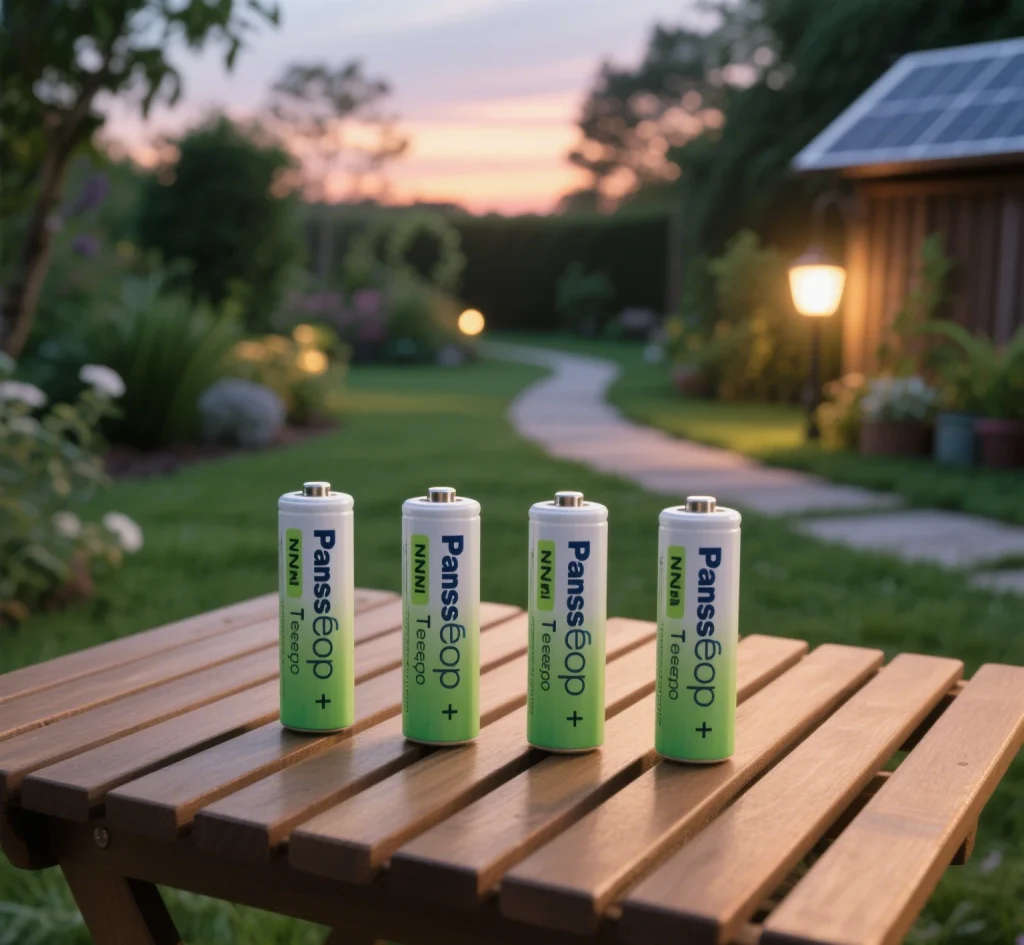
Why Rechargeable AA Batteries Are Essential for Solar Lights
Solar lights rely on batteries to store energy captured by photovoltaic panels during the day, releasing it to power LEDs at night. Rechargeable AA batteries for solar lights are a preferred choice due to their widespread compatibility, affordability, and environmental benefits. Unlike single-use alkaline batteries, rechargeable AA batteries can be reused hundreds of times, reducing waste and long-term costs for homeowners lighting pathways in places like Denver or gardens in Savannah.
These batteries are also easy to replace, available at most hardware stores, and come in standard sizes that fit a wide range of solar light models. Their ability to handle repeated charge-discharge cycles makes them ideal for the daily demands of solar lighting, especially in regions with variable weather, like Seattle or Buffalo, where consistent performance is crucial.
Core Characteristics of Rechargeable AA Batteries for Solar Lights
Understanding the features of rechargeable AA batteries for solar lights helps users select models that ensure reliable illumination. Two primary types dominate the market: nickel-metal hydride (NiMH) and lithium-ion (Li-ion), each with distinct advantages.
Battery Chemistry and Performance
NiMH batteries are the most common choice for solar lights due to their balance of cost and performance. They typically offer capacities between 600mAh and 2400mAh, sufficient to power a 50-200 lumen light for 8-12 hours after a full charge. NiMH batteries perform well in moderate climates, like those in Raleigh, but may lose efficiency below 32°F, making them less ideal for colder areas like Minnesota.
Lithium-ion AA batteries, though less common, provide higher energy density and better cold-weather performance, maintaining capacity down to -4°F. They are pricier but suit high-performance solar lights used in security applications, such as floodlights in a Chicago driveway. Both types support the cyclic charging needs of solar lights, but their performance varies based on environmental conditions and light design.
Voltage and Compatibility
Rechargeable AA batteries for solar lights typically operate at 1.2V for NiMH or 3.7V for lithium-ion, compared to 1.5V for standard alkaline AA batteries. Most solar lights are designed to accommodate this slight voltage difference, but checking compatibility is essential. Some lights, especially budget models, may dim or flicker with 1.2V NiMH batteries if not properly calibrated. High-quality lights, common in brands sold in stores in Phoenix or Portland, adjust automatically to ensure consistent output.
Cycle Life and Self-Discharge
Cycle life—the number of charge-discharge cycles a battery can endure—is a key metric. Top-tier rechargeable AA batteries for solar lights offer 500-1,000 cycles, equating to 2-3 years of daily use. NiMH batteries have a higher self-discharge rate, losing 1-2% of charge daily when idle, which can be an issue for lights used sporadically in a vacation home in Asheville. Low self-discharge (LSD) NiMH batteries, labeled as “pre-charged” or “ready-to-use,” retain 80-90% of their charge after months of storage, making them ideal for seasonal use.
Key Considerations for Choosing Rechargeable AA Batteries
Selecting the best rechargeable AA batteries for solar lights involves evaluating capacity, brand reliability, and environmental suitability to match your lighting needs.
Capacity and Runtime Needs
Battery capacity, measured in milliampere-hours (mAh), determines how long a light can operate. For low-output decorative lights (20-50 lumens), 600-1000mAh batteries suffice, suitable for small gardens in places like Santa Fe. Higher-output lights, like 200-lumen pathway lights in a suburban Atlanta yard, require 2000mAh or more to ensure 8-10 hours of illumination. Check your light’s manual for recommended capacity to avoid under- or over-powering the system.
Brand and Quality Assurance
Opt for reputable brands with proven track records, as low-quality batteries may have inconsistent capacity or shorter lifespans. Look for batteries with third-party certifications, such as UL or CE, ensuring safety and performance. Customer reviews from users in similar climates, like snowy Syracuse or humid Miami, can guide your choice. Avoid generic or unbranded batteries, which may fail prematurely in demanding conditions.
Environmental Resilience
Consider your local climate when choosing batteries. For cold regions like Fargo, prioritize lithium-ion or low-temperature NiMH batteries that maintain performance below freezing. In hot, sunny areas like Tucson, select batteries with heat-resistant casings to prevent degradation. Batteries with robust construction and leak-proof designs are essential for lights exposed to rain or snow, ensuring reliability in coastal areas like Charleston.
Practical Tips for Battery Replacement and Maintenance
Proper handling and care of rechargeable AA batteries for solar lights extend their lifespan and maintain light performance. These tips simplify replacement and upkeep.
Replacing Batteries
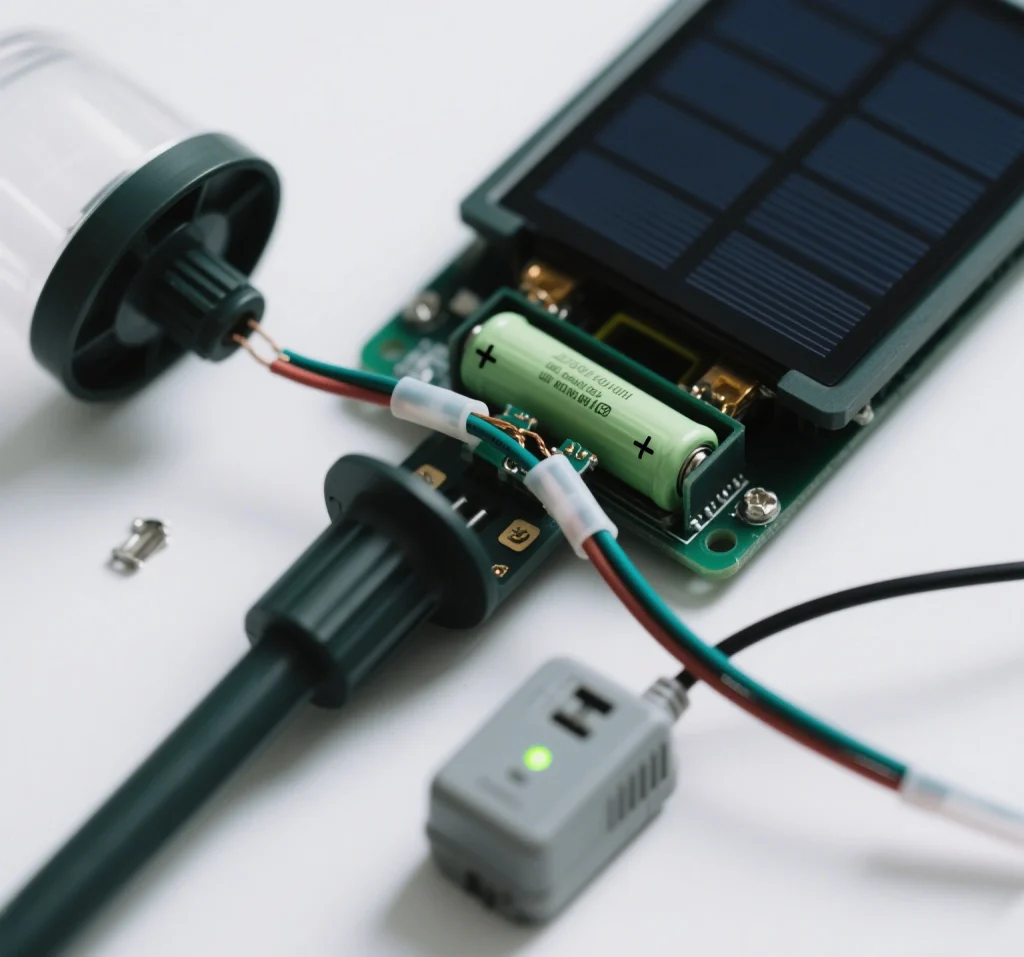
Most solar lights have accessible battery compartments, often located behind a screw-on cap or panel. Use a small screwdriver to open the compartment, noting the battery orientation (+/-) to avoid incorrect installation. Replace all batteries at once to ensure balanced performance, as mixing old and new batteries can reduce efficiency. For example, in a set of pathway lights in a Boise backyard, replacing only one battery may cause uneven brightness.
Store spare batteries in a cool, dry place, ideally at 50-70°F, to minimize self-discharge. For seasonal lights, remove batteries during off-season storage to prevent corrosion, especially in humid climates like New Orleans.
Daily Maintenance Practices
Regularly inspect battery terminals for corrosion, particularly after heavy rain or snow. Clean terminals with a cotton swab dipped in vinegar or a mild baking soda solution, drying thoroughly before reinserting batteries. Check the solar light’s seals and gaskets to prevent moisture ingress, which can damage batteries in wet regions like Portland.
Recharge batteries fully every 3-6 months, even if not in use, to prevent deep discharge. Use a compatible AA battery charger with smart charging features to avoid overcharging, which can reduce cycle life. For lights used daily, like security lights in a Cleveland driveway, cycle batteries through a charger annually to refresh their capacity.
Key Factors Affecting Battery Lifespan
Several factors influence the longevity of rechargeable AA batteries for solar lights, from environmental conditions to usage patterns. Understanding these helps maximize performance.
Temperature Extremes
Extreme temperatures accelerate battery wear. Prolonged exposure to sub-zero temperatures, common in places like Montana, can reduce NiMH battery capacity by up to 20%. Similarly, high temperatures above 100°F, as seen in Austin summers, can cause electrolyte degradation in lithium-ion batteries. Store and operate batteries within their rated temperature range (typically -4°F to 140°F for lithium-ion, 32°F to 113°F for NiMH) to preserve lifespan.
Overcharging and Deep Discharge
Solar lights with poor charge controllers may overcharge batteries, leading to overheating and reduced cycle life. Conversely, allowing batteries to fully discharge repeatedly, especially in low-light winter months in areas like upstate New York, can cause permanent capacity loss. High-quality solar lights include built-in charge regulation, but using an external smart charger for periodic maintenance can mitigate these risks.
Usage Frequency and Charging Patterns
Frequent partial charging, common in solar lights that charge daily, can stress batteries over time. NiMH batteries are less sensitive to this than older nickel-cadmium (NiCd) batteries, but consistent partial charging may still reduce capacity after 1-2 years. To counter this, occasionally allow batteries to discharge fully (without reaching 0%) before recharging, especially for lights used intermittently in a vacation home in the Adirondacks.
Quality of Solar Light Design
The solar light’s design impacts battery performance. Low-quality lights with inefficient panels or poor charge controllers, often found in budget models, may undercharge batteries, reducing runtime. For example, a poorly designed light in a cloudy Seattle yard may fail to fully charge its batteries, leading to premature failure. Invest in lights with efficient monocrystalline panels and robust electronics to support battery longevity.
Conclusion
Rechargeable AA batteries for solar lights are the backbone of reliable outdoor illumination, offering sustainability and versatility. By understanding their necessity, key characteristics, selection criteria, maintenance practices, and lifespan factors, users can ensure their solar lights perform consistently. Whether illuminating a garden in Miami or a pathway in Minneapolis, choosing and caring for the right batteries keeps your outdoor spaces vibrant and eco-friendly.
Leave a Reply