
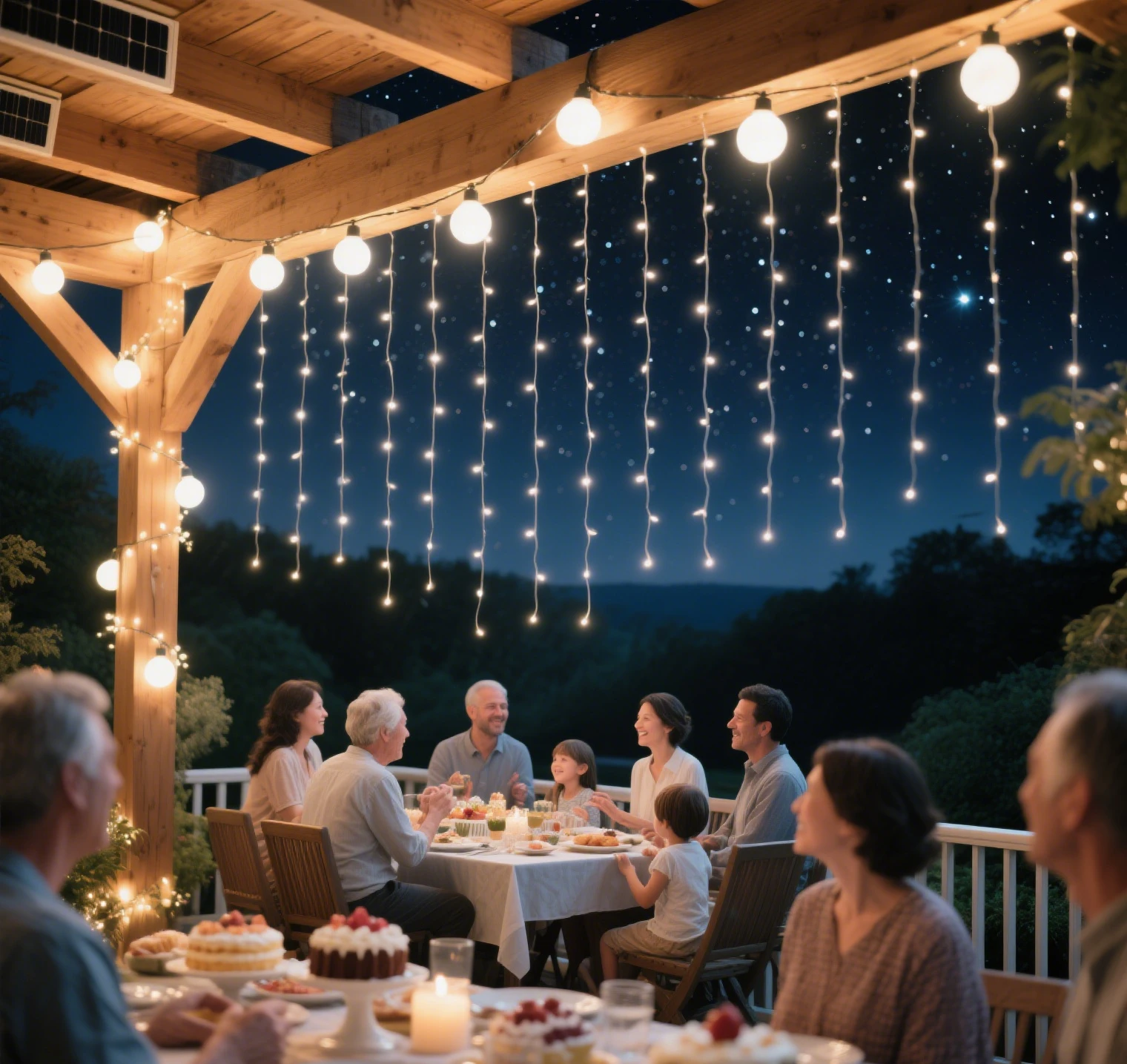
Solar powered LED strip lights have become a go-to lighting solution for American homeowners, from vibrant urban patios in California to quiet rural backyards in Ohio. These eco-friendly, versatile lights combine the energy efficiency of LEDs with the renewable power of solar energy, offering a sustainable way to illuminate outdoor spaces without spiking your electricity bill. Whether you’re looking to enhance your garden, deck, or pathway, understanding how to install, optimize, and maintain solar powered LED strip lights is key to getting the most out of them. In this guide, we’ll cover the essentials: choosing the right installation spots, boosting battery life, adapting to various settings, troubleshooting connection issues, and ensuring weather resistance—all tailored for users across the U.S.
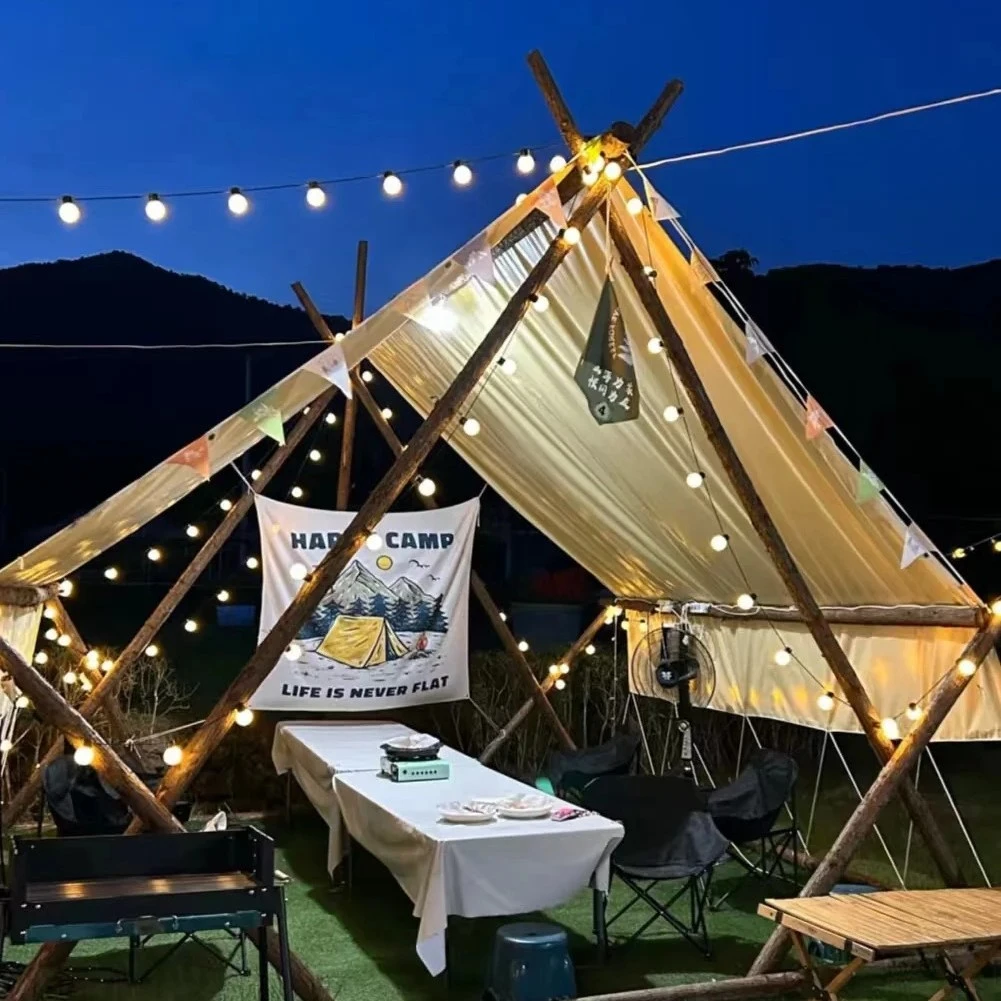
Choosing the Right Installation Location
The success of your solar powered LED strip lights starts with where you place them. Since these lights rely on solar panels to generate power, positioning is critical.
- Maximize Sun Exposure: Place the solar panel in a spot that gets at least 6-8 hours of direct sunlight daily. In sunny states like Arizona or Texas, this is often straightforward, but in cloudier regions like Washington, you may need to avoid shaded areas under trees or overhangs. For example, a homeowner in Phoenix might mount the panel on a south-facing roof, while someone in Seattle should prioritize open, unshaded spaces.
- Strip Light Placement: The LED strips themselves should be installed where they’ll have the most impact—along pathways, under railings, or around patios. Ensure the strips are within the cable length of the solar panel (usually 10-16 feet). In humid Florida, avoid low-lying areas where water might pool and damage the strips.
- Consider Accessibility: Place the panel and battery pack where you can easily check or clean them. A cluttered backyard in suburban New Jersey might require mounting the panel higher to avoid debris or curious pets.
Proper placement ensures your solar powered LED strip lights shine brightly and charge efficiently, no matter your location.
Optimizing Battery Life and Performance
To keep your solar powered LED strip lights glowing through the night, you need to maximize their battery life. Here’s how to optimize their performance.
- Clean the Solar Panel Regularly: Dust, pollen, or snow can block sunlight, reducing charging efficiency. In dusty Nevada or pollen-heavy Georgia, wipe the panel monthly with a damp cloth and mild soap. This small step can significantly boost power intake.
- Use Energy-Saving Modes: Many solar powered LED strip lights, like those from brands such as Brightech or Lemontec (popular in the U.S.), come with dimming or motion-sensor modes. Activating these conserves battery life, especially during shorter winter days in Minnesota.
- Upgrade Battery Capacity: If your lights don’t last through the night, consider models with replaceable batteries or add a higher-capacity battery pack (check compatibility). For instance, a user in Michigan might swap in a larger battery to handle long, cloudy winter days.
- Store During Extreme Seasons: In areas like North Dakota with harsh winters, store the lights indoors during off-seasons to protect the battery from freezing temperatures, which can degrade its lifespan.
These steps ensure your lights stay bright, even in less-than-ideal conditions.
Adapting to Different Scenarios
Solar powered LED strip lights are incredibly versatile, fitting a range of outdoor settings across American homes. Here are tailored solutions for common scenarios.
- Garden and Pathway Lighting: In suburban areas like those in Virginia, wrap strips around garden beds or along walkways for a soft, inviting glow. Use stakes or clips to secure the strips, and opt for warm white LEDs for a cozy vibe. Ensure the solar panel is placed nearby in a sunny spot.
- Deck and Patio Enhancement: For urban rooftops in New York or spacious decks in Colorado, run solar powered LED strip lights under railings or along furniture edges. Choose RGB (color-changing) strips for festive occasions, like Fourth of July parties, to add flair.
- Security Lighting: In rural Texas or coastal Maine, use motion-activated solar powered LED strip lights around entryways or sheds. Position the strips to highlight potential tripping hazards or deter intruders, pairing them with a panel in an unobstructed, sunny location.
- Holiday Decor: During Christmas in Illinois or Halloween in Oregon, drape strips around trees or fences for a festive touch. Waterproof models with timers work best to withstand unpredictable weather.
By matching the setup to your specific needs, you can make the most of these versatile lights.
Troubleshooting Common Connection Issues
Nothing’s more frustrating than solar powered LED strip lights that flicker or won’t turn on. Connection issues are a common culprit, but they’re often easy to fix with a systematic approach.
- Check Cable Connections: Loose or corroded connectors between the solar panel, battery, and LED strips can disrupt power. In salty coastal areas like California’s Bay Area, corrosion is common—clean connectors with a dry cloth or replace damaged cables.
- Inspect the Battery: A faulty or drained battery might be the issue. Test the battery with a multimeter (available at hardware stores like Ace Hardware) or replace it if it’s old. This is especially relevant in hot climates like Arizona, where heat can degrade batteries faster.
- Verify Solar Panel Output: If the panel isn’t charging, ensure it’s clean and not shaded. Use a voltmeter to check if it’s generating power (most panels output 5-12V). A user in cloudy Wisconsin might need to reposition the panel to catch more sun.
- Reset the System: Some models have a reset button or require unplugging and replugging the battery. Refer to the manual (often available online for brands like Sunforce) for specific steps.
By methodically checking these points, you can restore your lights to full function.
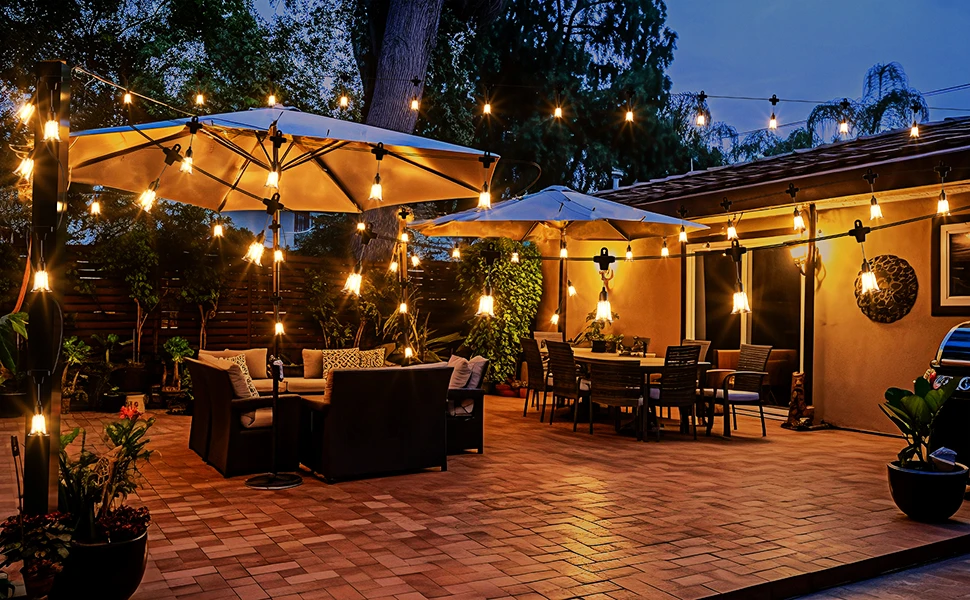
Outdoor Weather Resistance Maintenance Tips
Outdoor solar powered LED strip lights face everything from scorching Texas summers to icy Maine winters. Proper maintenance ensures they stay durable and functional.
- Choose High IP-Rated Models: Look for lights with an IP65 or higher rating for water and dust resistance. This is crucial in rainy regions like Louisiana or snowy areas like Colorado. Brands like Govee or Enbrighten, popular in the U.S., often advertise these ratings.
- Seal Connections: Apply waterproof silicone sealant (available at Home Depot) around cable connections to prevent moisture ingress. This is especially important in humid Florida or after heavy storms in the Midwest.
- Protect Against UV Damage: Prolonged sun exposure in states like Nevada can fade or crack plastic components. Use UV-resistant tape or coatings on exposed parts, or position strips in partially shaded areas to extend their life.
- Regular Inspections: Check for wear after extreme weather, like hurricanes in the Southeast or blizzards in the Northeast. Look for cracked casings or loose seals, and replace damaged parts promptly to avoid water damage.
With these maintenance habits, your lights will withstand the toughest American weather.
Conclusion
Solar powered LED strip lights are a fantastic way to illuminate your outdoor spaces while saving energy and embracing sustainability. By choosing the right installation spots, optimizing battery performance, adapting to your specific needs, troubleshooting connection issues, and maintaining weather resistance, you can ensure these lights shine brightly for years. Whether you’re lighting a cozy patio in California, a festive holiday display in Illinois, or a secure pathway in Texas, these tips will help you get the most out of your investment. With a little care and planning, your solar powered LED strip lights will transform your outdoor spaces into vibrant, eco-friendly havens.
Leave a Reply