
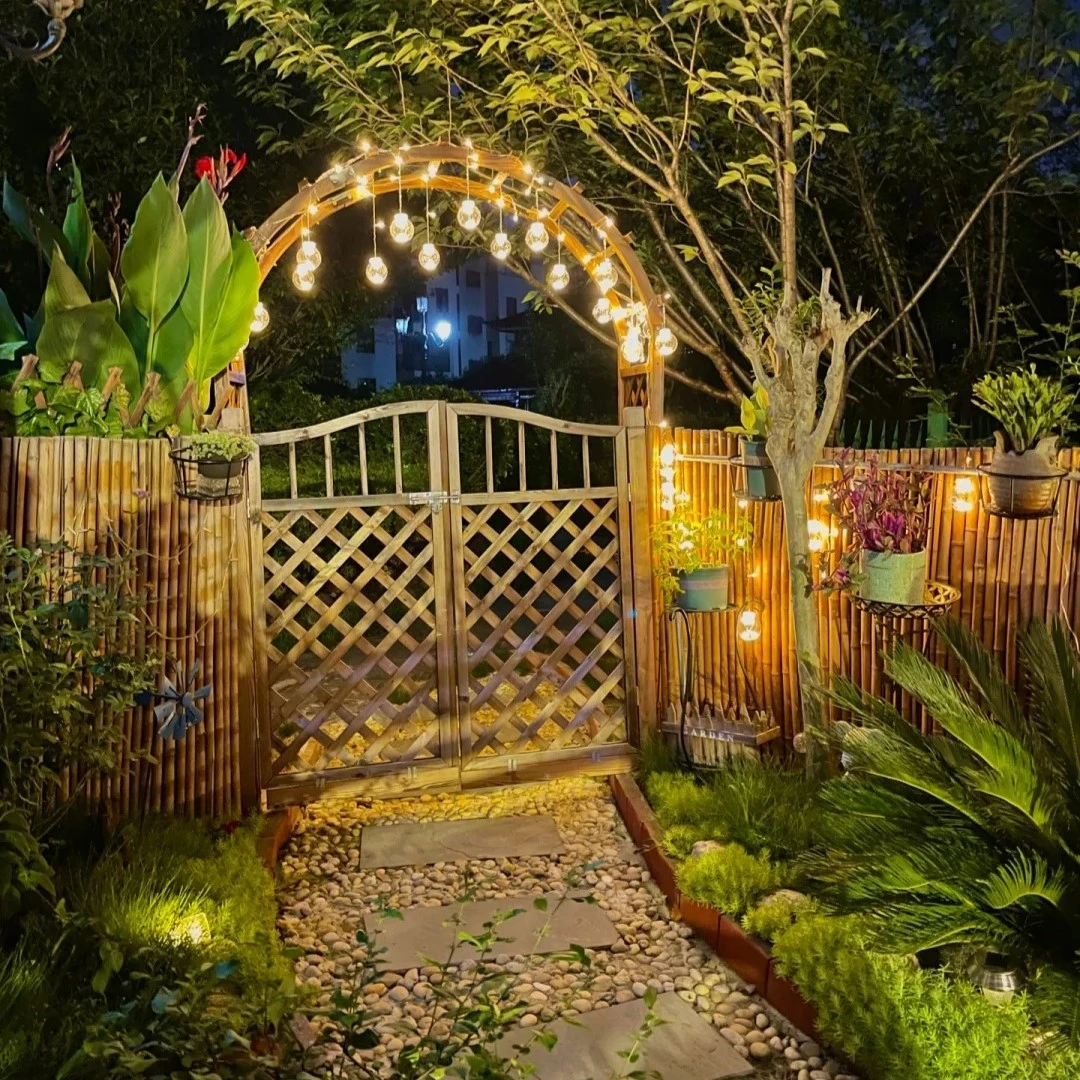
Garden solar lights have become a popular choice for eco-conscious homeowners looking to illuminate their outdoor spaces without increasing energy bills. These lights harness the sun’s energy to provide sustainable, cost-effective lighting for gardens, pathways, and patios. A common question among users is: do solar lights charge when turned off? This article dives deep into the mechanics of solar garden lights, their charging behavior, and practical tips to maximize their efficiency, drawing on insights from solar technology and real-world applications.

How Do Solar Garden Lights Work?
To understand whether solar lights charge when turned off, it’s essential to grasp how these devices function. Solar-powered garden lights consist of four key components:
- Solar panel: A photovoltaic (PV) panel that converts sunlight into electrical energy via the photovoltaic effect.
- Rechargeable battery: Typically nickel-metal hydride (NiMH) or lithium-ion, it stores energy for nighttime use.
- LED light: The energy-efficient light source that illuminates when activated.
- Photoreceptor (light sensor): Detects ambient light levels to automatically turn the light on at dusk and off at dawn.
During the day, the solar panel absorbs sunlight, converting it into direct current (DC) electricity, which charges the battery. At night, the photoreceptor detects low light levels and triggers the LED to draw power from the battery. This automated system ensures energy-efficient outdoor lighting without manual intervention. But what happens when the light is manually switched off?
Do Solar Lights Charge When Turned Off?
The short answer is: Yes, solar lights charge when turned off, but the specifics depend on the light’s design. Most solar garden lights are equipped with an on/off switch, which primarily controls the LED’s operation, not the charging process. When the switch is in the “off” position, the solar panel continues to absorb sunlight and charge the battery, as the charging circuit is typically independent of the light’s operational state. This is a critical feature for energy conservation, allowing users to store energy for later use, such as during a special event or after prolonged cloudy weather.
However, some models require the switch to be in the “on” position for the photoreceptor to function correctly, which may indirectly affect charging efficiency. For instance, certain solar LED lights rely on the sensor to regulate the charging cycle, ensuring optimal energy storage. Always consult the manufacturer’s guidelines to confirm whether the switch position impacts charging, as designs vary.
Why Do Solar Lights Have an On/Off Switch?
The presence of an on/off switch on solar-powered garden lights often puzzles users, given their automated nature. There are several reasons for this feature:
- Energy conservation: Turning off the light prevents the battery from discharging at night, allowing it to store energy for future use, such as during a garden party or in winter when sunlight is scarce.
- Deep charging: Switching off the light for 1-3 days enables a deep charge, which can enhance battery performance, especially after extended periods of low sunlight.
- Manual control: The switch offers flexibility, letting users decide when the light operates, which is useful for indoor use or when storing the lights.
- Resetting the system: A quick off/on cycle (about 20 seconds) can reset the internal circuitry, addressing minor glitches.
This functionality enhances the practicality of solar outdoor lighting, making it adaptable to various scenarios while promoting sustainable lighting solutions.
Factors Affecting Solar Light Charging
Several factors influence how effectively solar garden lights charge, whether turned on or off:
1. Sunlight Exposure
Solar panels require adequate sunlight to charge efficiently. For optimal performance, place lights in areas with direct sunlight for 6-10 hours daily. Shaded areas, such as under trees or near tall structures, can reduce charging efficiency, leading to dimmer lights or shorter runtimes. In the Northern Hemisphere, angle panels southward; in the Southern Hemisphere, northward to maximize exposure.
2. Weather Conditions
Solar lights charge on cloudy days, but the efficiency is lower due to reduced light intensity. Cold temperatures can enhance solar panel efficiency, but snow or debris on the panel can block sunlight. Regular cleaning with a damp cloth and mild soap ensures optimal performance, especially in winter.
3. Battery Quality
The rechargeable battery is the heart of energy storage. NiMH and lithium-ion batteries typically last 1-3 years, depending on usage and maintenance. High-quality batteries, like those used in premium solar LED lights, can withstand up to 5,000 charge cycles, offering longer-lasting illumination.
4. Photoreceptor Sensitivity
The photoreceptor plays a vital role in detecting light levels, ensuring the battery charges even when the light is off. However, exposure to artificial light sources (e.g., streetlights) at night can confuse the sensor, causing the light to remain off or flicker. Position lights away from such sources to maintain efficiency.

Tips to Optimize Charging for Solar Garden Lights
To get the most out of your solar-powered garden lights, follow these practical tips:
- Position strategically: Place lights in sunny, unshaded areas. Adjust the ** solar panel** angle seasonally to capture maximum sunlight.
- Clean regularly: Wipe panels with a damp cloth to remove dust, dirt, or snow, ensuring unobstructed sunlight absorption.
- Turn off periodically: Allow a deep charge by switching off the lights for 36-72 hours, especially after cloudy days or in winter.
- Check the battery: Replace batteries every 1-2 years or when you notice reduced runtime. Use high-quality NiMH or lithium-ion batteries for better performance.
- Avoid artificial light interference: Keep lights away from streetlights or porch lights to prevent sensor confusion.
- Use alternative charging methods: Some solar LED lights offer USB charging as a backup for prolonged cloudy periods. This is particularly useful for indoor solar lighting applications.
Common Misconceptions About Solar Light Charging
Several myths surround solar garden lights and their charging behavior:
- Myth 1: Solar lights don’t charge when turned off. As discussed, most solar lights charge when turned off, as the charging circuit operates independently of the LED.
- Myth 2: Daily switching off shortens battery life. Occasional deep charging by turning off the light can actually extend battery life by preventing over-discharge.
- Myth 3: Solar lights need direct sunlight to charge. While direct sunlight is ideal, solar panels can still charge under indirect light, though less efficiently.
Advantages of Using Solar Garden Lights
Solar-powered garden lights offer numerous benefits, making them a top choice for eco-friendly outdoor lighting:
- Cost-effective: No electricity bills, as they rely solely on solar energy.
- Easy installation: No wiring or electrical setup required, making them ideal for DIY projects.
- Environmentally friendly: They reduce carbon footprints by using renewable energy.
- Versatile: Available in various designs, from solar string lights to solar post lights, they suit decorative and functional needs.
However, limitations include dependency on sunlight and the need for periodic battery replacement. Choosing high-quality models with efficient solar panels and durable batteries mitigates these drawbacks.
Maintaining Solar Garden Lights for Longevity
Proper maintenance ensures solar garden lights perform reliably for years:
- Clean panels regularly: Dust and debris can reduce charging efficiency. A quick wipe every few weeks keeps panels effective.
- Store properly in extreme conditions: While solar lights are weather-resistant, prolonged exposure to freezing temperatures or heavy rain may damage internal components. Store lights indoors during harsh winters or remove batteries if not in use for extended periods.
- Replace batteries as needed: Monitor light performance and replace batteries when runtime decreases significantly.
- Inspect for damage: Check for corrosion, water ingress, or loose connections, especially after stormy weather.
Unique Applications of Solar Lights
Beyond traditional garden use, solar-powered lights offer innovative applications:
- Indoor solar lighting: Lightweight solar garden lights can be brought indoors and charged near windows or with USB chargers for ambient lighting in sunrooms or cozy corners.
- Event lighting: Store energy by keeping lights off during the day, then use them for evening gatherings to create a warm, inviting atmosphere.
- Emergency lighting: In power outages, solar LED lights with charged batteries can provide temporary illumination.
Conclusion
Do solar lights charge when turned off? In most cases, yes, allowing for energy conservation and flexibility in usage. By understanding the mechanics of solar garden lights, positioning them strategically, and maintaining them properly, you can maximize their efficiency and lifespan. Whether you’re illuminating a pathway, decorating a patio, or exploring indoor solar lighting, these eco-friendly solutions offer a sustainable way to enhance your outdoor spaces. Invest in high-quality solar-powered garden lights, follow maintenance best practices, and enjoy years of reliable, cost-free illumination.
Leave a Reply