
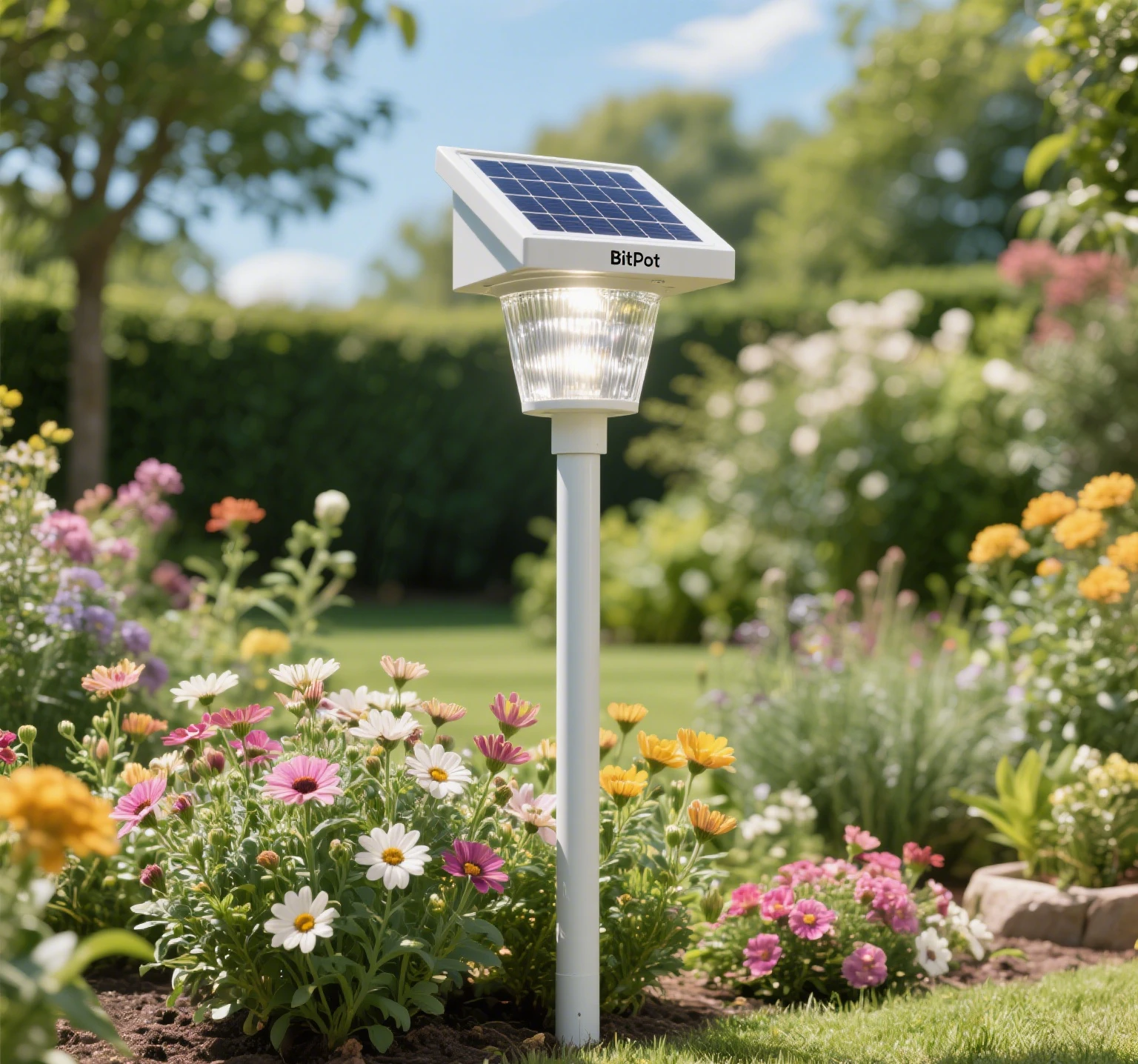
Solar garden lights have become a popular choice for homeowners and landscapers seeking eco-friendly, cost-effective lighting solutions. Powered by renewable solar energy, these lights offer an attractive way to illuminate gardens, pathways, and outdoor spaces without increasing electricity bills or carbon footprints. However, as their use becomes more widespread, concerns have emerged about their potential impact on wildlife. This article explores whether solar garden lights are harmful to wildlife, with a focus on the products themselves, their design, and their effects on ecosystems. By examining the characteristics of solar garden lights, their interaction with wildlife, and potential mitigation strategies, we aim to provide a comprehensive understanding of this complex issue.
Understanding Solar Garden Lights
What Are Solar Garden Lights?
Solar garden lights are outdoor lighting fixtures that harness solar energy to power LED or other light sources. Typically, these lights consist of a solar panel, a rechargeable battery, a light source (usually LED), and a photosensor to control operation. During the day, the solar panel converts sunlight into electricity, which is stored in the battery. At night, the battery powers the light, often automatically triggered by the photosensor when ambient light levels drop.
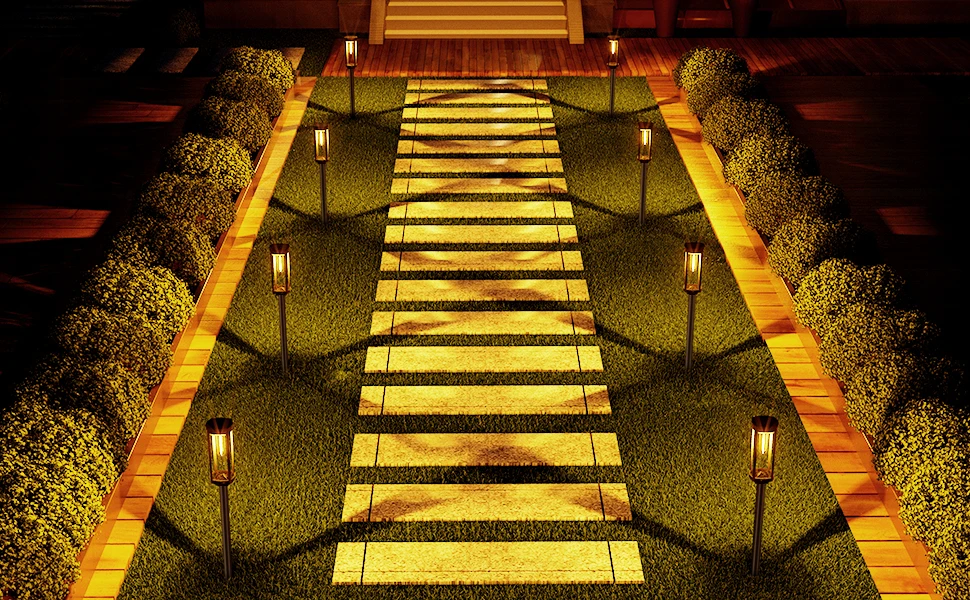
These lights come in various forms, including stake lights for pathways, wall-mounted lights, string lights, and decorative lanterns. They are marketed for their environmental benefits, ease of installation, and low maintenance, making them a staple in modern garden design.
Common Features of Solar Garden Lights
- Light Source: Most solar garden lights use LEDs due to their energy efficiency and long lifespan. LEDs can emit light in various colors, with white and cool-white being the most common.
- Brightness and Intensity: Measured in lumens, the brightness of solar garden lights typically ranges from 10 to 200 lumens for residential models, though some high-powered models exceed this.
- Operation Time: Depending on battery capacity and sunlight exposure, these lights can operate for 6–12 hours per night.
- Design Variations: Products vary in design, from low-profile pathway lights to brighter floodlights or decorative fixtures, each with different light output and coverage areas.
Environmental Appeal
Solar garden lights are often promoted as environmentally friendly because they rely on renewable energy and reduce reliance on fossil fuel-based electricity. However, their ecological impact extends beyond energy use, particularly when considering their interaction with wildlife.
Potential Impacts of Solar Garden Lights on Wildlife
The primary concern regarding solar garden lights and wildlife centers on light pollution—the excessive or misdirected artificial light that disrupts natural darkness. Wildlife, including insects, birds, mammals, and amphibians, often relies on natural light cues for behaviors such as foraging, mating, migration, and resting. Artificial light from solar garden lights can interfere with these behaviors, potentially causing harm.
Effects on Insects
Insects, particularly nocturnal ones like moths, fireflies, and beetles, are highly sensitive to artificial light due to their phototaxis—the tendency to move toward or away from light sources. Solar garden lights, especially those emitting bright white or blue-toned LEDs, can attract insects, leading to several consequences:
- Attraction and Exhaustion: Insects may be drawn to the light and expend energy circling it, leading to exhaustion or increased predation risk. For example, moths may become trapped in a cycle of orbiting the light, unable to feed or reproduce effectively.
- Disruption of Fireflies: Fireflies use bioluminescent signals for mating. Bright artificial lights can drown out these signals, reducing mating success and impacting population sizes. Posts on X have highlighted concerns that solar-powered LED lights contribute to light pollution, harming firefly populations by disrupting their communication.
- Ecosystem Ripple Effects: Insects are a critical food source for birds, bats, and amphibians. Disrupting insect behavior can reduce food availability for these species, affecting broader food webs.
Effects on Birds
Many bird species rely on darkness for navigation, especially during migration. Artificial light can disorient birds, causing them to collide with structures or deviate from migration routes. While solar garden lights are typically low to the ground and less intense than streetlights, their cumulative effect in suburban areas can contribute to light pollution. For example:
- Migration Disruption: Migratory birds may become confused by artificial lights, expending energy on altered routes or becoming more vulnerable to predators.
- Behavioral Changes: Nocturnal birds, such as owls, may avoid brightly lit areas, reducing their hunting grounds.
Effects on Mammals
Nocturnal mammals, such as bats, hedgehogs, and small rodents, are adapted to low-light environments. Solar garden lights can alter their behavior in several ways:
- Foraging Disruption: Bats, which rely on echolocation to hunt insects, may avoid areas with bright lights, as these can reduce insect prey availability or interfere with their sensory systems.
- Habitat Fragmentation: Continuous lighting in gardens can create barriers for small mammals, limiting their movement and access to resources.
Effects on Amphibians and Reptiles
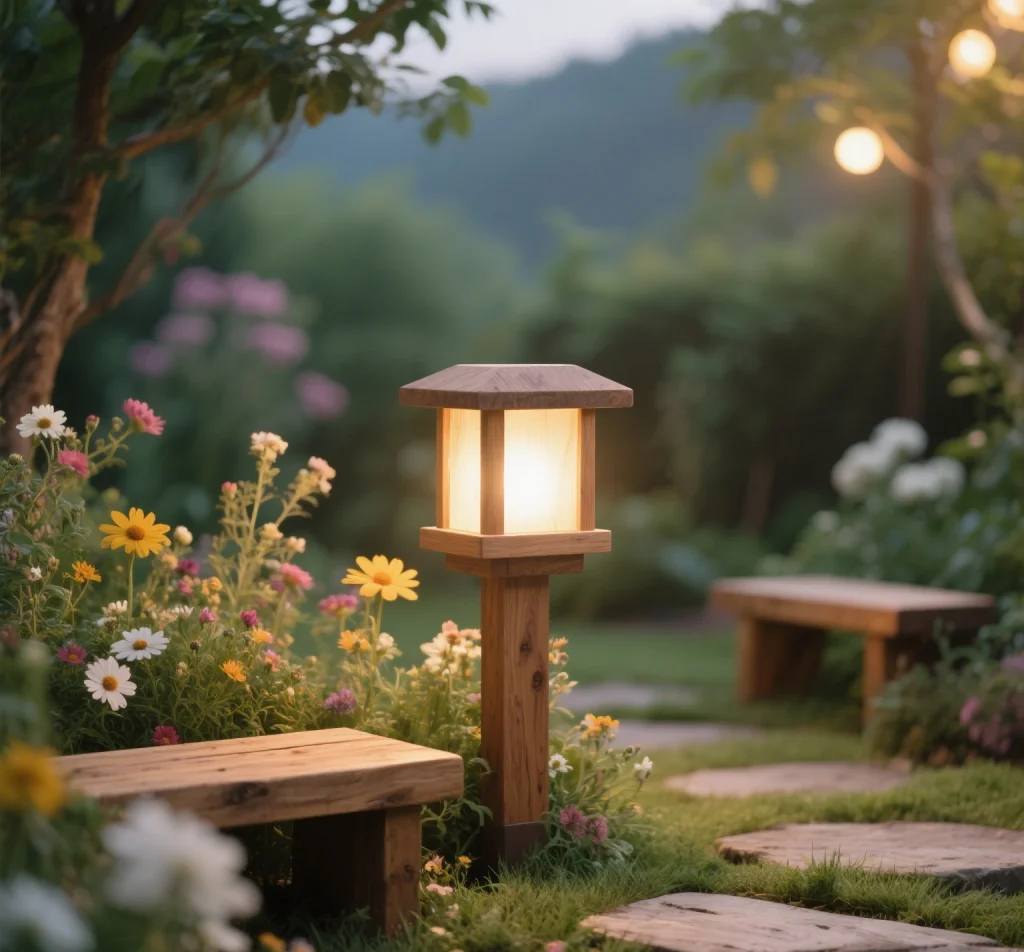
Amphibians like frogs and toads, as well as reptiles such as turtles, are also affected by artificial light:
- Breeding Disruption: Frogs often rely on darkness for breeding activities. Bright lights can suppress mating calls or alter breeding site selection.
- Sea Turtle Nesting: While less relevant to garden lights, coastal areas with solar-powered lights may affect sea turtle hatchlings, which use moonlight to navigate to the sea. Artificial light can lead them inland, increasing mortality.
Comparison with Solar Insect Traps
It’s worth distinguishing solar garden lights from solar-powered insect traps, which are designed to attract and kill insects using UV or purple light and mechanisms like electric grids or water traps. While these traps target pests, they can also harm beneficial insects like pollinators, further disrupting ecosystems. For example, solar insect traps may reduce populations of frogs, dragonflies, and other insect-eating species by limiting their food sources.
Product Design and Its Role in Wildlife Impact
The impact of solar garden lights on wildlife largely depends on their design and usage. Key factors include:
Light Color and Spectrum
The color temperature of LEDs, measured in Kelvin (K), significantly affects wildlife. Cool-white LEDs (5000–6500K) emit blue-heavy light, which is particularly attractive to insects and disruptive to nocturnal animals. Warm-white LEDs (2700–3000K) are less harmful, as they mimic natural moonlight or firelight and are less likely to attract insects.
Brightness and Directionality
High-lumen lights increase light pollution, affecting a larger area. Many solar garden lights are omnidirectional, spreading light in all directions, including upward, contributing to skyglow. Directed or shielded lights, which focus light downward, minimize this impact.
Timing and Control
Lights that remain on all night exacerbate disruption. Some solar garden lights include timers or motion sensors, which reduce unnecessary illumination. However, budget models often lack these features, staying on from dusk to dawn.
Placement and Density
The placement of lights in gardens can amplify their impact. Lights near water bodies, dense vegetation, or wildlife habitats are more likely to disturb sensitive species. High densities in suburban neighborhoods can create cumulative light pollution, even if individual lights are low-powered.
Mitigation Strategies for Eco-Friendly Solar Garden Lights
To minimize the impact of solar garden lights on wildlife, manufacturers and consumers can adopt several strategies:
Choosing Wildlife-Friendly Designs
- Warm-White LEDs: Opt for lights with a color temperature of 2700–3000K to reduce attraction to insects and disruption to nocturnal animals.
- Low Lumen Output: Select lights with lower brightness (10–50 lumens) for decorative purposes, reserving brighter lights for essential safety areas.
- Shielded Fixtures: Use lights with shields or reflectors to direct light downward, reducing skyglow and spillover into natural habitats.
Smart Controls
- Motion Sensors: Lights that activate only when needed reduce overall light pollution.
- Timers: Programming lights to turn off after midnight or operate for shorter durations minimizes disruption during critical wildlife activity periods.
Strategic Placement
- Avoid Sensitive Areas: Place lights away from ponds, trees, or other wildlife habitats to reduce interference with breeding or foraging.
- Limit Density: Use fewer lights to achieve the desired effect, avoiding over-illumination of garden spaces.
Consumer Awareness
Educating consumers about the ecological impacts of solar garden lights can encourage better purchasing decisions. Manufacturers can include wildlife-friendly guidelines in product packaging or marketing materials.
Case Studies and Real-World Observations
Firefly Declines
Research and anecdotal evidence, including posts on X, suggest that artificial lighting, including solar garden lights, contributes to firefly population declines. In areas with heavy light pollution, firefly mating signals are less effective, leading to reduced reproduction. Choosing warm-white, low-intensity lights can mitigate this issue.
Urban and Suburban Gardens
In suburban neighborhoods, the cumulative effect of multiple households using solar garden lights can create significant light pollution. A study in the UK found that urban light pollution disrupts bat foraging patterns, with implications for insect populations. Using shielded, low-intensity solar lights can help balance aesthetic needs with ecological considerations.
Balancing Human Needs and Wildlife Protection
Solar garden lights offer undeniable benefits: they enhance safety, improve aesthetics, and reduce energy costs. However, their widespread use requires careful consideration of their ecological footprint. By prioritizing wildlife-friendly designs and usage practices, consumers can enjoy the advantages of solar lighting while minimizing harm to ecosystems.
Recommendations for Manufacturers
- Develop Wildlife-Safe Products: Invest in R&D to create LEDs with spectra less disruptive to wildlife, such as amber or red-toned lights.
- Incorporate Smart Features: Standardize motion sensors and timers in all models to reduce unnecessary illumination.
- Labeling and Certification: Introduce eco-labels to guide consumers toward wildlife-friendly products, similar to energy efficiency ratings.
Recommendations for Consumers
- Research Before Buying: Choose products with warm-white LEDs, low lumens, and smart controls.
- Limit Use: Use solar lights sparingly and only where necessary, such as for safety along pathways.
- Advocate for Change: Support policies and initiatives that promote dark-sky preservation and wildlife-friendly lighting.
Conclusion
Solar garden lights are not inherently bad for wildlife, but their impact depends on their design, placement, and usage. Bright, cool-white LEDs left on all night can disrupt insects, birds, mammals, and amphibians by contributing to light pollution. However, with thoughtful product design—such as warm-white LEDs, shielded fixtures, and smart controls—and responsible consumer practices, these impacts can be significantly reduced. As solar garden lights continue to gain popularity, manufacturers and users must work together to ensure that these eco-friendly products do not come at the expense of wildlife. By making informed choices, we can illuminate our gardens while preserving the natural rhythms of the ecosystems we share.
Leave a Reply