
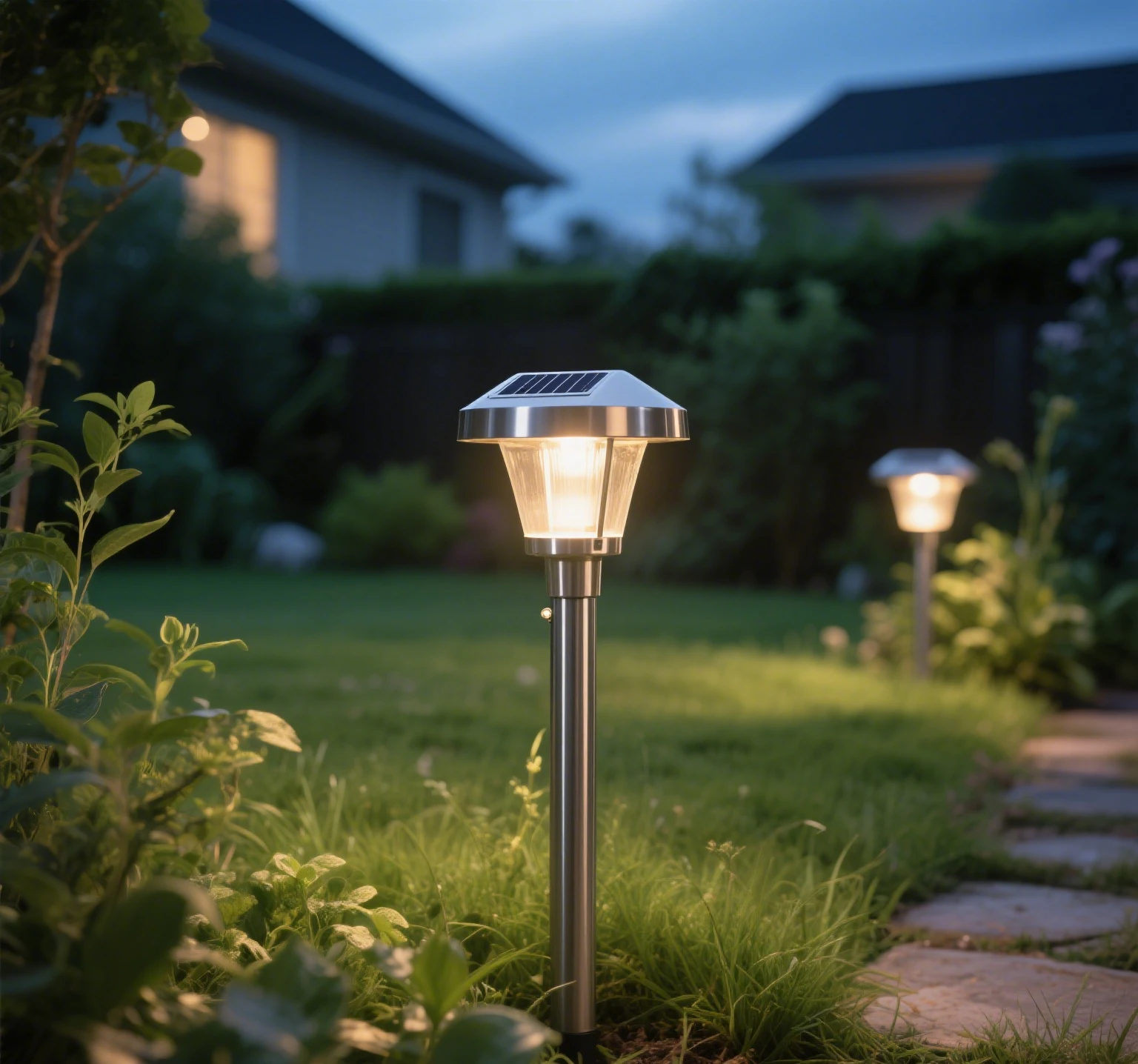
Solar-powered flood lights have become a popular choice for homeowners and businesses seeking energy-efficient lighting solutions. These lights harness solar energy to provide bright, reliable illumination for driveways, yards, and commercial spaces without the need for electrical wiring. But how effective are they in real-world settings? This article dives into user experiences, focusing on the effectiveness of solar flood lights, their durability in outdoor conditions, and installation tips for solar lights to help you make an informed decision.
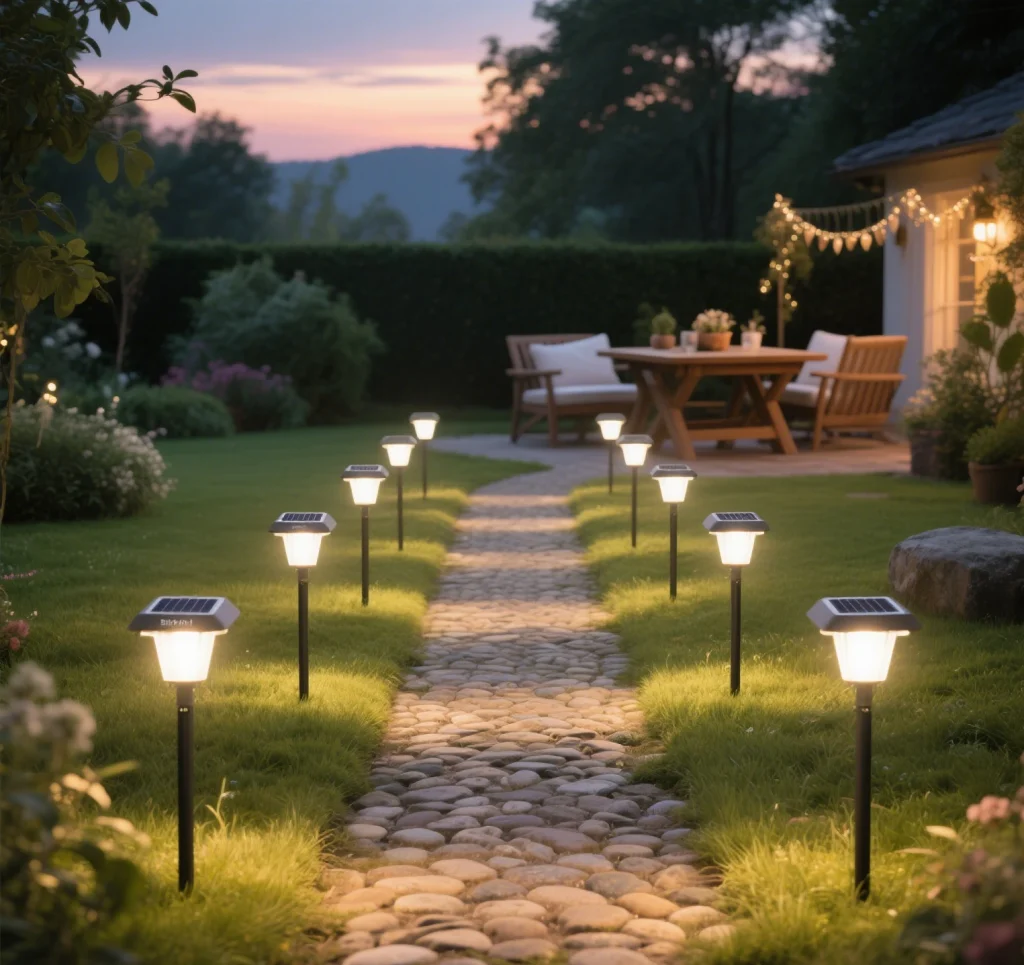
Why Solar-Powered Flood Lights?
Solar flood lights offer a sustainable alternative to traditional lighting, reducing electricity costs and environmental impact. Equipped with LED technology, they deliver high-lumen output for security lighting and aesthetic enhancement. Their off-grid functionality makes them ideal for remote areas, and features like motion sensors and dusk-to-dawn settings enhance their versatility. To understand their real-world performance, we’ve gathered insights from users across various platforms, including online reviews and community forums, to highlight their experiences with solar security lights.
Effectiveness: Brightness and Performance
Bright Illumination for Security
Users consistently praise solar flood lights for their ability to illuminate large areas. For example, a homeowner from California shared on a Reddit thread that their motion-activated solar flood light with 1000 lumens effectively lit up a 30-foot driveway, deterring potential intruders. “The motion sensor kicks in reliably from 15 feet away, and the light is bright enough to make my security cameras work better at night,” they noted. Many users report that models with 2000 lumens or more, like the Cyberdax 5000-lumen flood light, are ideal for large outdoor spaces such as parking lots or backyards, providing wide-angle illumination.
However, effectiveness depends on sunlight exposure. A user in Seattle mentioned that their solar LED flood light struggled during cloudy winter months, with reduced brightness after prolonged overcast days. They recommended choosing models with monocrystalline solar panels, which offer higher solar panel efficiency (15–21%) for better charging in low-light conditions.
Battery Life and Runtime
Battery life is a critical factor in the effectiveness of solar-powered flood lights. Users report that high-quality models, such as those with lithium-ion batteries, can last 8–12 hours on a full charge. A reviewer on Amazon highlighted the Otdair triple-head flood light, noting its 30-hour battery life when set to motion-detection mode, which conserves energy by activating only when needed. Conversely, some users with cheaper models complained of shorter runtimes (4–6 hours) in dusk-to-dawn mode, emphasizing the importance of checking battery capacity (measured in mAh) before purchasing.
Bitpott’s solar flood light was praised by a user for its long-lasting battery, which powered the light for 10 hours even after a cloudy day, thanks to its high-efficiency solar panel. This makes it a reliable choice for consistent outdoor lighting.
Durability: Standing Up to the Elements
Weather Resistance
Durability in outdoor conditions is a top concern for users, as solar flood lights are exposed to rain, snow, and extreme temperatures. Many users prioritize lights with an IP65 rating or higher, which ensures waterproof performance and resistance to dust. A tester from BobVila.com reported that the eLEDing solar flood light withstood snow and sleet without issues, maintaining functionality due to its IP65-rated casing. Similarly, a user in Florida shared that their IP67-rated LITOM flood light endured heavy rain and humidity, with no signs of corrosion after a year.
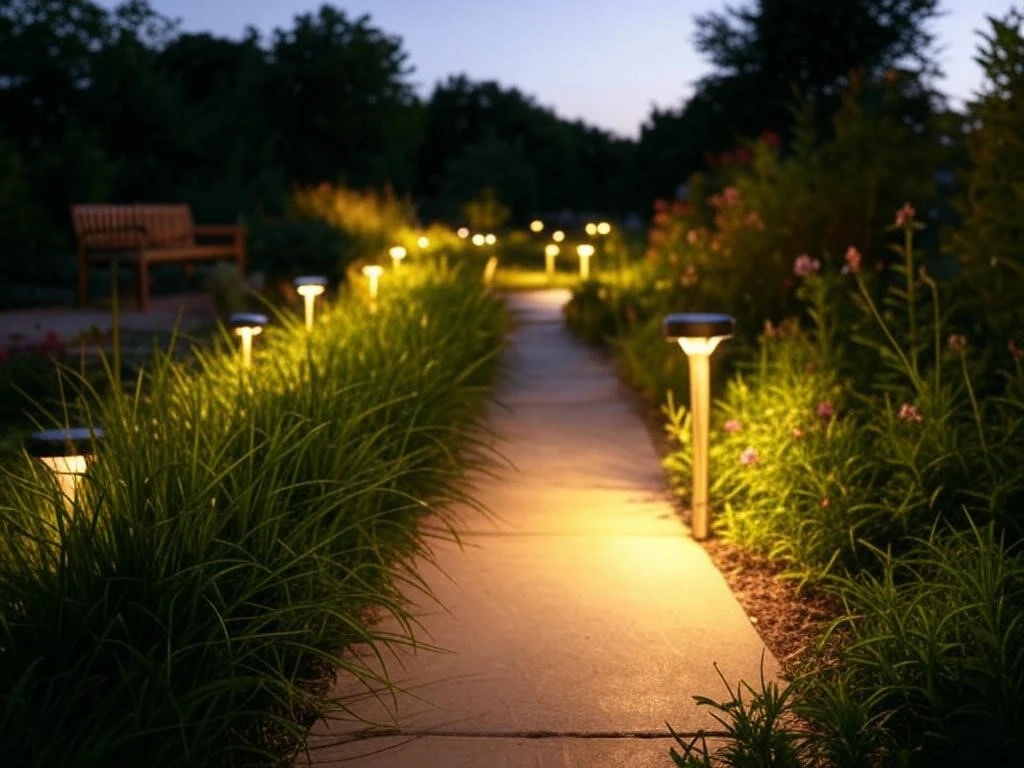
However, not all experiences are positive. Some users noted that cheaper solar flood lights with plastic casings failed after prolonged exposure to harsh weather, with water seeping into the housing. A reviewer on Amazon advised opting for aluminum casings for better weather resistance, as they provide superior protection compared to low-quality plastics.
Longevity and Maintenance
The lifespan of solar flood lights typically ranges from 10,000 to 50,000 hours, depending on build quality. Users report that high-end models, like those with monocrystalline panels and durable LED bulbs, last 2–5 years with minimal maintenance. A landscaper on Reddit shared that their solar security light lasted three years in harsh New England winters, provided they cleaned the solar panel monthly to remove snow and debris. Bitpott’s flood lights were noted for their robust construction, with one user reporting no performance issues after two years in a coastal environment.
Maintenance is straightforward but essential. Users recommend wiping down solar panels regularly to ensure optimal charging efficiency and checking battery health annually, as lithium-ion batteries may degrade over time.
Installation Tips from Users
Strategic Placement
Proper installation is key to maximizing the effectiveness of solar flood lights. Users emphasize placing solar panels in areas with maximum sunlight exposure, ideally south-facing and free from shadows. A DIY enthusiast on a landscaping forum advised, “Mount the panel high on a pole or wall to avoid tree cover, and angle it to catch direct sunlight.” For adjustable models, like the Otdair triple-head light, users suggest experimenting with light direction to cover specific areas, such as a sidewalk or garage entrance.
Mounting and Setup
Easy installation is a major draw of solar flood lights, as they require no wiring. Users report that most models, including Bitpott’s, come with mounting brackets and screws for quick setup on walls or poles. A reviewer on The Home Depot’s website shared that installing a solar LED flood light took under 20 minutes, with all tools included. However, some users faced challenges with cable length between the solar panel and light fixture. A commenter on Amazon recommended measuring the distance beforehand to ensure the cable reaches the desired location, or purchasing an extension if needed.
Testing and Calibration
To ensure proper functionality, users suggest testing the light during twilight by covering the solar panel to simulate darkness, which should activate the light. A user on a home improvement forum noted that calibrating the motion sensor sensitivity prevented false triggers from small animals. For dusk-to-dawn sensors, users advise verifying that the light turns off at dawn to conserve battery life.
User-Recommended Features
Motion Sensors and Modes
Motion-activated solar lights are a favorite for security purposes. Users appreciate models with adjustable settings, such as the LITOM 182 LED flood light, which offers three modes: dim steady, dim with bright motion detection, and off with bright motion detection. A homeowner reported that the wide-angle motion sensor (270 degrees) covered their entire backyard, enhancing home security.
Remote Control and Adjustability
Some users prefer solar flood lights with remote control features for convenience. The Cyberdax model, for instance, allows users to adjust brightness and set timers (3, 5, or 8 hours) remotely, which a reviewer found useful for customizing outdoor lighting for different occasions. Adjustable heads, as seen in the Otdair light, also received praise for allowing precise light direction.
Challenges and Limitations
While solar flood lights are generally well-received, users highlight some limitations. In areas with limited sunlight, such as northern climates, charging efficiency can be inconsistent, leading to dimmer output or shorter runtimes. A user in the UK noted that their light only lasted 6 hours during winter, recommending a high-capacity battery for such regions. Additionally, some budget models were criticized for inaccurate lumen ratings, with one user warning against trusting unverified claims from lesser-known brands.
Community Insights and Recommendations
The community-driven feedback underscores the value of solar-powered flood lights for sustainable lighting. Users recommend investing in reputable brands with high-quality components, such as monocrystalline panels and IP65-rated casings, to ensure long-term durability. For those on a budget, models like the Hampton Bay Solar Spotlight offer cost-effective illumination without sacrificing quality.
For installation tips, users suggest planning the layout carefully, prioritizing sunlight exposure, and testing settings before permanent mounting. Bitpott’s flood lights were mentioned for their user-friendly installation and reliable performance, making them a solid choice for both novice and experienced users.
Conclusion
Solar-powered flood lights are an effective, eco-friendly solution for outdoor security and area illumination, as evidenced by user experiences. Their high-lumen output, durable construction, and easy installation make them a practical choice for diverse settings. While challenges like weather-dependent charging exist, choosing models with efficient solar panels and robust batteries can mitigate these issues. By following user-shared installation tips and selecting lights with features like motion sensors and adjustable settings, you can enhance your outdoor space with reliable, energy-efficient lighting. Share your own experiences with solar flood lights in the comments to join the community discussion!
Leave a Reply