
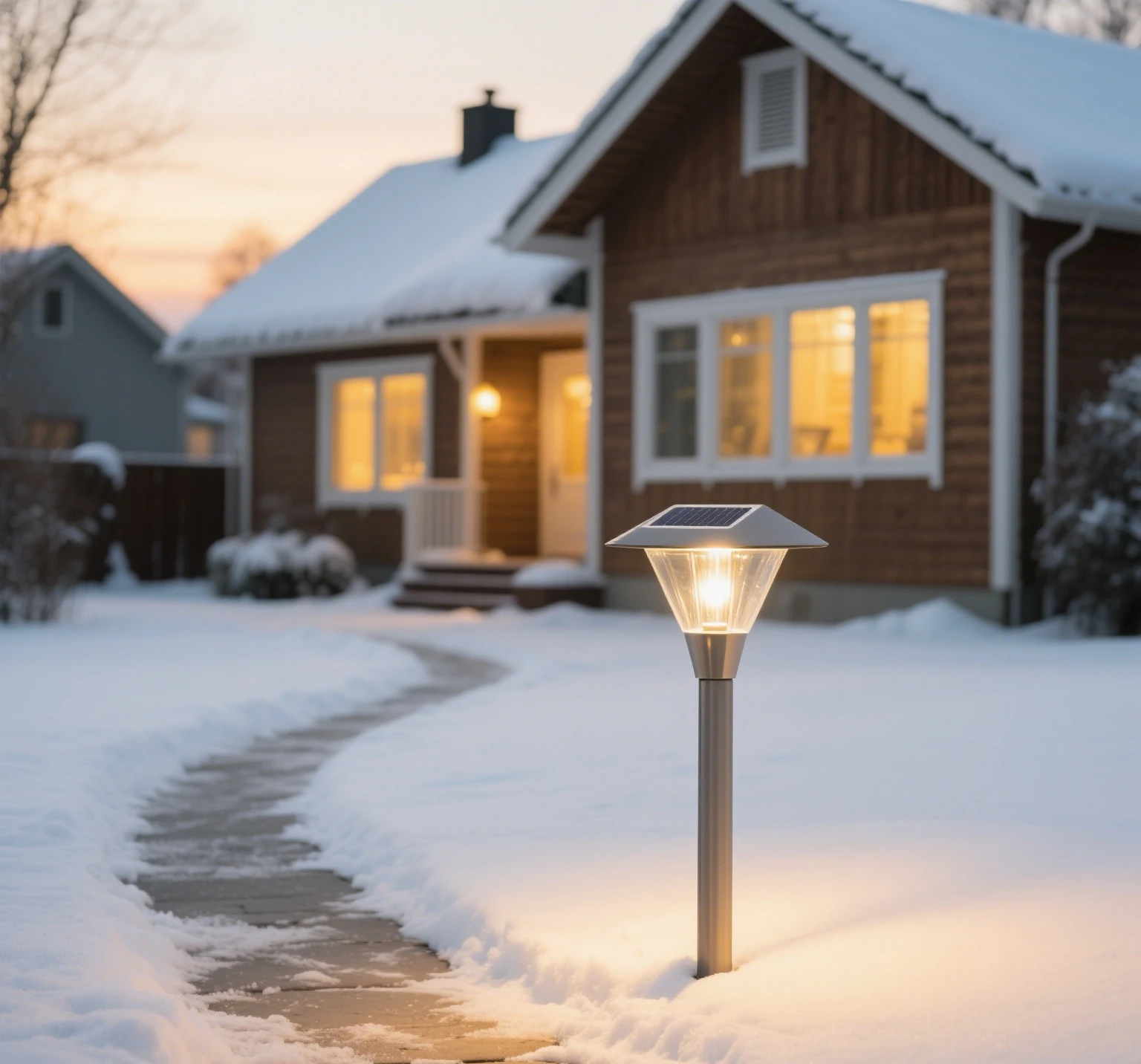
Solar lights are a sustainable choice for outdoor lighting, relying on sunlight to power their rechargeable batteries for solar lights. However, cloudy days, shaded areas, or indoor use can limit sunlight exposure, leaving your solar powered lights dim or inactive. Fortunately, there are alternative methods to charge solar lights without sunlight, such as using incandescent bulbs, LED lights, USB chargers, portable solar chargers, and battery-powered chargers. This article explores these five methods, detailing their efficiency, limitations, and practical tips to keep your outdoor solar lights glowing, even in low-light conditions.

Why Charge Solar Lights Without Sunlight?
Solar lights depend on solar panel efficiency to convert sunlight into energy for their batteries. In regions with long winters, frequent cloud cover, or heavily shaded yards, achieving optimal charging can be challenging. Alternative charging methods ensure your solar light battery charging remains consistent, extending the lifespan and functionality of your lights. Each method varies in charging efficiency for solar lights, cost, and compatibility, so understanding their strengths and limitations is key to choosing the right approach.
1. Using Incandescent Bulbs
How It Works: Incandescent bulbs emit light in a spectrum similar to sunlight, which some solar panels can convert into energy. Place your solar powered lights under a bright incandescent bulb (100W or higher) for several hours to charge the rechargeable batteries for solar lights.
Efficiency:
- Incandescent bulbs can provide 10–20% of the charging capacity of direct sunlight, depending on the bulb’s wattage and the panel’s sensitivity.
- Best for small outdoor solar lights with low-capacity batteries (e.g., 600–1000 mAh NiMH batteries).
Limitations:
- High energy consumption: Incandescent bulbs are less energy-efficient than sunlight, increasing electricity costs.
- Limited spectrum: Not all solar panels respond well to incandescent light, especially newer panels optimized for sunlight.
- Slow charging: Charging can take 8–12 hours for a full charge, compared to 6–8 hours in sunlight.
Practical Tips:
- Use a 100W–150W bulb and position the solar panel 6–12 inches away to maximize light exposure.
- Avoid prolonged use to minimize energy waste; consider this a temporary solution for solar light battery charging during extended cloudy periods.
2. Using LED Lights
How It Works: LED bulbs, particularly full-spectrum or daylight LEDs (5000K–6500K), mimic sunlight’s color temperature. Place the solar panel under a bright LED lamp to charge solar lights without sunlight.
Efficiency:
- LEDs offer 15–25% of sunlight’s charging capacity, slightly better than incandescent bulbs due to their targeted light spectrum.
- Effective for NiMH batteries for solar lights in low-power garden or pathway lights.
Limitations:
- Variable panel compatibility: Some solar panels are less responsive to LED light, especially if not designed for artificial light charging.
- Lower intensity: LEDs are energy-efficient but produce less intense light than sunlight, leading to slower charging efficiency for solar lights.
- Setup constraints: Requires a stable indoor setup, which may not be practical for larger outdoor solar lights.
Practical Tips:
- Choose a high-lumen LED (800–1000 lumens) with a daylight color temperature for best results.
- Charge for 10–14 hours to achieve a full charge, checking the light’s performance afterward.
- Use this method for emergency charging during prolonged bad weather.
3. Using a USB Charger
How It Works: Some modern solar powered lights feature USB ports for direct battery charging. Connect the light to a USB charger (5V, 1–2A) using a compatible cable to bypass the solar panel entirely.
Efficiency:
- USB charging offers near-100% efficiency, as it directly charges the rechargeable batteries for solar lights without relying on light conversion.
- A full charge typically takes 4–6 hours, faster than most light-based methods.
Limitations:
- Compatibility issues: Only newer models with USB ports (e.g., certain weather-resistant solar lights) support this method.
- Battery type matters: Ensure the charger matches the battery’s voltage (e.g., 3.7V for Li-ion batteries for solar lights or 1.2V for NiMH).
- Additional equipment: Requires a USB cable and power source, adding minor costs.
Practical Tips:
- Check your light’s manual for USB charging specifications to avoid overcharging.
- Use a charger with overcharge protection to extend solar light battery lifespan.
- Ideal for indoor solar light charging solutions or when relocating lights temporarily.
4. Using a Portable Solar Charger
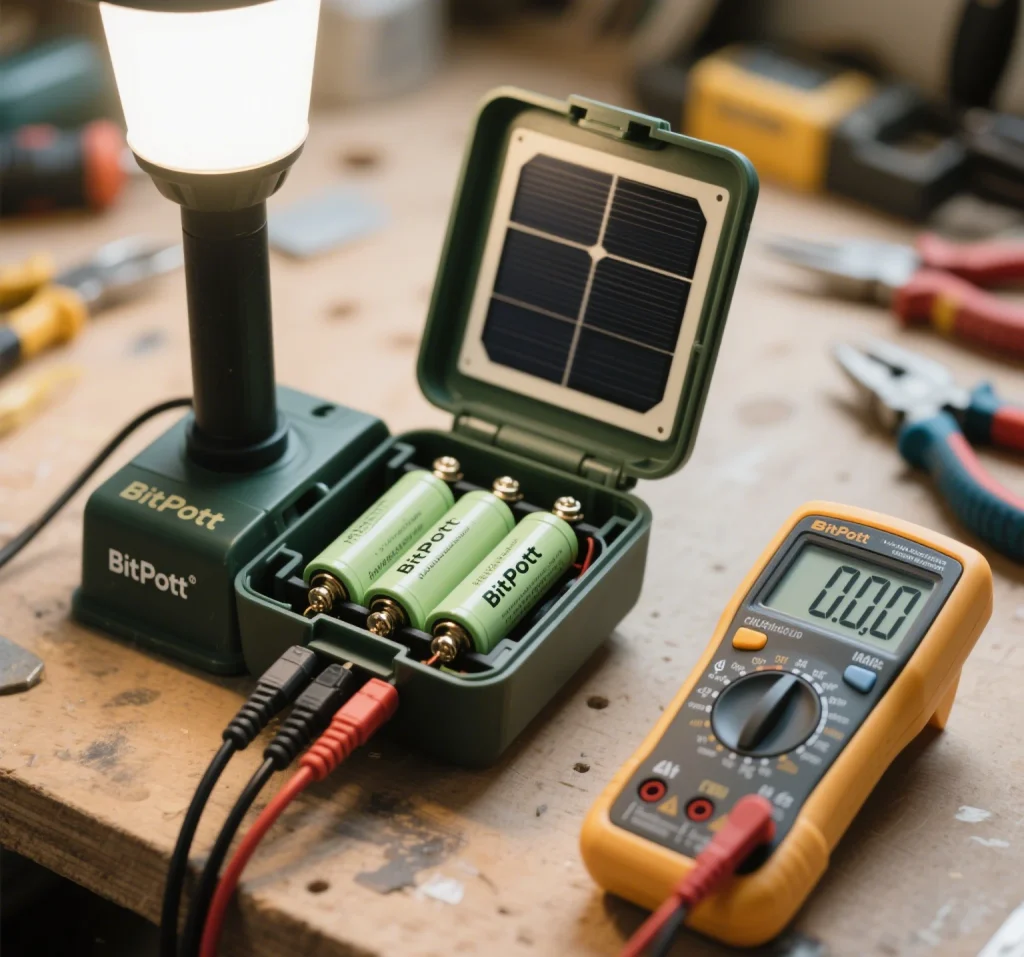
How It Works: Portable solar chargers, such as foldable solar panels or power banks with built-in solar cells, can charge solar lights without sunlight by providing a secondary solar energy source. Connect the charger to the light’s USB port or place the panel in a sunnier location.
Efficiency:
- Portable chargers can achieve 50–80% of direct sunlight’s charging efficiency for solar lights, depending on the charger’s wattage (10W–20W recommended).
- Effective for weather-resistant solar lights in shaded areas or during cloudy weather.
Limitations:
- Cost: Quality portable solar chargers cost $20–$50, a significant investment for occasional use.
- Setup complexity: Requires proper alignment and connection, which may be cumbersome for multiple lights.
- Weather dependency: Still relies on some sunlight, limiting use in completely overcast conditions.
Practical Tips:
- Choose a charger with a USB output compatible with your light’s battery (e.g., 5V for most NiMH batteries for solar lights).
- Position the charger in a sunnier spot than the light’s original location for better results.
- Store the charger indoors when not in use to protect its solar panel efficiency.
5. Using a Battery-Powered Charger
How It Works: A battery-powered charger designed for rechargeable batteries for solar lights (e.g., AA/AAA NiMH chargers) can charge batteries externally. Remove the battery from the solar light and charge it in the device.
Efficiency:
- Provides 90–100% charging efficiency, as it directly charges the battery without relying on the solar panel.
- Charges in 4–8 hours, depending on the charger and battery capacity (e.g., 2000 mAh).
Limitations:
- Manual process: Requires removing and reinstalling batteries, which can be time-consuming for multiple outdoor solar lights.
- Compatibility: Only works for lights with removable batteries, not sealed units.
- Additional cost: Chargers cost $10–$30, though they’re reusable for other devices.
Practical Tips:
- Use a smart charger with overcharge protection to prevent damage to NiMH batteries for solar lights or Li-ion batteries for solar lights.
- Label batteries to track their use and ensure timely solar light battery replacement.
- Ideal for users with multiple solar lights needing consistent charging.
Comparing the Methods
| Method | Efficiency | Cost | Best For | Limitations |
|---|---|---|---|---|
| Incandescent Bulbs | 10–20% | Low ($1–$5) | Small, low-capacity lights | High energy use, slow charging |
| LED Lights | 15–25% | Low ($5–$10) | Emergency charging, indoor setups | Limited panel compatibility |
| USB Charger | 90–100% | Low ($5–$15) | Modern USB-compatible lights | Requires USB port, specific cables |
| Portable Solar Charger | 50–80% | High ($20–$50) | Shaded areas, portable setups | Weather-dependent, costly |
| Battery-Powered Charger | 90–100% | Medium ($10–$30) | Lights with removable batteries | Manual process, not for sealed units |
Tips for Choosing the Best Charging Method
- Assess Your Light’s Design: Check if your solar powered lights have USB ports or removable batteries to determine compatible methods.
- Consider Frequency of Use: For occasional charging, low-cost methods like LED or incandescent bulbs suffice. For frequent needs, invest in a USB or battery-powered charger for better charging efficiency for solar lights.
- Match Battery Type: Ensure the charging method suits your battery (e.g., 1.2V NiMH or 3.7V Li-ion) to avoid damage and maximize solar light battery lifespan.
- Evaluate Cost vs. Convenience: Portable solar chargers are versatile but expensive, while USB chargers are cost-effective for modern lights.
- Prioritize Eco-Friendliness: Opt for energy-efficient methods like USB or battery-powered chargers to align with the sustainability of outdoor solar lights.
Maintenance Tips to Enhance Charging
To support solar light charging solutions and prevent reliance on alternative methods:
- Clean Panels Regularly: Wipe solar panels with a soft cloth and soapy water every 1–2 months to maintain solar panel efficiency.
- Position for Maximum Sunlight: Place lights in areas with 6–8 hours of direct sunlight when possible.
- Replace Batteries Timely: Swap out rechargeable batteries for solar lights every 2–3 years to maintain performance.
- Store Properly: During prolonged cloudy periods, store lights or batteries indoors to prevent deep discharge.
- Use Weather-Resistant Models: Choose weather-resistant solar lights to withstand rain or extreme temperatures, reducing charging issues.
Conclusion
Charging solar lights without sunlight is achievable with creative solutions like incandescent bulbs, LED lights, USB chargers, portable solar chargers, and battery-powered chargers. Each method offers unique benefits, from the high charging efficiency for solar lights of USB chargers to the portability of solar chargers. By understanding their efficiency and limitations, you can select the best approach for your outdoor solar lights. Combine these methods with regular solar light maintenance to ensure consistent performance, keeping your garden or patio illuminated sustainably, even without direct sunlight.
Leave a Reply